

The Great Oven Traffic Jam
A 'perfect' menu often features a dozen dishes that all need to be baked or roasted. The problem? Most homes have just one oven. A 20-pound turkey occupies that space for hours, leaving little room for the three casseroles, roasted vegetables, and dinner rolls that all theoretically need to be served piping hot. This leads to a frantic game of oven Tetris, where some dishes get cold waiting their turn, others are rushed, and nothing is cooked at its ideal temperature. A smarter approach is to utilize other appliances like slow cookers and stovetops, and to plan a menu with dishes that don't all compete for the 350-degree slot.
The Untested, Complex Recipe Gamble
Thanksgiving feels like the time to impress, and that often means trying a complicated new recipe—a deconstructed stuffing,
a ten-step gravy, or a pie with an impossibly intricate crust. But the high-stakes holiday is the worst possible time for culinary experiments. Unlike your trusted family favorites, a new recipe has no track record. You don't know its true prep time, its quirks, or how it will taste. When it fails, there's often no time for a backup plan, adding immense stress to an already busy day. Stick with what you know and love, and save the experimentation for a low-key weekend.
The 'All-Star Side Dish' Fallacy
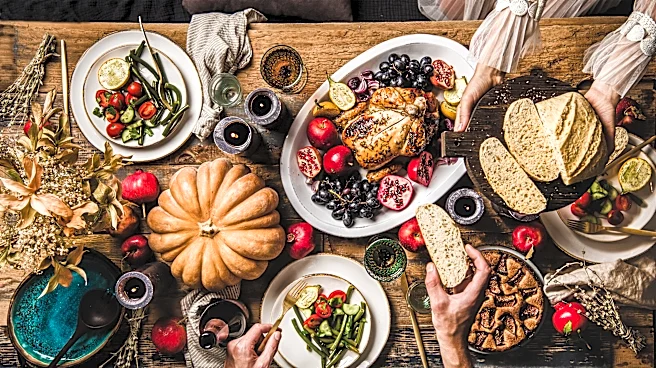
In the quest for perfection, it's easy to think every single side dish needs to be a showstopper. But a meal with ten complex, competing flavors can be overwhelming for the palate and exhausting for the cook. A truly great Thanksgiving plate has balance: a star (the turkey), a few supporting actors (flavorful stuffing, creamy mashed potatoes), and some simple, fresh counterpoints (like a simple green salad or steamed vegetables). Trying to make everything the main event means you spend the entire day juggling elaborate preparations instead of focusing on executing a few key dishes flawlessly—and actually talking to your guests.
Ignoring the Power of a Timeline
A picture-perfect menu looks great on paper, but it often falls apart in execution without a realistic timeline. Juggling multiple cooking and resting times is a massive mental load. The turkey needs to rest for at least 30 minutes, which is the perfect window to reheat sides or bake rolls. But without a plan, hosts often find themselves with a ready-to-carve turkey while the casseroles are still cold and the gravy isn't even started. Experts recommend working backward from the time you want to eat, creating a schedule for what goes in the oven and when. This simple step prevents the last-minute panic of realizing two critical dishes need the oven at the same time.
The Myth That Everything Must Be Served Piping Hot
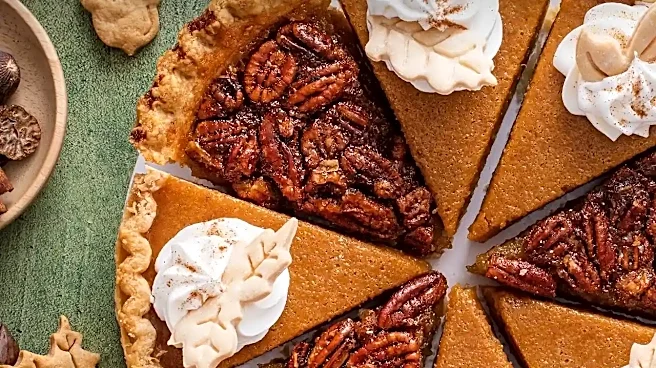
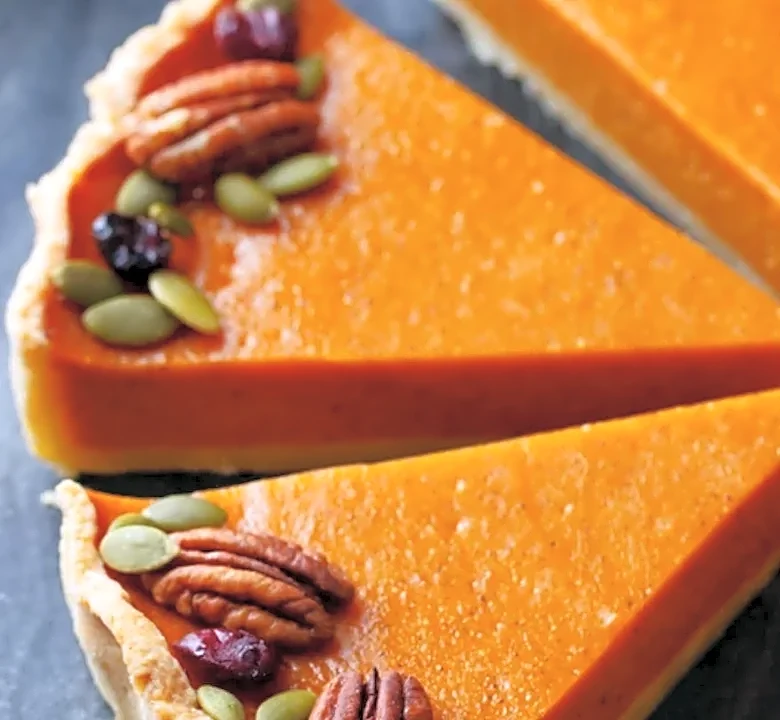
The belief that every single dish must land on the table at the peak of its heat is a primary source of Thanksgiving stress, but it's largely a myth. Many dishes, including sweet potato casserole, macaroni and cheese, and even stuffing, are just as delicious when served warm, not scorching. Pies and other desserts, in fact, often need hours to cool and set properly. By letting go of the 'piping hot' ideal, you give yourself breathing room. Use insulated carriers for dishes made ahead, or simply cover them with foil while the turkey rests. Your guests will be just as happy, and you’ll be far more relaxed.