




The Myth of the Secret Ingredient
Let’s be honest: the allure of a secret recipe is powerful. It makes the keeper of the recipe feel special, a gatekeeper to a unique piece of family identity. That dish—the one everyone begs for year after year—becomes a marker of their importance at the table. In a world where everything is a Google search away, holding onto something that feels singular and proprietary can be a source of pride. Some people guard these recipes because they believe it's a form of stewardship, protecting a piece of their heritage. Others do it out of a playful sense of drama, enjoying the 'sorry, family only' wink and nod. But often, this impulse is rooted in ego, a fear that if someone else can make the dish just as well, or even better, some of that personal
magic will fade. And sometimes, the big secret isn't a secret at all; it’s a well-known recipe from the back of a mayonnaise jar or a box of chocolate chips, elevated by the power of memory and love.
Recipes Are Stories, Not Formulas
Here's the truth: the 'secret ingredient' is never really about a pinch of nutmeg or a specific brand of canned pumpkin. It’s about the story. It's the memory of watching a grandparent make it, the love that goes into preparing it, and the tradition of sharing it. A recipe is a story passed down through actions, a tangible link to the people who came before us. By hoarding the instructions, you're cutting off the narrative. You're treating a living piece of your family's history like a corporate trade secret. Food is meant to connect people, not to create exclusivity. When someone asks for the recipe, they aren't just trying to steal your thunder; they're asking to be a part of that story. They want to honor the tradition and maybe, just maybe, feel that connection in their own kitchen on a cold Tuesday in February.
True Legacy Is Shared, Not Hoarded
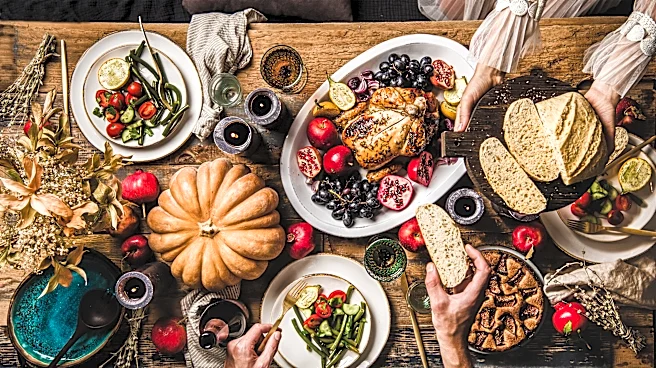
What happens when the keeper of the secret recipe is no longer there to make it? Too often, the tradition dies with them. The legendary dish becomes a ghost at the holiday table, a flavor no one can quite recall or reproduce. That’s not legacy; that's a loss. True legacy is ensuring the things we love survive beyond us. Sharing a recipe is an act of trust and abundance. It’s telling the next generation, 'This is a part of our story, and now it’s yours to carry forward'. It allows them to not only preserve the tradition but also to build upon it, adding their own chapter to the family cookbook. The greatest honor you can give a beloved family dish is to ensure it will be on the Thanksgiving table for generations to come, long after you've hung up your apron.
How to Share Without Losing the Magic
If you're worried about your signature dish losing its sparkle, reframe what makes it special. The magic isn't just in the ingredients; it's in your execution and the love you pour into it. Share the recipe, but also share the technique. Show your niece how you knead the dough 'by feel'. Tell your son the story of how his great-grandmother adapted the recipe during tough times. Invite people into the kitchen to cook with you, turning the act of sharing into a new tradition itself. This doesn't diminish your role; it elevates it. You become more than just the cook; you become the teacher, the historian, and the heart of the tradition. The recipe becomes a gift that keeps on giving, strengthening bonds every time it's made.