





The Case for a Cozy Corner
The appeal of a 'sweetheart table' is undeniable, especially for the hosts. After weeks of planning and a full day of cooking, the chance to sit down and share a quiet moment is a powerful lure. It’s an opportunity to actually connect and breathe amidst the joyful chaos. Proponents argue it provides a rare moment of intimacy and a chance to, well, eat. Pulled from the wedding world, the concept allows the hosts to be a focal point while also giving them a designated space to decompress. For couples hosting for the first time or those who simply feel overwhelmed by the non-stop interaction, this small table can feel like a necessary luxury, a way to reclaim a piece of the holiday for themselves. It ensures you spend at least part of the meal
together, rather than being pulled in opposite directions by guest conversations.
The Practical and Social Hurdles
Now for the reality check. The first problem is logistical: where does this extra table even go? In many homes, space is already at a premium, and finding room for another setup—no matter how small—can be a challenge. You need at least 36 inches of clearance around any table for guests to move comfortably. Then there’s the social dynamic. A separate table can inadvertently send the wrong message. While you might see it as a sanctuary, some guests might perceive it as standoffish or elitist. Etiquette experts often caution that hosts should aim to make guests feel included, and physically separating yourselves can create a divide. It might also put you on display, making you the center of attention whether you like it or not, with every guest's eyes on your private meal.
Etiquette and Guest Perceptions
The success of a table for two hinges almost entirely on perception. If your gathering is large and buffet-style, a small bistro table for the hosts might feel natural and chic. However, in a more formal, seated dinner, it can feel isolating. Guests may hesitate to approach, feeling like they are interrupting a private moment. This is the opposite of the intended effect for many hosts, who want to be accessible. Some etiquette guides suggest that if multiple tables are in use, the hosts should sit at separate tables to ensure no one feels like they're at the 'kids' table'. The key is to know your audience. If your family and friends are laid-back and understand your need for a home base, it might work. If they are more traditional, you risk hurt feelings.
How to Pull It Off Gracefully
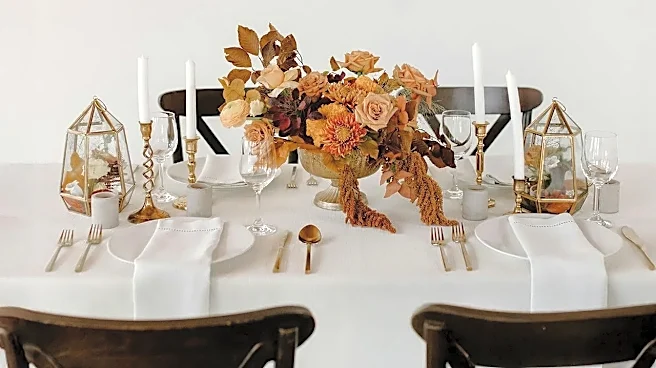
If you're sold on the idea, execution is everything. First, communicate. Frame it playfully when guests arrive: 'This is our command center for the day!' or 'We set up a little spot so we can actually catch our breath.' Second, consider placement. Don't tuck yourselves away in a far corner. Place your small table in a central location where you can still see and speak to everyone, making it clear you aren't trying to hide. Think of it less as a private dining room and more as a home base. You can make it a destination by using special decor, like unique glassware or a small floral arrangement, turning it into a beautiful focal point rather than an afterthought. Finally, don't stay there all night. Use the table for the main course, then get up, mingle, and circulate while everyone enjoys dessert and coffee. This shows you're still the gracious, engaged host, just one who needed a moment to eat their turkey while it was still hot.