





What 'Heritage' Actually Means
The term 'heritage' isn't just a vague nod to the past; it's a specific classification. According to The Livestock Conservancy, a nonprofit that tracks rare breeds, a turkey must meet three key criteria to be considered heritage. First, it must be able to mate naturally. Second, it must have a long, productive outdoor lifespan. Finally, it must have a slow growth rate, taking about 28 weeks to reach market weight. These standards apply to historic breeds like the Bourbon Red, Narragansett, and Standard Bronze, which were common before industrial agriculture. In stark contrast, the vast majority of turkeys sold today are Broad-Breasted Whites, a breed engineered since the 1960s for maximum breast meat and rapid growth. These birds grow so large,
so fast, that they often can't mate on their own and require artificial insemination.
A Different Life, A Higher Cost
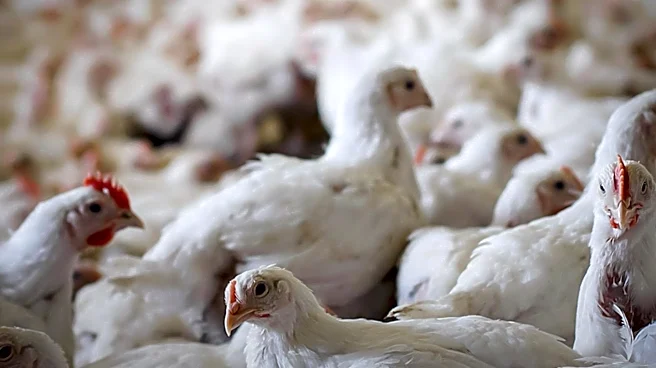
The price gap largely comes down to time and lifestyle. A conventional turkey is ready for processing in as little as 14 to 18 weeks, while a heritage bird takes nearly twice as long at around 28 weeks. That longer growth period means more feed, more labor, and more land. Unlike conventionally raised birds, which often live their entire lives indoors, heritage turkeys are suited for outdoor, pasture-raised systems. They spend their days foraging for insects and plants, which supplements their diet and allows them to move around freely. This active life prevents the health issues common in fast-growing commercial birds, like leg problems from supporting their own disproportionate weight. You're essentially paying for a more natural, slower, and more labor-intensive farming process that mirrors how turkeys lived for centuries.
The Payoff: Richer Flavor and Firmer Texture
This different life directly translates to what you experience at the dinner table. Because heritage turkeys move their muscles, they develop a firmer texture and a more even distribution of white and dark meat, closer to a 50/50 ratio. The conventional Broad-Breasted White, by comparison, has been bred for huge breasts, yielding a 70/30 ratio of white to dark meat. The slower growth and varied, foraged diet of a heritage bird contribute to a richer, more complex, and distinctly 'turkey' flavor that many people find is missing from a standard supermarket bird. The meat is often described as more moist and succulent, in part because the birds live long enough to develop a natural layer of fat under their skin. This does mean they cook a bit differently, often benefiting from a lower, slower roasting process to keep the leaner meat from drying out.
An Investment in Biodiversity
Beyond the flavor, buying a heritage turkey is a vote for agricultural biodiversity. After industrial farming began to favor the single Broad-Breasted White breed, many heritage varieties nearly went extinct. In 1997, a census found only around 1,300 breeding heritage turkeys left in the United States. By creating a market for these birds, consumers support the small farms that are keeping these genetic lines alive. This work ensures the resilience of our food system; heritage breeds possess traits like disease resistance and adaptability that have been bred out of their commercial counterparts. It might seem counterintuitive, but the principle 'eat them to save them' applies directly here: demand incentivizes farmers to continue raising these historic breeds, pulling them back from the brink of extinction.