




From 'Yours' and 'Mine' to 'Ours'
Before the first dish is passed, the most important step is a conversation. Merging holiday traditions, especially for a holiday as memory-laden as Thanksgiving, requires more than just making space on the buffet. It's about making emotional space. Talk with your partner and family members about which traditions matter most and, more importantly, why they matter. One family's chaotic football game might be about connection, while another's formal grace is about honoring heritage. Understanding the feeling behind the tradition is key to finding a way to preserve it. The goal isn't to declare a winner, but to create a new, shared experience where everyone feels seen and valued. This collaborative approach prevents one family's customs from unintentionally
overpowering the other's.
Designing Your Memory Table
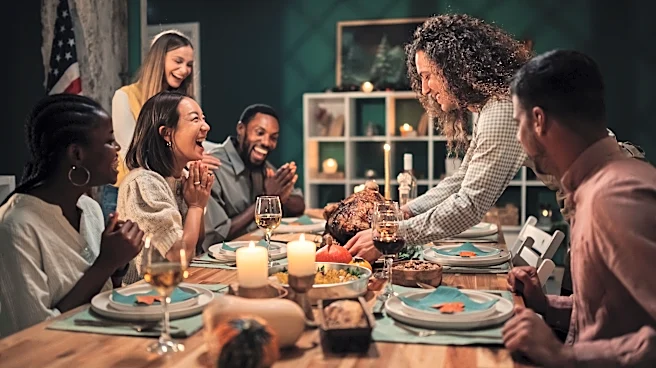
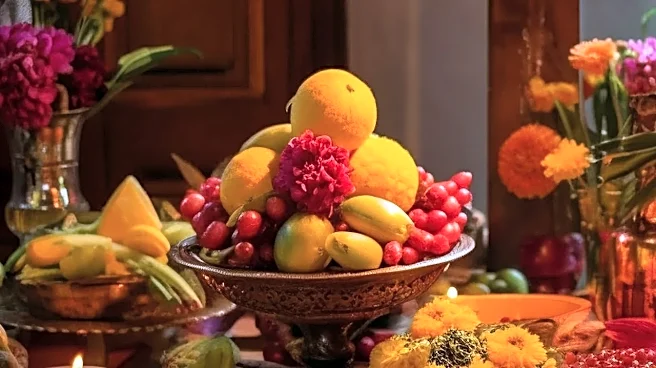
The 'memory table' is both a literal and metaphorical concept. It can be a physical space—a small side table or a section of the main one—dedicated to honoring multiple histories. This might include framed photos from past Thanksgivings, handwritten recipe cards from beloved grandparents, or small heirlooms that tell a story. But the memory table is also the dining table itself, thoughtfully curated to blend different culinary legacies. Let each household or family branch contribute dishes that reflect their traditions. This encourages a meal that's a mix of familiar favorites and new flavors. Maybe your grandmother's classic green bean casserole sits next to your partner's family's favorite tamales or chicken biryani. It’s a delicious, tangible representation of the family you are building together.
Weave, Don't Just Add
A successful blend feels intentional, not like a random potluck. The key is to weave traditions together. Instead of two separate desserts, could you create a new one that combines elements from both, like a pumpkin spice tres leches? If one family loves a formal toast and another prefers a casual 'what I'm thankful for' circle, perhaps you can do both: a formal toast to start the meal and a gratitude circle before dessert. The most successful blended traditions often follow a simple framework: keep a few distinct rituals from each side, blend the ones that overlap, and start one or two completely new ones that belong only to your new family unit. This approach ensures that no one feels like their past is being erased while you actively create a shared future.
Beyond the Food
Traditions extend far beyond the menu. They are the activities and rituals that create lasting memories. Consider creating a 'gratitude jar' where everyone writes down something they're thankful for, to be read aloud during dinner. Or maybe you can start a new activity that belongs to everyone, like a family walk after the meal, a board game tournament, or watching a specific movie together every year. These new rituals are crucial because they don't carry the weight of anyone's past; they belong entirely to the present. Involving children in choosing or creating these new traditions can be particularly powerful, giving them a sense of ownership and belonging in the evolving family structure. Research shows that the simple act of enacting a family ritual, regardless of what it is, significantly amplifies closeness and enjoyment.
Documenting Your New Story
As you create these new, blended traditions, find a way to capture them. You could start a Thanksgiving journal or a simple photo album. One creative idea is to have guests sign a plain white tablecloth with fabric markers, writing their name and something they're grateful for that year. Over time, the tablecloth becomes a cherished and evolving record of your family's journey. You might also compile the recipes served each year into a custom family cookbook. These acts of documentation solidify your new traditions, turning them from a one-time effort into a legacy that can be passed down, creating a sense of stability and identity for generations to come.