
The Tyranny of the 9x13 Pan
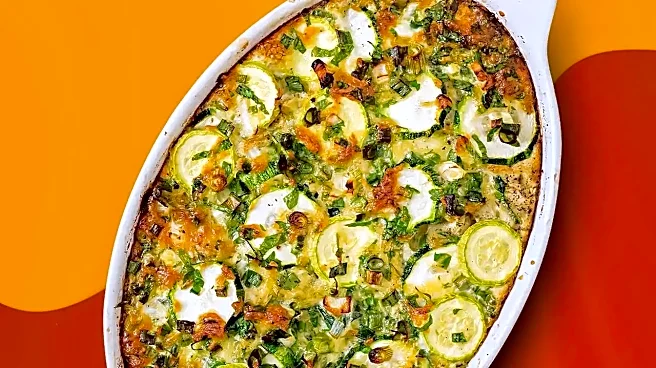
The humble casserole dish is the undisputed workhorse of the American holiday kitchen. It’s sturdy, dependable, and moves seamlessly from oven to table to refrigerator. But its ubiquity has created a kind of visual and culinary monotony on our most important food holiday. When every single side—from the creamy mashed potatoes to the crispy roasted brussels sprouts—is presented in an identical deep-sided vessel, the table becomes a flat, uninspired landscape. Our eyes eat first, and a buffet line of matching Pyrex dishes tells a boring story. The food you spent hours, or even days, preparing deserves a better stage than the one-size-fits-all solution we’ve collectively, and lazily, adopted.
You're Steaming Your Crispy Bits
The core function of a casserole dish is to cook evenly
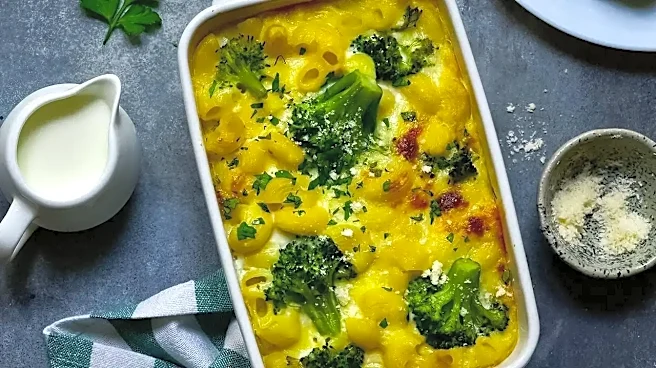
and, crucially, to retain heat and moisture. This is fantastic for, well, casseroles. Think mac and cheese or green bean casserole, where you want a gooey, melty interior. But this same feature becomes a fatal flaw for other dishes. Piling crispy, oven-roasted vegetables into a deep dish immediately traps steam, turning those beautifully browned edges soft and soggy. Roasted potatoes lose their crunch, and caramelized brussels sprouts become disappointingly limp. These dishes are meant to be spread out on a platter where air can circulate, preserving the very texture that makes them so delicious. By forcing everything into a casserole dish, you are actively undoing the hard work you did in the oven.
A Symphony of Shapes and Sizes
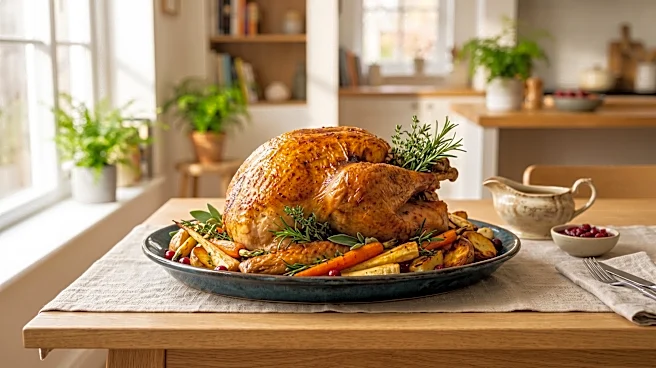
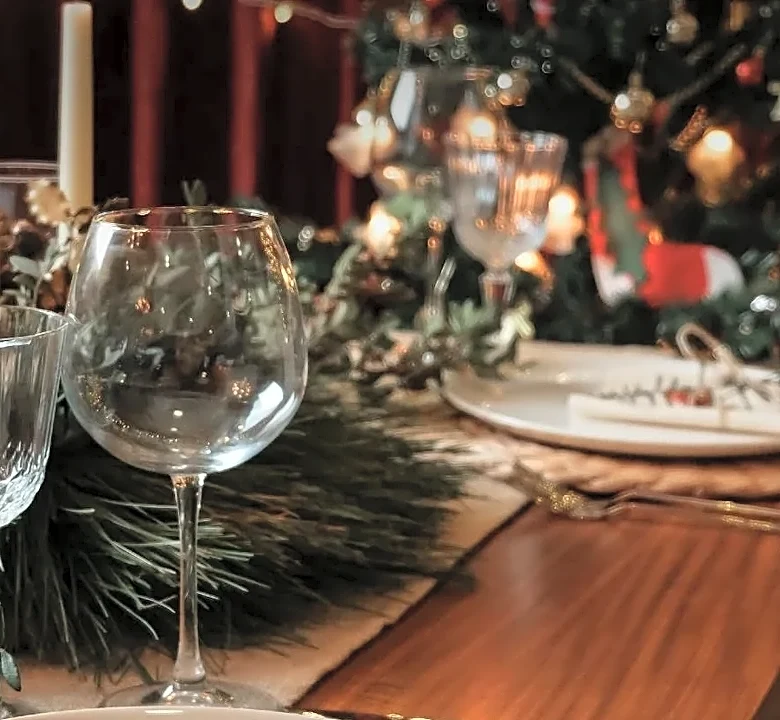
A well-set table uses a variety of heights, shapes, and materials to create visual interest. Think of your serving dishes as the supporting cast for your culinary stars. Creamy, fluffy mashed potatoes belong in a deep, welcoming bowl that shows off their texture. A vibrant, fresh salad with crunchy nuts and bright pomegranate seeds should be tossed in a wide, shallow bowl or arranged on a platter to showcase its colorful ingredients. Cornbread can be served directly from the cast-iron skillet it was baked in, adding a rustic, comforting touch. Using a mix of platters, bowls, footed stands, and even wooden boards creates a dynamic, abundant-looking spread that invites guests in and makes the food look more appetizing. It signals care and intention.
The Right Tool for the Right Job
Let’s get specific. That sweet potato casserole with the marshmallow or pecan topping? It belongs in a casserole dish. It’s a casserole! But your tender-crisp green beans almondine should be glistening on a simple white platter. Your sausage and cornbread stuffing can be mounded high in a ceramic bowl, preserving its crispy top while showing off the tender interior. Cranberry sauce, whether you prefer it smooth or whole-berry, looks jewel-like and special in a small, decorative glass bowl. By matching the dish to the food, you not only improve its texture and temperature but also give each side its own moment to shine. You're cueing your guests about what to expect from each bite.
It’s Easier and Cheaper Than You Think
This isn’t a call to go out and buy a dozen new, expensive serving pieces. It’s an invitation to shop your own cabinets. Most of us already own a mix of servingware. We have that big platter we never use, the large salad bowl from our wedding registry, or a simple wooden cutting board that can be used for bread or even sliced turkey. The goal isn't to have a perfectly matched set of designer dishes; it's to have a thoughtfully curated collection of different shapes and sizes. Mixing materials—ceramic, glass, wood, metal—adds even more texture and interest. It’s about being intentional, not extravagant. Resist the autopilot mode of reaching for the same three casserole dishes and start thinking like a food stylist. Your Thanksgiving table, and your guests, will thank you.