
An Invented Tradition
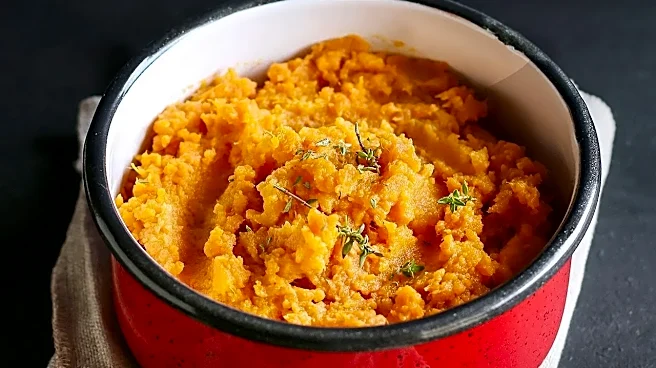
For the legions of defenders who claim the dish is a time-honored tradition passed down from the Pilgrims, the historical record offers a surprise. Sweet potatoes, which originated in Central and South America, were a staple in the American South for centuries. But the idea of topping them with marshmallows is a shockingly modern invention. The combination wasn't born in a rustic farmhouse kitchen but in a corporate marketing department. In 1917, the Angelus Marshmallow company, looking for ways to get Americans to eat more of their mass-produced confections, hired Janet McKenzie Hill, the founder of the Boston Cooking School Magazine, to create a recipe booklet. That pamphlet included the first documented recipe for mashed sweet potatoes baked
with a marshmallow topping, a marketing move designed to sell candy.
A Stroke of Marketing Genius
Before this 1917 campaign, Americans were already sweetening their sweet potatoes, often with sugar, butter, or in candied preparations dating back to at least the late 18th century. But marshmallows, which had only recently become inexpensive and widely available thanks to new mass-production techniques, were seen as a novelty. The Angelus company, which also gave the world Cracker Jacks, successfully positioned marshmallows not just as a treat but as an everyday ingredient. The recipe for sweet potato casserole was promoted in magazines and subsequent cookbooks, and it worked brilliantly. Within a few decades, the corporate invention had become so ingrained in the American consciousness that it was reprinted as a classic, its commercial origins all but forgotten.
The Case for Comfort
For those in the 'pro-marshmallow' camp, the dish's corporate history is irrelevant. Its value isn't in its historical authenticity but in its nostalgic power. For many, sweet potato casserole is the taste of childhood Thanksgivings, a symbol of family gatherings and holiday indulgence. It’s a comforting, unapologetically sweet dish on a day dedicated to feasting. The argument here is simple: Thanksgiving dinner isn't about culinary purity; it's about comfort, tradition (even invented ones), and the joy of eating foods you might only have once a year. The gooey, caramelized marshmallows provide a textural contrast to the soft sweet potatoes, creating a side dish that's as much about feeling as it is about flavor.
The Case Against the Sugar Bomb
On the other side of the table, critics argue the dish is a culinary crime. They contend that piling sugary marshmallows on top of already sweet potatoes is redundant and cloying. It pushes the dish firmly into dessert territory, creating a sugar bomb that clashes with the savory flavors of turkey, gravy, and stuffing. This camp argues for letting the sweet potato's natural, earthy flavor shine, perhaps enhanced with a savory pecan-and-brown-sugar streusel, butter, or herbs instead of a candy topping. For these purists, the marshmallow-topped casserole is a relic of an era of processed convenience foods that masks the flavor of the vegetable it’s supposed to celebrate.