

It’s the classic Thanksgiving dance: a guest arrives, sees you frantically juggling pans, and asks, 'What can I do to help?' And you, reflexively, say, 'Nothing, thanks, I’ve got it!' But turning down help isn't just a missed opportunity.
Reframe the Offer: It's a Gift to Them, Too
When a guest offers to help, they're often not just being polite; they're looking for a way to connect and feel like part of the celebration rather than just a spectator. Accepting their offer is a gift you give them—a sense of belonging and purpose. By turning them down, you can inadvertently make them feel awkward or like they're in the way. The goal of hosting is to make people feel comfortable and welcome. Giving them a small, manageable task is one of the quickest ways to do that. It transforms their role
from a passive observer to an active participant, making the day more meaningful for everyone involved. It’s not just about lightening your load; it’s about sharing the experience.
The Pre-Delegation Strategy
The key to successfully using help is to plan for it. Before the first doorbell rings, create a mental or even written list of 'guest-ready' jobs. These should be tasks that are genuinely helpful but low-risk—things that won't derail the entire meal if done imperfectly. Etiquette experts suggest keeping requests bounded and specific. Instead of a vague 'Can you help with the sides?' try asking, 'Could you please put the bread rolls in this basket?' This clarity removes the guesswork for your guest and makes it easy for them to say yes and succeed. Think about tasks that don't require intimate knowledge of your kitchen, like setting up a drink station, putting on some music, or taking guests' coats.
A Job Menu for Eager Guests
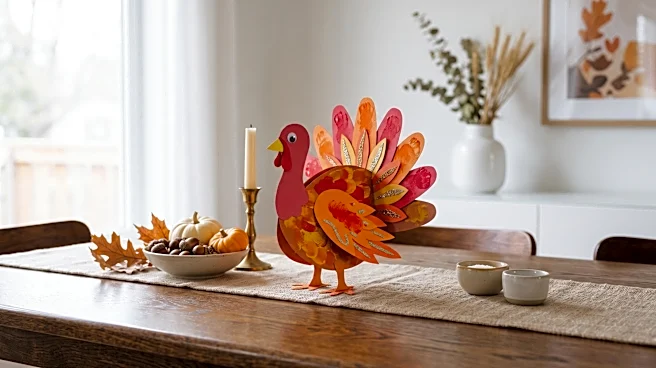
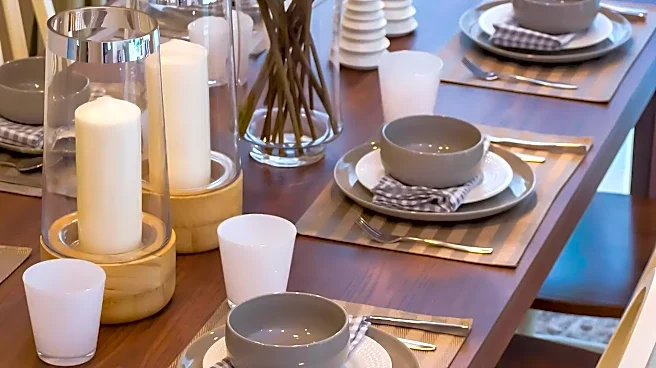
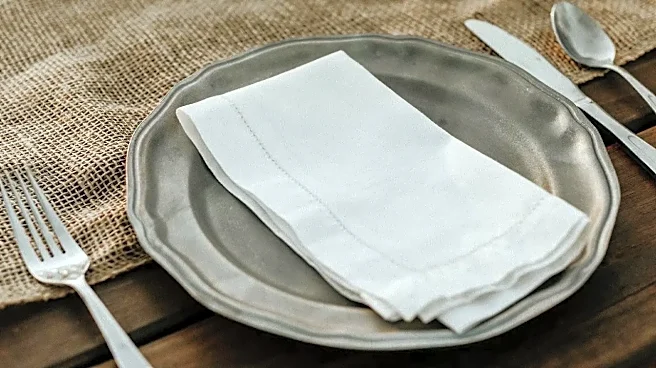
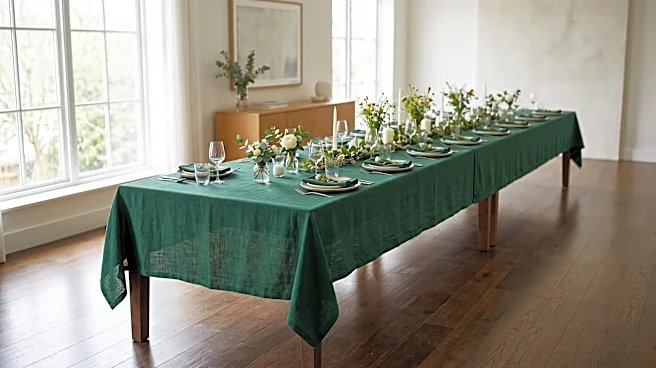
Not all tasks are created equal. Keep your high-stakes culinary masterpieces for yourself, but have a menu of easy jobs ready for willing helpers. These can include: The Greeter: Assign your most gregarious guest to answer the door, take coats, and offer arriving guests a drink. The Table Setter: This is a classic for a reason. Hand someone the silverware, napkins, and place cards and let them take ownership of the dining room. The Bar Manager: Put someone in charge of refilling water glasses, opening wine, or keeping the ice bucket full. A self-serve drink station also works wonders. The Kid Wrangler: If children are present, ask a guest to lead a simple craft like making turkey decorations out of pinecones or drawing what they're thankful for. * The Simple Food Prep: Not every kitchen task is complex. Mashing potatoes, washing vegetables, tossing a salad, or arranging a cheese platter are perfect for delegating.
The Art of the Graceful Hand-Off
Your delivery matters. You're not a drill sergeant; you're a grateful host. When someone offers help, stop what you're doing for a moment, make eye contact, and accept warmly. Instead of 'Finally, someone to help!', try something like, 'Thank you so much, that would be a huge help. Could you possibly tackle the salad?' Match the task to the guest's perceived abilities and enthusiasm. If your brother-in-law is a klutz, don't put him on gravy duty. If your cousin loves decorating, ask her to arrange the centerpiece or set out place cards. Remember, if they offer, don't insist if they seem hesitant, but a specific, polite request is usually welcomed.
When 'Help' Isn't Actually Helpful
Sometimes a guest’s offer to help is more of a desire to chat in the busy kitchen, which can be more distracting than useful. If this happens, redirect them with a specific, out-of-the-way task. 'You know what would be amazing? Could you go make sure everyone in the living room has a drink?' is a great way to move them from the chaotic hub of the kitchen. Another strategy is to give them a social job, like introducing two people who haven't met or making sure the background music is at a good level. This still makes them feel useful while preserving your sanity and your cooking timeline.