


Thanksgiving recipes can feel like a foreign language. Don't let confusing terms like 'truss' or 'roux' intimidate you. Mastering these seven simple techniques is the key to a flawless, stress-free holiday feast and culinary confidence.
1. Baste
To 'baste' means to periodically spoon, brush, or pour liquids over meat while it cooks. For Thanksgiving, this usually involves using the turkey's own pan drippings, melted butter, or broth. The primary goal is to keep the surface of the meat moist, which helps it brown beautifully and develop a crisp skin. While some argue its effect on internal juiciness is minimal, basting adds flavor to the skin and creates a glorious, golden-brown finish perfect for the centerpiece of your table. The pan drippings you use
for basting are also concentrated with flavor, making them an excellent base for your gravy later on.
2. Roux
A 'roux' is the secret to thick, smooth, and luscious gravy. It’s a simple paste made from equal parts fat and flour, cooked together before liquid is added. For your Thanksgiving gravy, the fat is typically butter or, even better, the flavorful drippings from your roasting pan. You melt the fat, whisk in the flour, and cook it for a few minutes. This cooking step is crucial; it removes the raw flour taste and develops a nutty aroma. Then, you slowly whisk in your hot broth. Because the starch is already coated in fat, it dissolves evenly, preventing the lumps that can ruin a gravy.
3. Truss
When a recipe tells you to 'truss' a turkey, it means to tie it up with kitchen twine so the legs and wings are held snugly against the body. This might seem like an unnecessary, fussy step, but it serves a real purpose. By creating a more compact and uniform shape, trussing helps the turkey cook more evenly. Without it, the wings and legs can cook faster than the dense breast meat, leading to dry white meat and undercooked dark meat. A trussed bird not only cooks better but also looks more attractive and 'carve-able' on the platter. Some cooks even argue that not trussing allows too much hot air into the cavity, drying out the breast.
4. Blanch
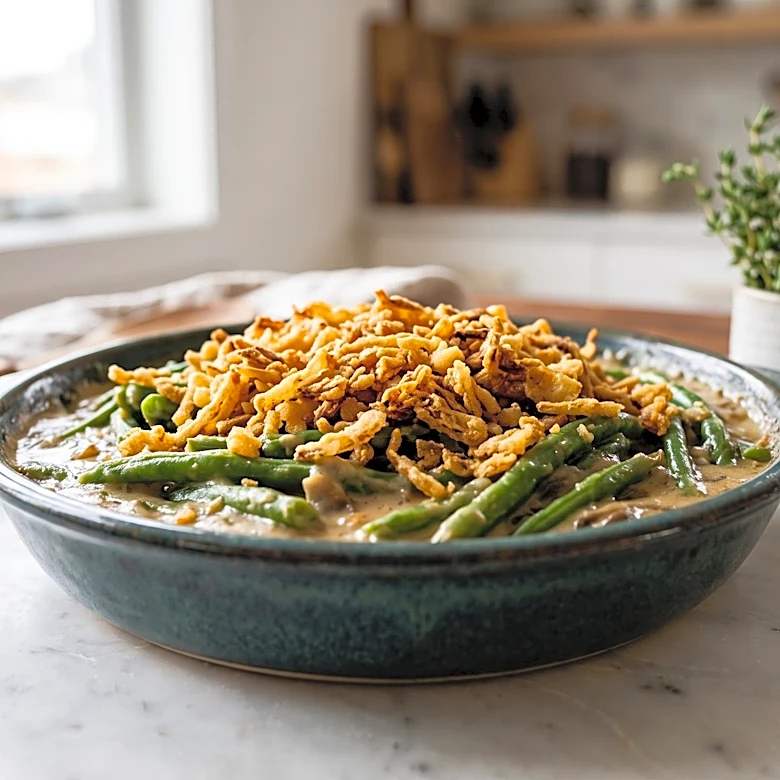
Blanching is a two-step process where you briefly boil vegetables and then plunge them into an ice water bath to stop the cooking process. It’s a fantastic technique for Thanksgiving side dishes like green beans or asparagus. The quick boil partially cooks the vegetables, seasons them (if you salt the water), and locks in their vibrant color. The ice bath, called 'shocking', ensures they don't become mushy and overcooked. This method is a huge time-saver on Thanksgiving Day; you can blanch your green beans in the morning, and then all you need to do before serving is give them a quick sauté in a hot pan with some butter or shallots.
5. Macerate
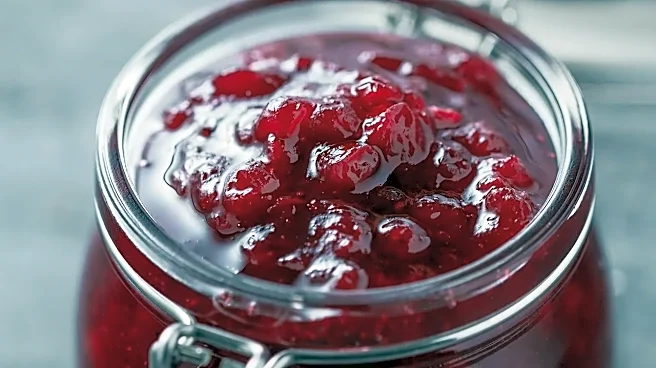
To 'macerate' is to soften and break down fruit by sprinkling it with sugar and letting it sit. The sugar draws out the fruit's natural juices through osmosis, creating a delicious, syrupy sauce. This technique is a game-changer for your cranberry sauce or a simple fruit dessert. Instead of just a bowl of chopped cranberries, macerating them with sugar (and maybe a splash of orange liqueur or zest) turns them into a soft, flavorful relish with its own rich syrup. The same process works beautifully for strawberries or peaches you might serve over pound cake or ice cream for dessert.
6. Fold
Folding is a gentle mixing technique used to combine a light, airy ingredient (like whipped cream or beaten egg whites) into a heavier base without deflating it. If you’re making a pumpkin chiffon pie, a chocolate mousse, or a soufflé for dessert, you'll likely encounter this term. Instead of stirring, which would knock all the air out, you use a spatula to cut down through the middle of the mixture, scrape along the bottom, and 'fold' the bottom layer up over the top. You repeat this motion while rotating the bowl until just combined. Mastering this preserves the light, fluffy texture that makes these desserts so special.
7. Emulsify
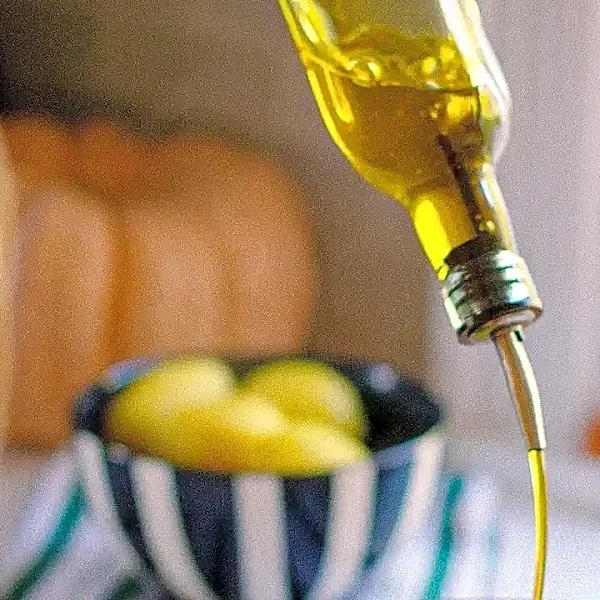
To 'emulsify' means to force two liquids that don't normally mix, like oil and vinegar, into a stable, uniform suspension. This is the key to any great homemade salad dressing for your starter salad. When making a vinaigrette, vigorously whisking or blending the vinegar while slowly drizzling in the oil breaks the oil into microscopic droplets, allowing them to disperse evenly. Many recipes call for an 'emulsifier' like Dijon mustard or honey. These ingredients help the oil and vinegar stay together longer, resulting in a creamy, cohesive dressing that clings to your greens instead of separating into a slick of oil on top.