





The Messy Reality of a Bubbly Pie
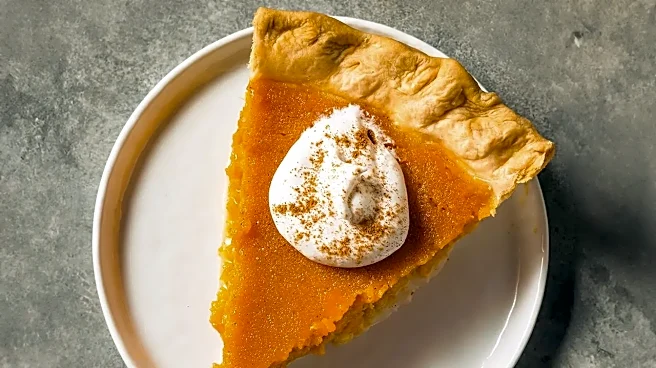
Fruit and pecan pies are notoriously messy bakers. As their sugary fillings heat up, they expand and bubble, often seeping over the edge of the crust. When that molten sugar hits the hot surface of your oven, it carbonizes almost instantly, creating a blackened, rock-hard mess that can smoke up your kitchen and is incredibly difficult to clean. A little overflow is a sign of a generously filled pie, not a baking failure. But without a barrier, that delicious overflow becomes a major cleanup project. This simple hack turns a potential crisis into a non-issue, saving you from scrubbing your oven on a day that should be about relaxing.
How to Do It Right
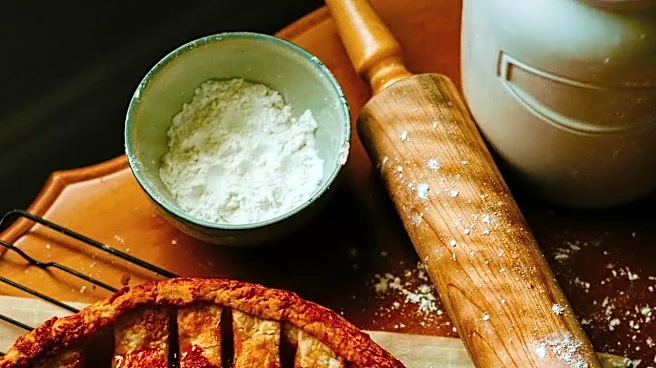
The method is as simple as it sounds: place your pie on a rimmed baking sheet before putting it in the oven. The rim is crucial;
a flat cookie sheet won't contain a significant spill. For even easier cleanup, you can line the sheet pan with aluminum foil or parchment paper. Once the pie is done, any drips will be on the liner, which you can simply throw away. This trick also has a secondary benefit: it makes maneuvering the hot pie dish in and out of the oven much easier and safer. Instead of trying to grab the edges of a hot pie plate with a bulky oven mitt, you can securely hold the sides of the larger, more stable sheet pan.
Will It Give You a Soggy Bottom?
This is the most common concern with placing a pan under your pie: will it block the heat and leave you with a pale, undercooked bottom crust? It's a valid question, as the pan does create a barrier from the oven's bottom heating element. However, there are easy ways to mitigate this. First, make sure your oven is fully preheated. For fruit pies with very wet fillings, you can even preheat the sheet pan, which gives the bottom crust a head start on baking and helps it set before the filling can make it soggy. Be careful with this technique if using a glass pie dish, as the extreme temperature change can cause it to crack. Alternatively, you can place the pie on a middle rack and the empty, lined sheet pan on a rack directly below it. This allows for direct heat circulation to the pie while still catching any drips.
Other Forms of Thanksgiving Kitchen Insurance
The sheet pan philosophy extends beyond pies. Any dish prone to bubbling over, like a cheesy casserole or a juicy roast, can benefit from being baked on a sheet pan to catch spills. Another key tip is to manage your pie filling. Don't overfill the crust; leave about a half-inch of space at the top to allow for expansion. Using a thickener like cornstarch or tapioca flour can also help the filling set and reduce runniness. Finally, if your pie crust edges are browning too quickly, you can create a 'pie shield' out of aluminum foil to cover them. This protects the delicate edges while allowing the center of the pie to finish baking perfectly.