




Dinner as High-Stakes Theater
In the late 19th century, for America’s ultra-wealthy, a dinner party was not merely a meal; it was a spectacle. This era of rapid industrial growth created a new class of millionaires eager to cement their status, and dining became their primary stage. Hosts orchestrated lavish, multi-course events that could last for hours, complete with intricate etiquette, footmen, and floral arrangements that signaled access to private hot-houses. Arriving even a few minutes late was a serious social breach, and the entire evening, from the seating chart to the conversation, was rigidly choreographed to display refinement and social standing. In this environment, clothing was a critical part of the performance. A woman’s dress wasn’t just an outfit; it was a declaration
of her family’s wealth, taste, and position in a fiercely competitive social hierarchy.
The Anatomy of a Dinner Dress
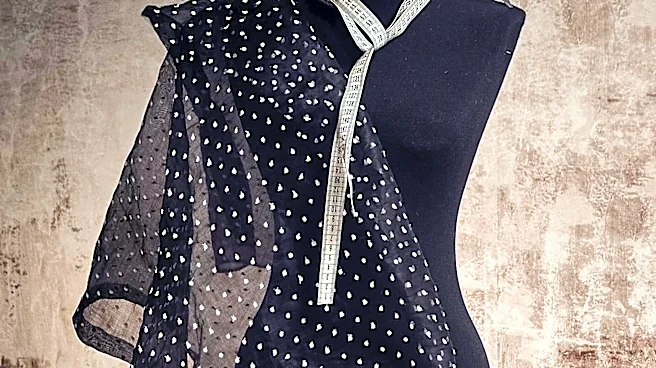
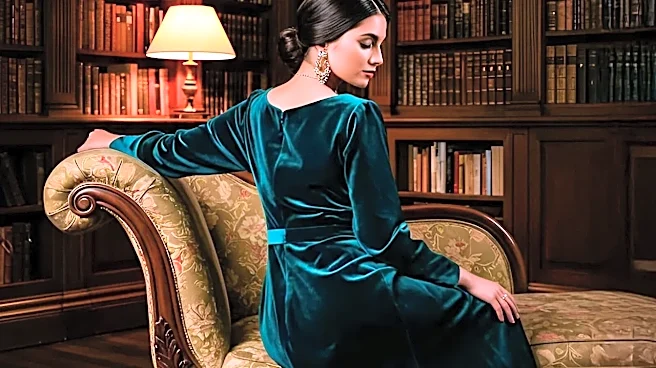
So, what did one wear to such an event? The Gilded Age dinner dress was a masterpiece of construction and opulence, designed by couturiers like Charles Frederick Worth, often considered the father of haute couture. These gowns were crafted from heavy, luxurious fabrics like silk satin, velvet, and brocade, which would gleam under the new gaslights. The silhouette of the 1880s was defined by the bustle, a structure that created a dramatic shelf-like protrusion at the back, paired with a tightly corseted waist to achieve the desired hourglass shape. While ball gowns for dancing might feature low necklines and short sleeves, dinner dresses were often more modest, with higher necks and long sleeves, though still exquisitely decorated. They were covered in elaborate beadwork, lace, ribbons, and intricate embroidery, turning the wearer into a walking work of art. One dress owned by Frances Tracy Morgan, wife of banker J.P. Morgan, featured a rich pattern of autumn oak leaves, making it a perfect, if impossibly formal, choice for a fall dinner.
Thanksgiving Joins the Social Calendar
Thanksgiving, declared a national holiday by Abraham Lincoln in 1863, was still a relatively new tradition during the Gilded Age. For the elite, it was quickly absorbed into the existing social calendar as another occasion for lavish display. While middle-class families might have gathered at home, the wealthiest Americans often celebrated Thanksgiving at exclusive hotels and restaurants like Delmonico's or the Waldorf Astoria in New York. These venues offered extravagant, multi-course menus that went far beyond turkey and stuffing, featuring items like turtle soup and oysters. Attending such a public feast was an opportunity to see and be seen, and guests dressed accordingly in their finest semi-formal attire. The holiday of gratitude became intertwined with the era's obsession with abundance and social peacocking.
From Corsets to Comfort
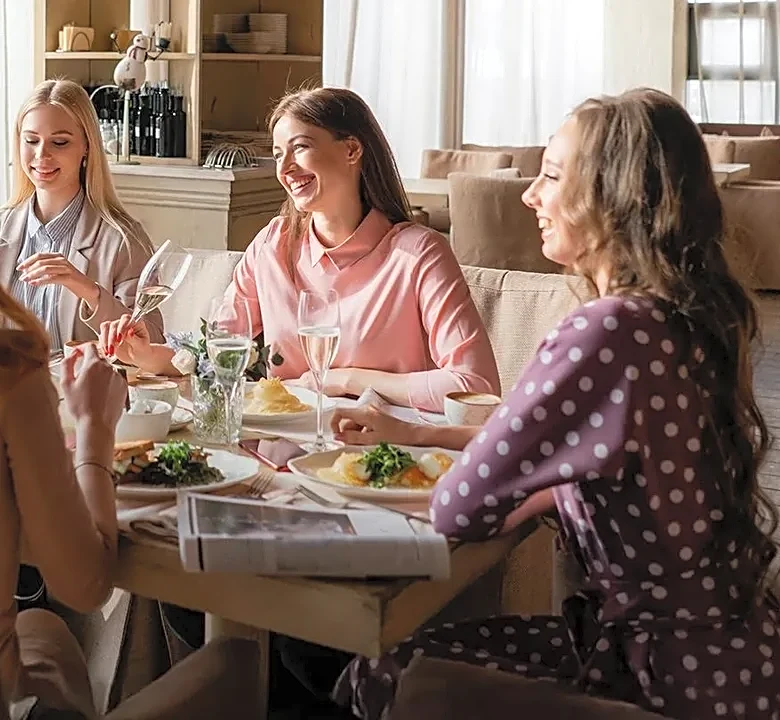
Today, the idea of wearing a steel-boned corset and a heavy, bustled gown to Thanksgiving dinner seems almost comical. The modern holiday wardrobe is defined by a desire for comfort and practicality. We speak of 'Thanksgiving pants' with elastic waistbands and favor cozy sweaters in autumnal hues like orange, brown, and burgundy. While some families still dress up in their 'Sunday best', the prevailing style is casual and relaxed. This shift reflects a profound change in our social values. Where the Gilded Age emphasized rigid social hierarchy and external validation, modern gatherings prioritize personal comfort, family connection, and individual expression. The focus has moved from performing status for others to enjoying the experience for oneself.
The Echoes of Dressing Up
While we've thankfully shed the restrictive garments of the 19th century, the core idea that a holiday meal is a special occasion worthy of a special outfit endures. We may not be signaling our family's fortune with French silk and hand-sewn jet beads, but we are still communicating. A festive sweater communicates holiday spirit. Choosing a dress over jeans might signal respect for the host or the importance of the family gathering. The Gilded Age dinner dress was an extreme, but it reminds us that clothing has always been a language. It tells a story about our place in the world, our relationship to those around us, and what we value. The difference is that today, for most of us, we get to write that story ourselves.