



The nostalgic image of a perfect, entirely homemade Thanksgiving is a cultural fixture. But the pressure to deliver that ideal is causing holiday burnout, and it's time to admit that the smartest host is the one who embraces the shortcut.
The Myth of the 'Perfect' Thanksgiving
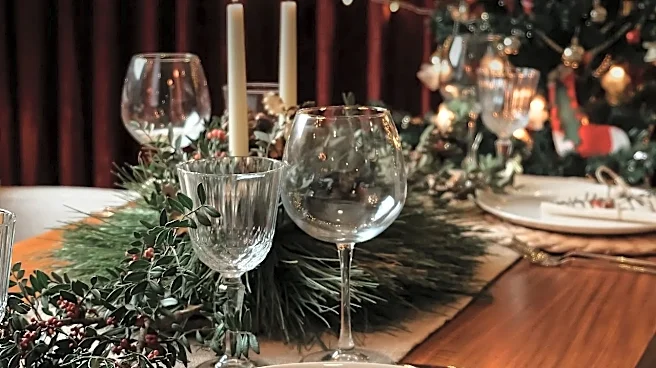
The Thanksgiving we see in old magazines and classic television—a feast where every single element is heroically wrestled into existence from raw ingredients—is a relatively modern invention. This ideal largely took shape in the mid-20th century, a time when domestic labor was often portrayed as a woman's primary purpose and joy. Magazines and early cooking shows codified a specific menu: roast turkey, mashed potatoes, stuffing, gravy, and pumpkin pie. This wasn't necessarily a reflection of historical accuracy
(the 1621 meal was likely heavy on venison and wildfowl), but a romanticized vision meant to create a shared national tradition. The message was clear: the effort was the point. The more hours spent, the more love was shown. This philosophy has lingered for decades, creating a standard that is not only stressful but increasingly disconnected from the realities of modern life.
Redefining Success: Presence Over Production
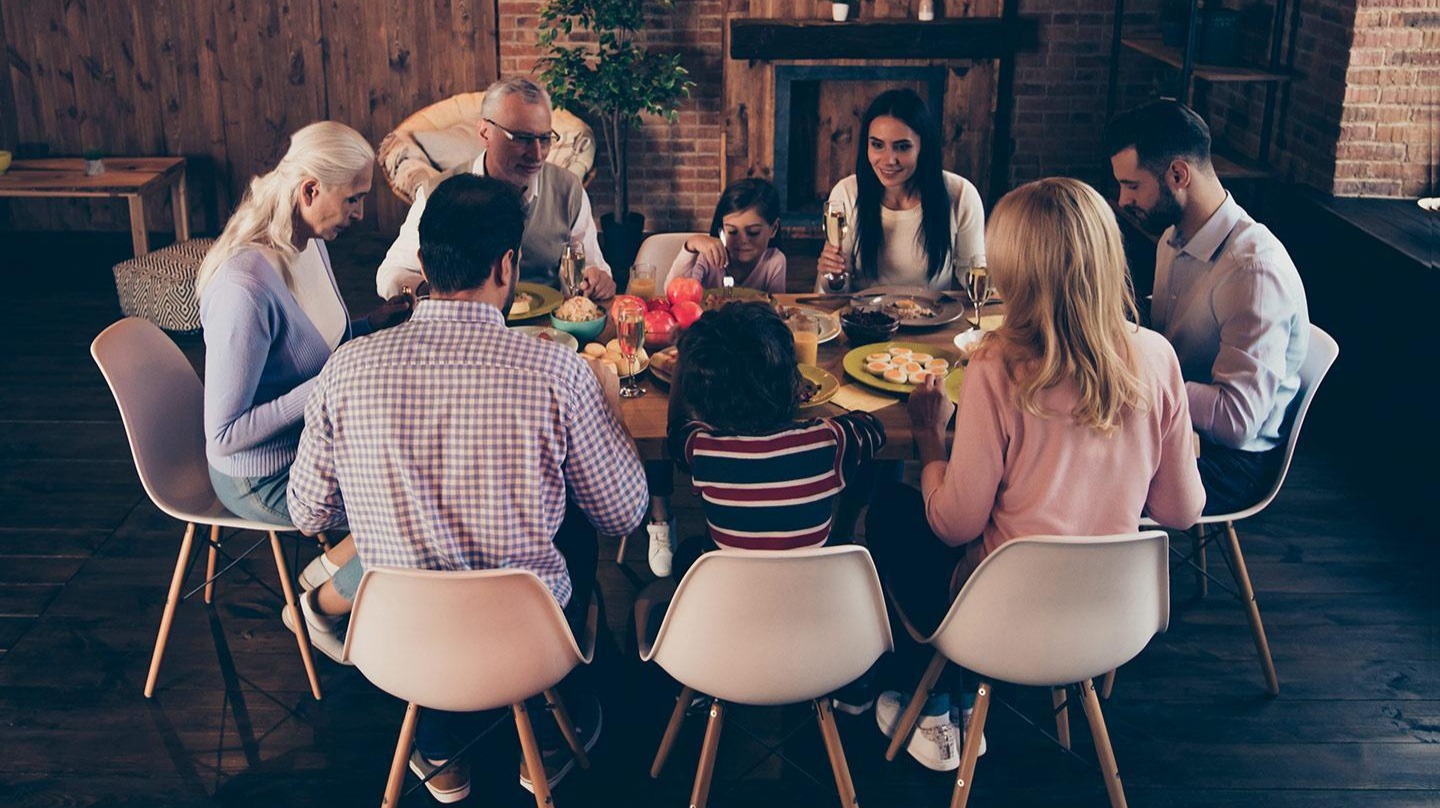
Today, the very definition of a successful holiday gathering is shifting. The emphasis is moving away from the performance of labor and toward the quality of connection. Research shows that hosts, particularly millennials, are increasingly concerned about spending too much time in the kitchen and not enough with their guests. The stress of executing a flawless, multi-course meal can lead to genuine holiday burnout, marked by physical and emotional exhaustion. In this context, a 'shortcut' is no longer a sign of cutting corners. Instead, it's a strategic decision to buy back time and energy. Opting for a store-bought pie crust or a pre-made appetizer platter is a conscious choice to prioritize being present with family and friends over sweating alone in the kitchen. Authenticity is no longer measured by how much you cooked, but by how much you enjoyed the day.
The Art of the Strategic Shortcut
Let's be clear: not all shortcuts are created equal, but many are undisputed time-saving champions. Buying a good quality, pre-made pie crust is a classic move that even professional chefs endorse. It eliminates a technically fussy step without significantly compromising the final product. Using a stuffing mix and 'doctoring' it with fresh sausage, herbs, or vegetables is another brilliant time-saver that delivers a fantastic result. And there is absolutely no shame in buying the cranberry sauce in a can—for many, the jiggly, ridged cylinder is a non-negotiable part of the nostalgic experience. Other smart moves include buying pre-cooked turkey, ordering sides from a local restaurant, or turning the meal into a potluck where everyone contributes. These aren't failures; they are savvy hosting strategies that make the day more manageable and joyful for everyone, especially the person in charge.
What We're Really Thankful For
Ultimately, the pressure to produce a perfect, from-scratch Thanksgiving meal often undermines the very purpose of the holiday. Thanksgiving is meant to be about gratitude and togetherness. When the host is so stressed about whether the gravy has lumps or the pie crust is perfectly flaky that they can't relax and connect with their loved ones, something has gone wrong. The old advice implied that your worth as a host was tied to your level of culinary martyrdom. The new, and much healthier, perspective is that the goal is to create a warm and happy environment. If that means a grocery store pumpkin pie is sitting on the counter next to your homemade mashed potatoes, you haven't failed. You've succeeded in focusing on what actually matters: sharing a meal and making memories, not running a one-day, high-stress restaurant for free.