




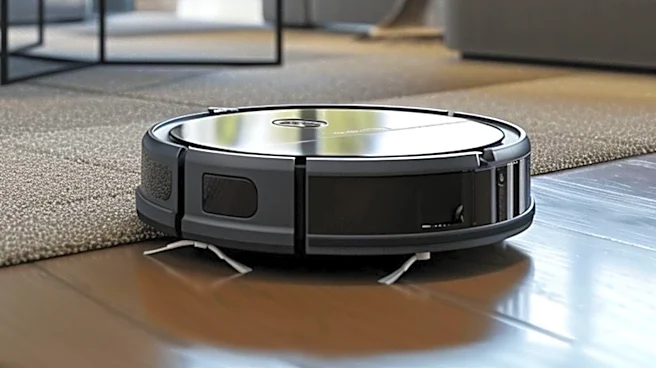

Black Friday promises massive savings on smart home tech, but a cheap robot vacuum can quickly become an expensive mistake if you aren't careful about what's under the hood.
The Trap of the Low Price Tag
It is incredibly tempting to see a robot vacuum sitting at a 40% or 50% discount and hit that 'buy' button immediately. However, in the world of automated cleaning, price is often a direct reflection of intelligence and durability. During major sales events like Black Friday, some retailers may slash prices on older or entry-level models that lack the essential features needed to actually clean a modern home. If you find a deal that looks too good to be true, you might be buying a device that spends more time getting stuck under your sofa than actually picking up dust.
Red Flags to Watch For
Before
you commit your hard-earned money, keep an eye out for these specific technical pitfalls that can turn a 'deal' into a headache. First, beware of random navigation. Basic models often use simple sensors that cause them to bounce around aimlessly. While this might work for a tiny studio apartment, in a larger home, these vacuums often miss entire rooms or get trapped in repetitive loops. Second, look closely at suction power. Manufacturers love to tout high Pascal (Pa) ratings, but raw suction is only half the battle. You also need efficient brush rolls and airflow to ensure that the dirt actually makes it into the bin rather than just being pushed around the floor.
The Hidden Costs of Cheap Tech
A robot vacuum is not a one-time purchase; it is a long-term commitment to maintenance. One of the biggest mistakes shoppers make is ignoring the availability of replacement parts. A vacuum is only as good as its filters, side brushes, and central rollers. If you buy a generic or off-brand model that lacks a robust supply chain in the U.S., you might find yourself with a perfectly functional machine that becomes a paperweight because you cannot find a replacement battery or a specific filter six months from now. Additionally, check the app stability. A vacuum that cannot reliably connect to your Wi-Fi or lacks a well-designed app is a vacuum that will frustrate you every single day.
When to Pull the Trigger
So, should you buy now or wait? The answer depends on the specific model. If you are looking at premium brands that have seen genuine, deep discounts on their flagship lines—such as high-end models from Roborock or Samsung—Black Friday is an excellent time to buy. For example, seeing a highly-rated mid-range model drop by hundreds of dollars is a legitimate way to upgrade your lifestyle. However, if the sale is primarily on 'budget' models with limited battery life and poor obstacle avoidance, you are better off waiting or saving for a more reliable machine later in the year.