



The pressure to host the perfect Thanksgiving is real. From the turkey to the tablescape, it feels like every detail matters. But here’s a secret: not all rules are meant to be followed, especially one particularly stuffy Gilded Age tradition.
The Gilded Age Rule You Can Scrap
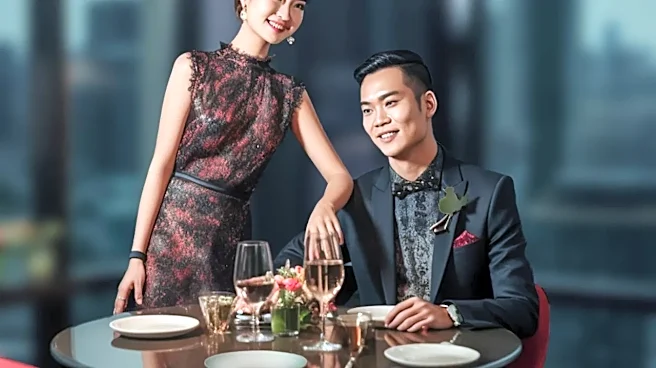
Let’s get right to it: the tradition in question is the formal requirement to change your entire outfit for dinner. During the Gilded Age (roughly 1870-1900), it was common for wealthy women to change their clothes four or five times a day. Each activity—a morning walk, receiving afternoon visitors, and certainly the evening meal—demanded a specific and appropriate outfit. Dinner, even when it was just family, was a formal affair that required its own distinct dress, more elaborate than afternoon wear but
less formal than a ball gown. It was a rigid social code designed to showcase status and a life of leisure.
A Different Time, A Different Host
The life of a Gilded Age hostess was a world away from today’s reality. An army of servants handled the cooking, serving, and cleaning, leaving the lady of the house to focus on her social duties and, of course, her wardrobe. The purpose of changing for dinner was to maintain one's reputation and signal the formality of the evening. For the elite, clothing was a language of its own, communicating wealth, class, and adherence to strict social norms. The dinner dress itself was often made of rich fabrics like satin or velvet, designed to glimmer in gaslight, but still adhered to specific rules about necklines and sleeve lengths.
Why It Makes No Sense in 2026
Now, picture the modern Thanksgiving host. You’re brining a turkey at dawn, peeling pounds of potatoes, frantically cleaning the guest bathroom, and trying to keep the appetizers from burning while fielding questions from arriving family members. You are the chef, the cleaner, the server, and the cruise director all in one. The idea of stopping mid-chaos to slip into a formal, restrictive dinner dress isn’t just impractical; it’s absurd. The Gilded Age rule was for people who were 'presented' with dinner, not for those who cook it. Today’s holiday is often a more casual, buffet-style affair where comfort and movement are key.
The New 'Hostess with the Mostest' Uniform
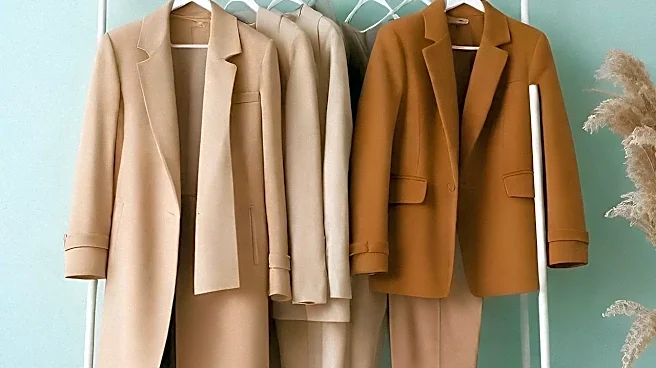
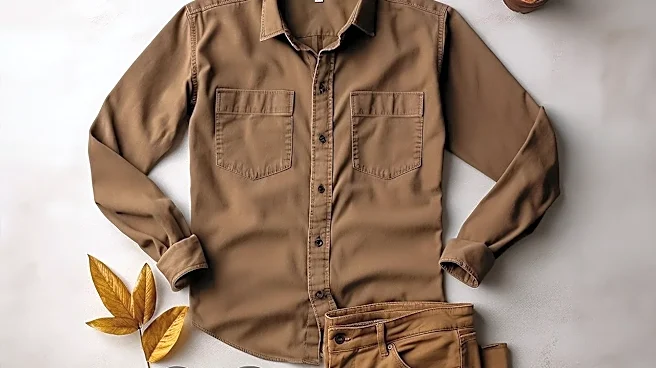
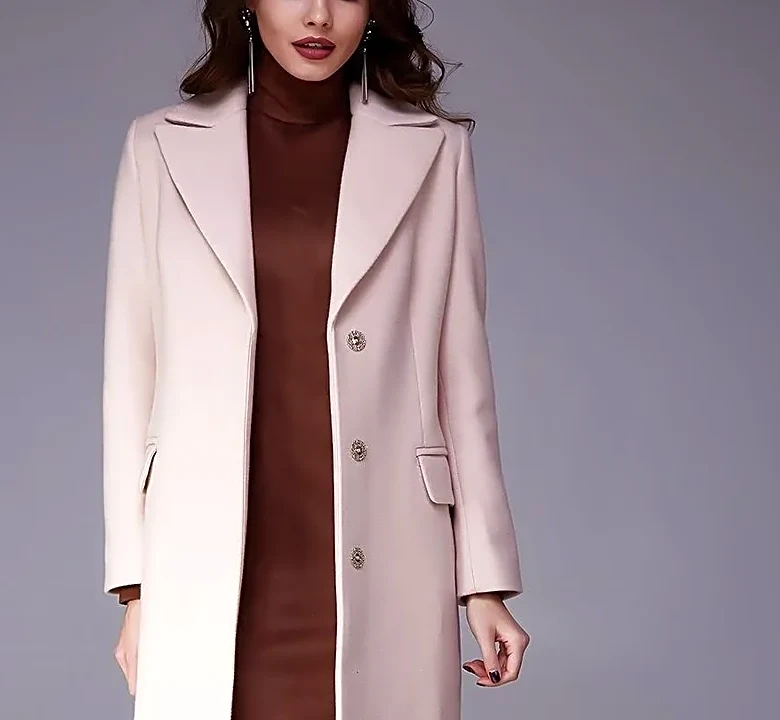
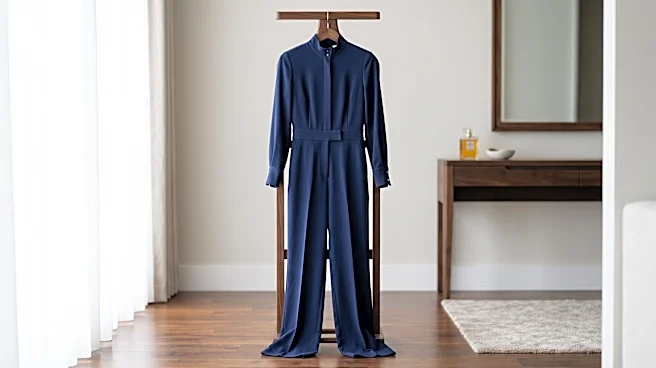
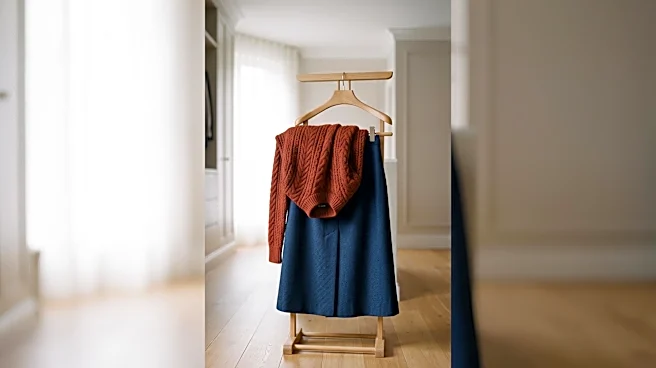
So, what should a modern Thanksgiving host wear? The new consensus is all about 'host-friendly' attire that balances style with practicality. Think of a 'one-and-done' outfit that looks polished but feels comfortable from the first guest's arrival to the last slice of pie. Great options include a stylish sweater dress with boots, tailored velvet or wide-leg trousers paired with a fitted knit top, or a flowy midi dress in an autumnal print. The key is choosing fabrics with a bit of stretch and sticking to darker colors or patterns that can forgive a potential gravy splash. Above all, comfort is paramount; you can’t be a gracious host if you’re worried about a tight waistband or delicate fabric near the stove.
Focus on What Really Matters
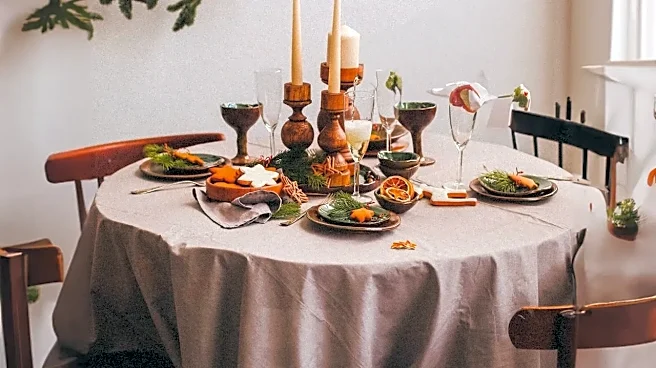
By leaving the Gilded Age dress code behind, you free up mental and physical energy to focus on what truly makes Thanksgiving special: the people and the atmosphere. Instead of stressing about an outfit change, channel that effort into creating a welcoming environment. This might mean curating a great playlist, setting up a fun drink station, or simply having the time to sit down and chat with your guests without feeling frazzled. The best hosts make their guests feel at ease, and that starts with being at ease yourself. True hospitality isn't about rigid formality; it’s about warmth, connection, and creating a space where everyone, including the host, can relax and feel grateful.