


The All-American Turkey
While the specific menu of the 1621 harvest gathering between the Pilgrims and the Wampanoag people is a matter of historical debate, wild fowl were certainly present. The turkey, a bird native to the Americas, was domesticated by peoples in Mesoamerica and the American Southwest thousands of years ago. Though venison was the primary meat at the 1621 feast, the turkey's status was cemented in the 19th century. Promoted by writers like Sarah Josepha Hale, who campaigned for Thanksgiving as a national holiday, the large, American-native bird became a practical and symbolic choice to feed a family, eventually becoming the undisputed star of the meal.
The Three Sisters: A Perfect Partnership
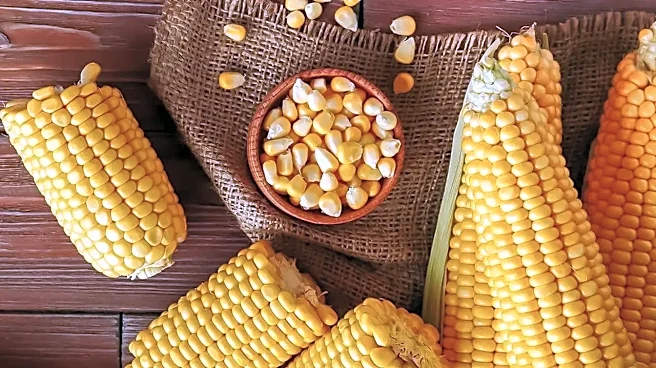
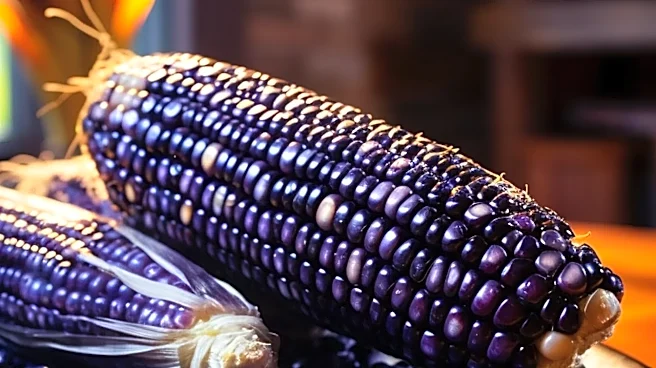
Many Thanksgiving tables feature corn, beans, and squash in some form, whether it's cornbread, green
bean casserole, or pumpkin pie. These three crops are known among many Indigenous tribes, including the Haudenosaunee (Iroquois), as the 'Three Sisters'. This name refers to a sophisticated companion planting method where the three are grown together in a symbiotic relationship. The corn provides a stalk for the beans to climb, the beans fix nitrogen in the soil, and the broad leaves of the squash provide ground cover, retaining moisture and deterring weeds. This agricultural innovation provided a nutritionally balanced and sustainable food source that remains foundational to American cuisine.
Cranberries: More Than a Sauce
That tart, crimson sauce has roots in the bogs of North America. Native peoples, like the Wampanoag, who called the fruit 'sasumuneash', harvested wild cranberries for generations. They were used for far more than just food; cranberries served as a potent medicine, a dye for textiles, and a key ingredient in 'pemmican'—a high-energy survival food made by mixing the berries with dried meat and fat. While the sugary sauce we know today likely wasn't at the 1621 meal due to a lack of sugar, the English colonists learned how to use the versatile, native berry from their Indigenous neighbors.
Pumpkin, Potatoes, and Other Staples
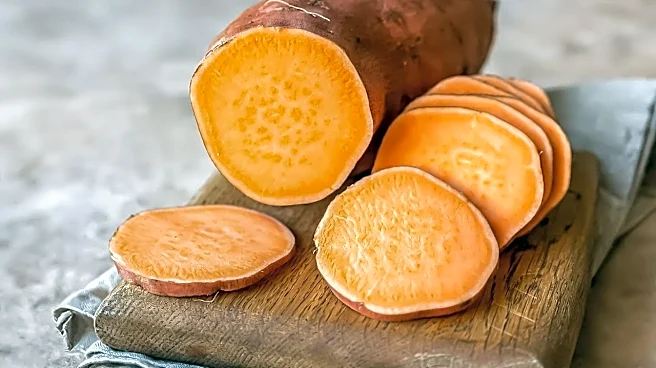
What would Thanksgiving be without pumpkin pie or mashed potatoes? Pumpkins and other squashes are native to the Americas and were a staple for both Indigenous peoples and early colonists. However, the dessert pie form came later, as the Pilgrims lacked the butter and wheat flour for a crust. Potatoes, a staple now, were domesticated in South America and introduced to North America by Europeans. Other native ingredients that grace the holiday table include pecans, maple syrup, and even vanilla, which originates from an orchid first cultivated in Mesoamerica. These foods represent a vast agricultural legacy, developed over thousands of years.