


Every year, it emerges from a dusty basement or crowded garage: the folding table. A symbol of overflow guests and holiday chaos, we love to hate it. But we've been blaming the wrong thing. It isn't the problem; it's just a scapegoat.
In Defense of the Humble Card Table
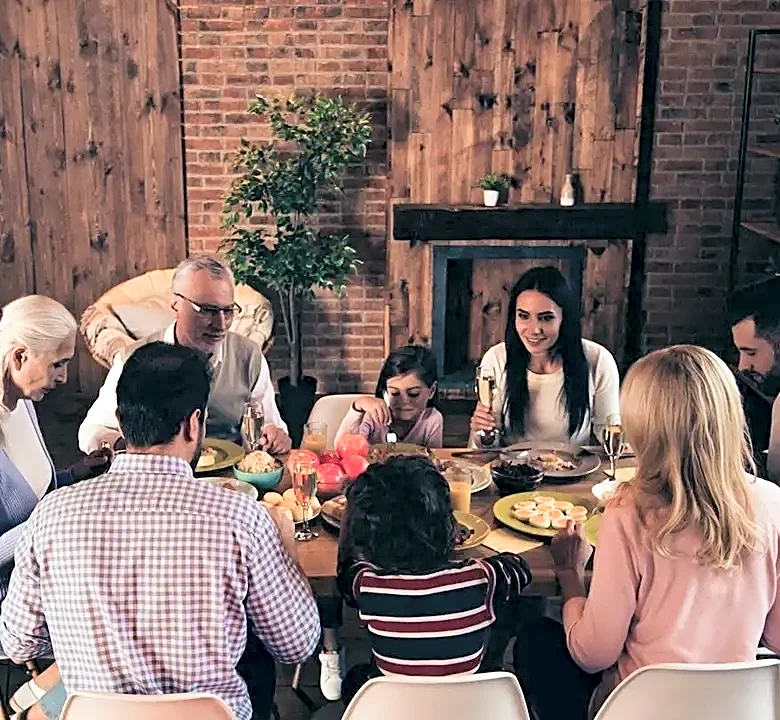
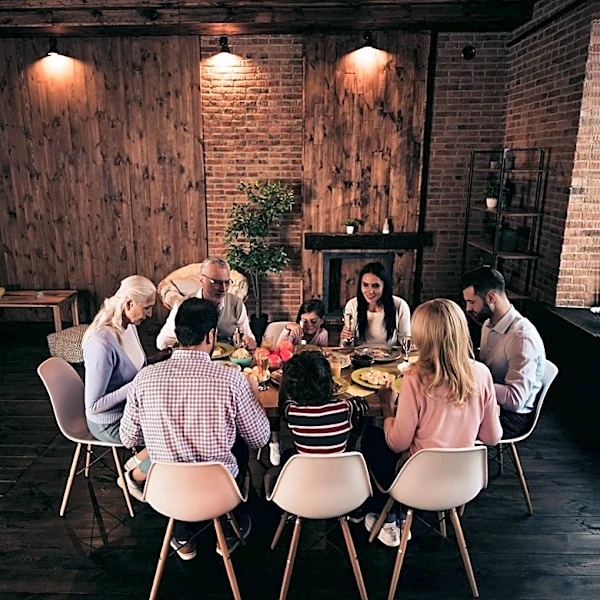
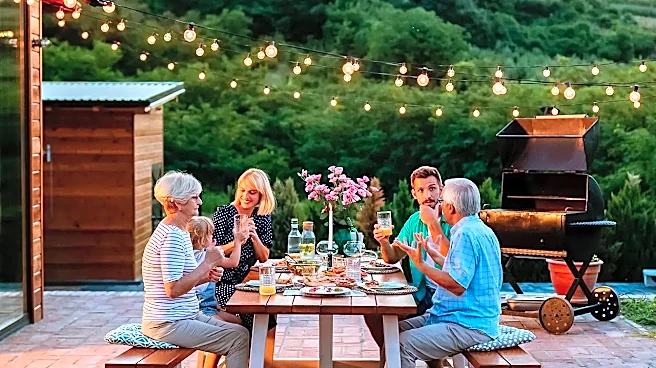
Let’s reframe the narrative around this unsung hero of the holidays. The appearance of a folding table, often draped in a disposable tablecloth, isn’t a sign of failure. It’s a sign of success. It means your family is growing, your circle of friends is expanding, or your capacity for welcome has exceeded your dining room’s formal seating plan. This wobbly, utilitarian surface is the physical manifestation of ‘the more, the merrier.’ It is the equalizer, the kids’ table graduate program, and the silent testament
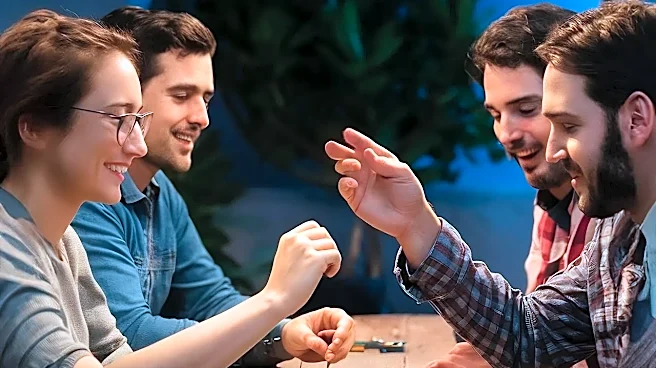
to a host who would rather squeeze everyone in than turn someone away. While the main table might be for the adults discussing politics and mortgages, the card table is often where the real fun happens—a lawless land of shared giggles, spilled gravy, and the forging of cousin alliances. It’s a symbol of abundance, not inadequacy.
The Real Culprit: Unspoken Expectations
The true villain of Thanksgiving is the ghost of Norman Rockwell. It’s the crushing weight of trying to replicate a picture-perfect image of holiday harmony that often only exists in advertisements and old magazines. This pressure to perform—to serve a flawless turkey, to orchestrate seamless conversation, to ensure every single person is perpetually joyful—is an impossible standard. The stress doesn’t come from a slightly uneven chair, but from the gap between our idealized version of the day and the messy, complicated reality of family. We are so focused on choreographing a perfect experience that we exhaust ourselves before the first slice of pie is even cut. The holiday becomes a performance, and the emotional labor required to maintain the facade is far more draining than hauling a table up the stairs.
Kitchen Chaos and Menu Bloat
Another source of tension is the kitchen itself. The Thanksgiving meal has become a culinary arms race. What was once a simple harvest feast has morphed into a marathon of 12 side dishes, three desserts, and catering to every conceivable dietary preference. The kitchen transforms into a high-stress zone of conflicting cooking times, limited oven space, and territorial disputes over who gets the last clean whisk. The anxiety over a dry turkey, lumpy mashed potatoes, or stuffing that isn't perfectly moist can set a frantic tone for the entire day. This self-imposed culinary complexity creates unnecessary stress. We forget that the goal is to share a meal, not to audition for a cooking show. Nobody’s holiday is truly ruined by a single-layer cake, but the host’s day certainly can be.
Navigating the Minefield of Family Dynamics
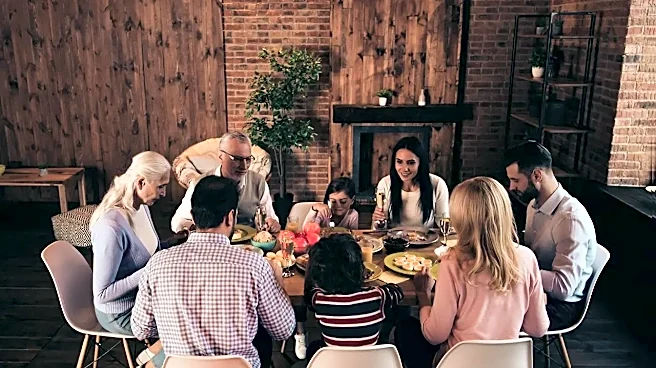
Ultimately, the greatest source of holiday discomfort has nothing to do with furniture. It’s the people. Thanksgiving is the one day a year when the entire 'family mobile' is forced to hang together, reactivating old roles and unresolved tensions. You can have the most beautiful table setting in the world, but it won’t defuse the awkwardness between a divorced couple, soothe a simmering political disagreement, or mend a year’s worth of unspoken grievances. We perform politeness, saying we're grateful on command while navigating conversational minefields. The exhaustion many feel at the end of the day isn't from too much tryptophan; it’s the fatigue of emotional performance and biting your tongue. Proximity doesn’t automatically create presence or connection, and no amount of fine china can fix that.