



Rule #1: Everything Must Be Orange, Brown, and Red
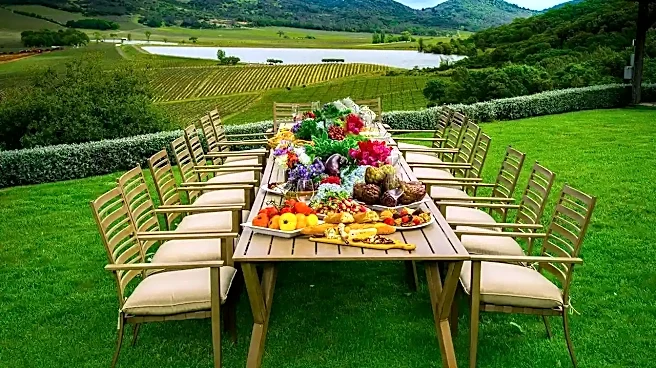
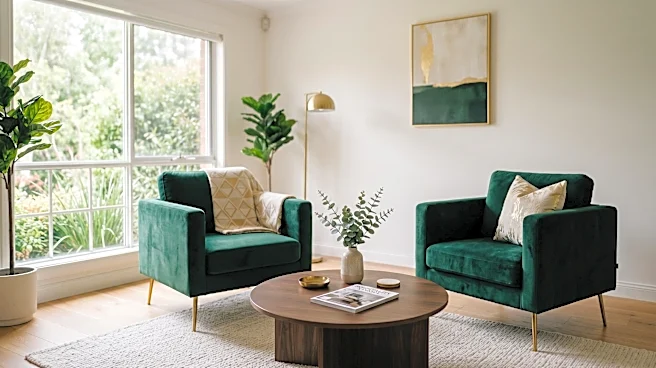
The classic autumn harvest palette is beautiful, but it’s not the only option. Sticking rigidly to rust, pumpkin orange, and cranberry red can feel dated and restrictive, especially if it clashes with your home's existing decor. This year, give yourself permission to break free. Modern Thanksgiving tables are embracing cooler, more sophisticated palettes. Think about slate blues, moody greens, soft mauves, or even a simple, elegant scheme of cream and gold. These colors can still feel warm and inviting, especially when layered with natural textures like wood, linen, and ceramic. The key is to evoke the feeling of autumn, not just replicate its most obvious colors. Let the bounty of the season—like green gourds, deep purple artichokes, or pale-hued
squashes—inspire your color choices.
Rule #2: A Cornucopia Centerpiece Is Essential
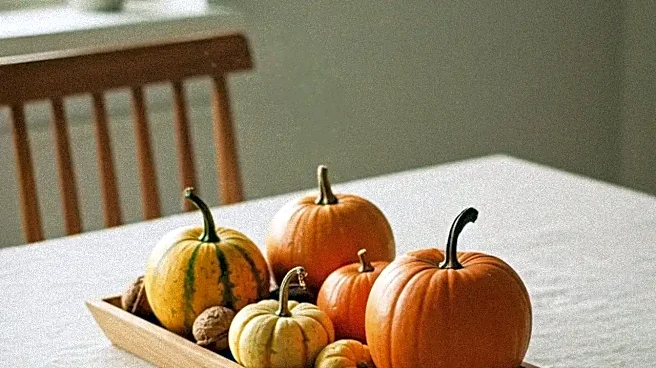
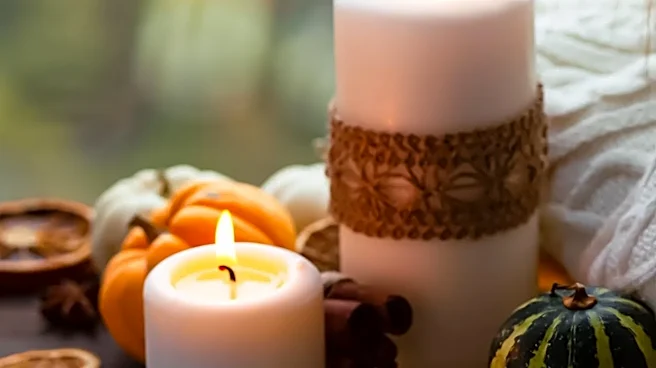
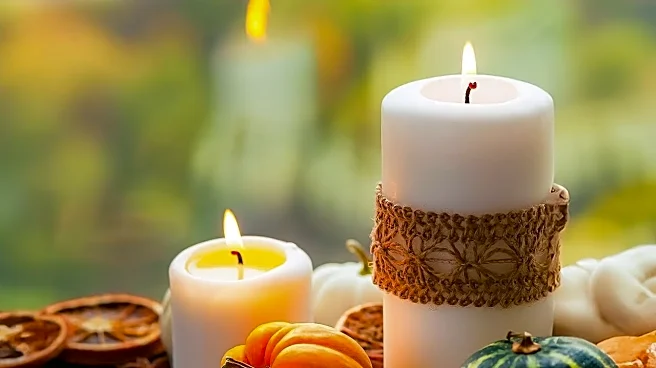
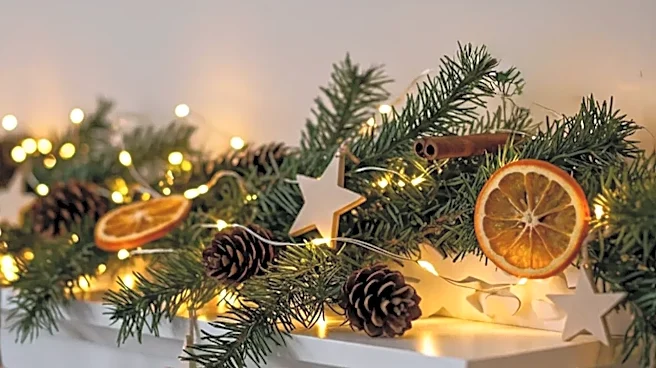
The horn of plenty is a classic symbol of abundance, but it can also be a bulky, space-hogging tradition that feels more obligatory than inspired. Many hosts find that a large centerpiece actually gets in the way of conversation and, more importantly, the food. Instead of a single, towering arrangement, try a lower, more organic 'runner' of decor. Weave a simple garland of eucalyptus or other inexpensive greenery down the center of the table. Scatter a few mini pumpkins, gourds, pomegranates, or pears along its length. Add some warmth with an assortment of votive candles or elegant, unscented tapers. This approach creates a festive look that feels integrated and modern, allowing guests to see each other easily across the table.
Rule #3: You Must Use the 'Good China' and Polished Silver
The tradition of breaking out the fragile, heirloom china often comes with a side of anxiety. Who hasn't worried about a guest chipping a plate or breaking the stem off a crystal glass inherited from a grandparent? Thanksgiving is about comfort and connection, not performance. Feel free to skip the formal dinnerware. Mixing and matching ceramic plates can create a 'perfectly imperfect' look that’s both stylish and relaxed. Using your everyday flatware saves you the tedious chore of polishing silver. If you want to elevate the place settings, focus on elements that add texture and warmth, like high-quality linen napkins, woven placemats, or simple, handmade place cards.
Rule #4: The Tablecloth Must Be Ironed and Formal
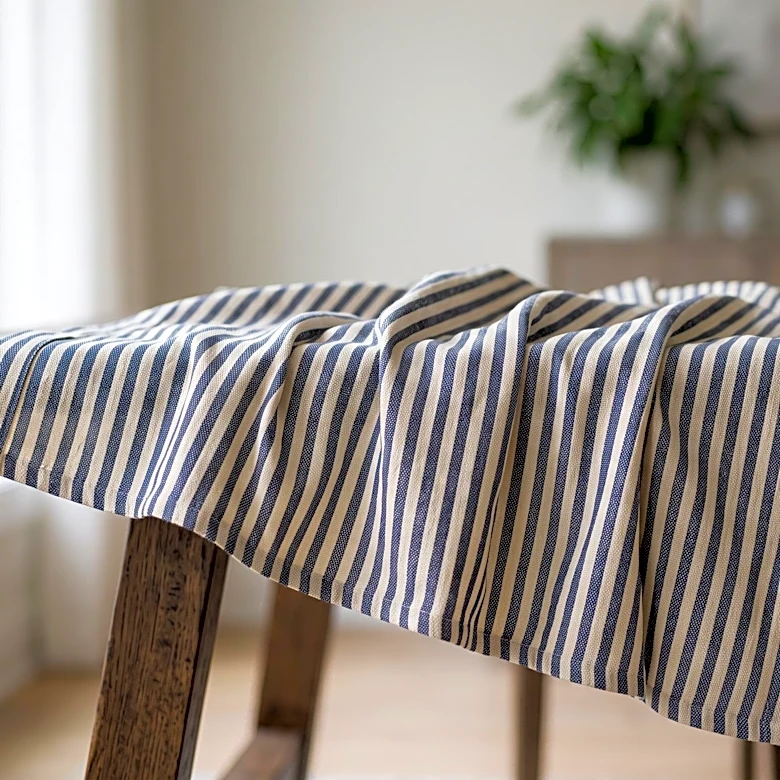
In generations past, a crisply ironed damask tablecloth was the non-negotiable foundation of a proper Thanksgiving table. But in 2026, many find that a formal tablecloth is not only a hassle to clean but also hides the natural beauty of the dining table itself. If you have a wooden or stone table, let it be the star. For a rustic, organic feel, consider using a simple jute or linen runner instead of a full cloth. Some designers even embrace unpressed, wrinkled linens for a relaxed, European-inspired aesthetic. If you're concerned about spills and scratches, stylish placemats are a practical and attractive alternative that still feels intentional.
Rule #5: Decorations Must Be Explicitly 'Thanksgiving' Themed
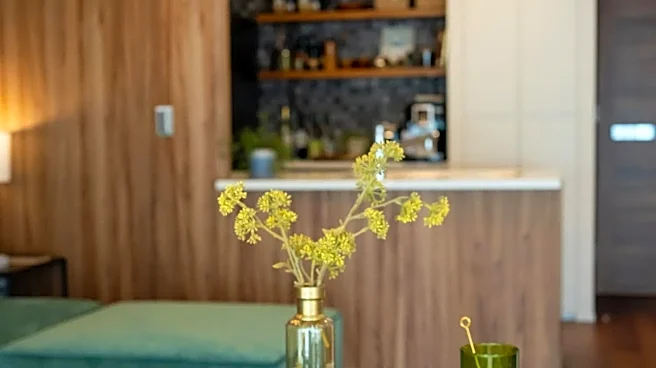
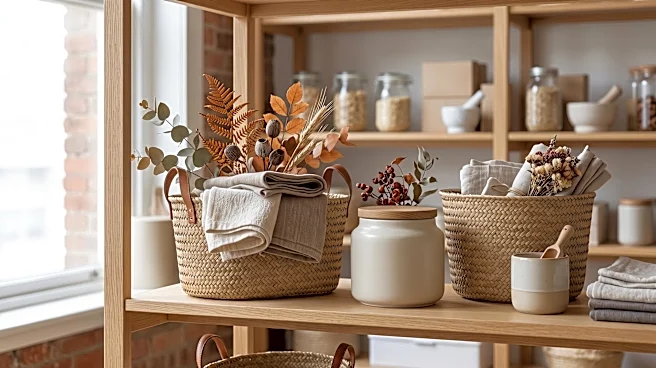
Walk into any store in November, and you’ll find an aisle of decor emblazoned with turkeys, pilgrims, and 'Give Thanks' in flowing script. But you don't need these clichés to set a festive mood. In fact, relying too heavily on themed items can make your decor feel generic. Instead, focus on seasonal, natural elements that evoke the harvest spirit without being so literal. Think about textures: a chunky knit throw pillow, a vase of wheat stalks, or arrangements of fall branches and dried hydrangeas. Framed family photos, handwritten menus, or even beautiful produce like artichokes and pomegranates can serve as decor that is both personal and chic.