

Food Is a Love Language
At its core, that impulse to add one more casserole or another pie comes from a place of affection. For many people, preparing food is a primary way to express love and care. It’s a tangible, nourishing act that says, ‘I thought about you, I worked for you, and I want you to be happy and satisfied’. When words feel inadequate, a favorite dish can communicate volumes. Psychologists note that providing food is one of our most ancient and fundamental ways of showing hospitality and building community. That extra dish isn’t just more food; it’s an extra expression of love, an edible insurance policy against anyone feeling overlooked or uncared for. In this context, the feast is a form of social validation, where the effort of cooking is a gesture
of affection that guests accept to complete the social bond.
A Taste of Nostalgia
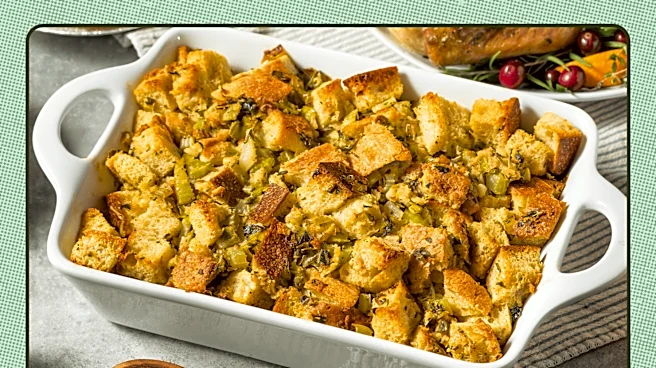
Thanksgiving dishes are time machines. The scent of a specific spice or the sight of a certain casserole can transport us back to childhood holidays, connecting us to generations past. Many families have recipes that are passed down, and making them is a way of honoring relatives and keeping traditions alive. These dishes are packed with memories, and failing to include one can feel like leaving a family member off the guest list. Research suggests that so-called 'comfort foods' can literally make us feel safe and loved by activating positive memories from when we first ate them. So, when you decide at the last minute to make your grandmother’s specific style of stuffing, you’re not just adding a side dish; you’re inviting her memory to the table and connecting the present celebration to the long, warm history of your family.
The Anxiety of 'Enough'
Hosting Thanksgiving comes with a unique brand of pressure. Will there be enough food? Will everyone find something they like? What if Uncle John is disappointed there’s no creamed corn? This anxiety can lead to what’s known as 'performance anxiety' for hosts, an intense focus on getting everything right and a fear of disappointing others. Piling on more dishes is a way to soothe that anxiety. It’s a buffer against scarcity and a strategy to cater to every possible preference, ensuring no one leaves unsatisfied. More than a third of adults find the holidays feel like a competition, and the pressure to host a 'perfect' gathering is a significant source of stress. By adding another dish, the host is trying to guarantee abundance and create a sense of generosity and warmth, even if it means an overflowing oven and a chaotic kitchen.
Staking Your Culinary Claim
In a potluck-style world, a dish is more than just food—it's an identity. Bringing a signature dish is a way of contributing your unique flavor to the collective meal. As Thanksgiving celebrations have evolved, blending classic recipes with personal or cultural additions has become common. Whether it’s a modern take on a classic or a dish representing one's own family heritage, it’s a way to be seen and represented at the table. This can also be true for the host. Making a new, interesting dish alongside the traditional standbys is a creative outlet and a way to put a personal stamp on the holiday. It’s a declaration that while tradition is honored, there’s also room for individuality and growth. Each platter on the buffet tells a story, and adding one more is simply adding another chapter to the family narrative.