


1. Master the Art of Layering
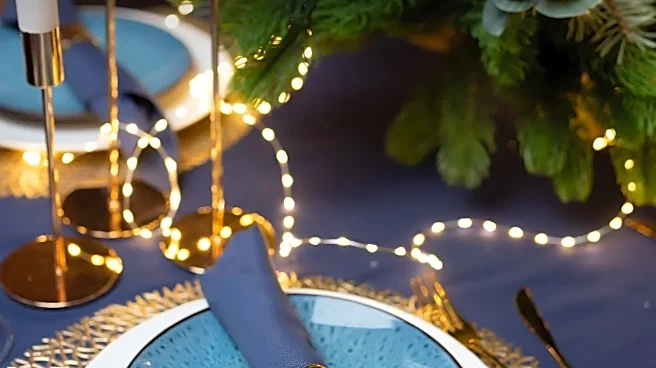
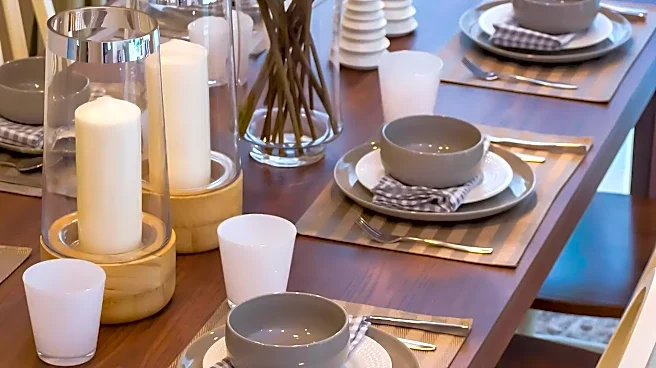
A memorable table starts with a good foundation. Layering linens is the fastest way to add depth, color, and texture. Start with a tablecloth or, for a more modern feel, a table runner that lets some of your table's natural wood show through. From there, add placemats. They don't have to match the tablecloth; in fact, a contrasting color or material creates more visual interest. Finally, place a charger under your dinner plate. This simple disk adds a touch of formality and makes each place setting feel intentional and complete. The goal is to build texture and dimension, making the table feel thoughtfully composed.
2. Build a Dynamic Centerpiece
Your centerpiece is the star of the show, but it shouldn't obstruct the view. A common rule is to keep arrangements under 12 inches
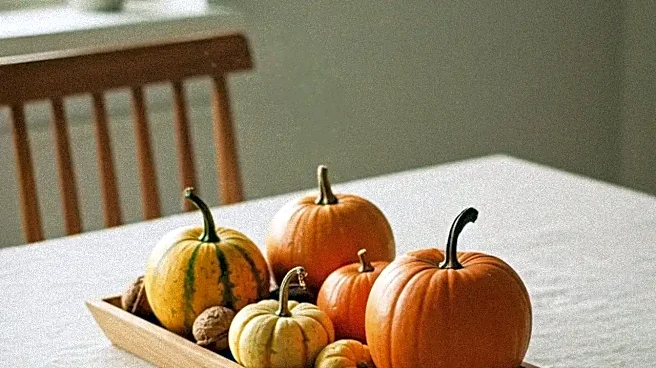
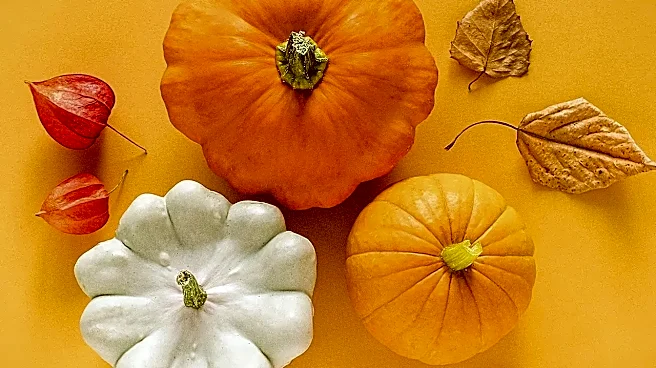
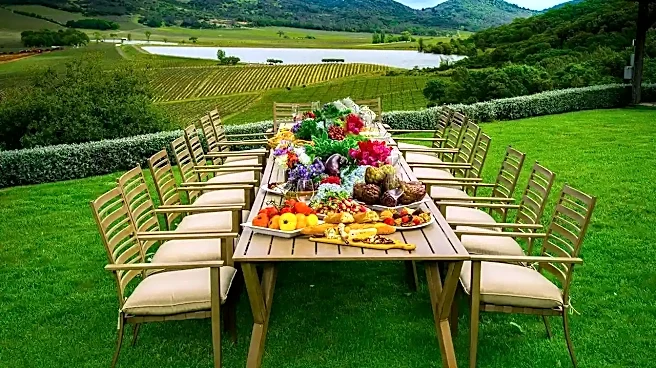
tall so guests can easily see and talk to each other across the table. Instead of one large, static bouquet, think in terms of a 'tablescape'. Weave a garland of eucalyptus or fall foliage down the center of the table. Incorporate natural elements like small gourds, pears, pomegranates, pinecones, or even artichokes for a touch of rustic elegance. For a dynamic look, vary the height of your elements, clustering candles of different sizes or using small bud vases instead of one large one.
3. Mix, Don't Mismatch, Your Dinnerware
You don’t need a perfectly matched 12-person set to create a cohesive look. Intentionally mixing dinnerware can look incredibly chic, but the key is to have a unifying element. One simple rule is to stick to a two- or three-color palette. For example, you could pair neutral dinner plates with patterned salad plates that share a common accent color. Another strategy is to group by warmth or coolness of tones—keeping creamy, earthy ceramics separate from crisp, blue-toned porcelain. The idea is to create a curated, collected look, not a chaotic one where everything competes for attention.
4. Give Your Napkins a Moment
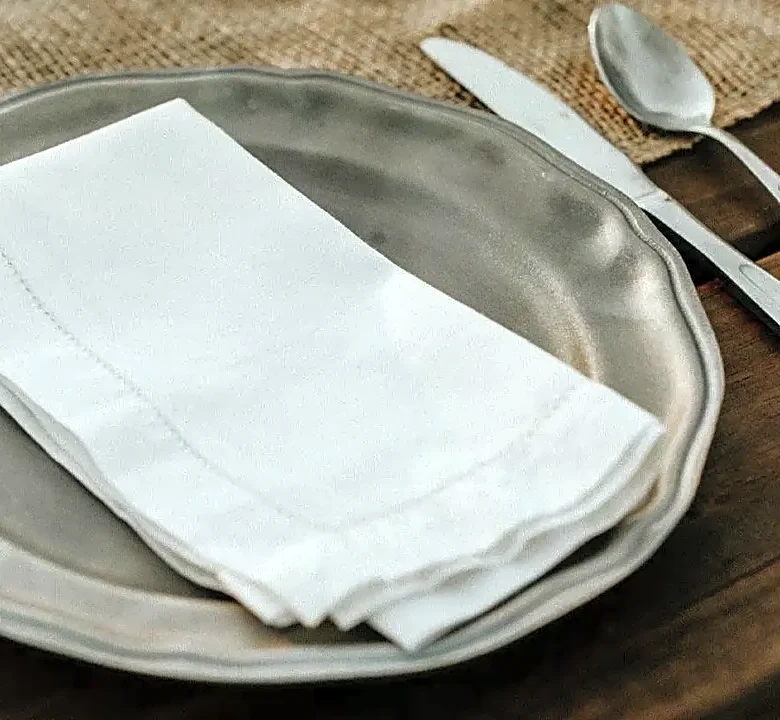
A cloth napkin instantly elevates a place setting. While intricate folds can be beautiful, a few simple styles make a big impact with minimal effort. The simple knot, where you loosely tie the napkin in the middle, offers a relaxed yet elegant look that requires no special tools. Another easy option is the classic pocket fold, which provides a tidy space to tuck in silverware or a menu. For a truly effortless approach, use a napkin ring. Simply roll the napkin and slide a ring around the center. You can personalize it by tucking in a sprig of rosemary or a cinnamon stick.
5. Create Ambiance with Strategic Lighting
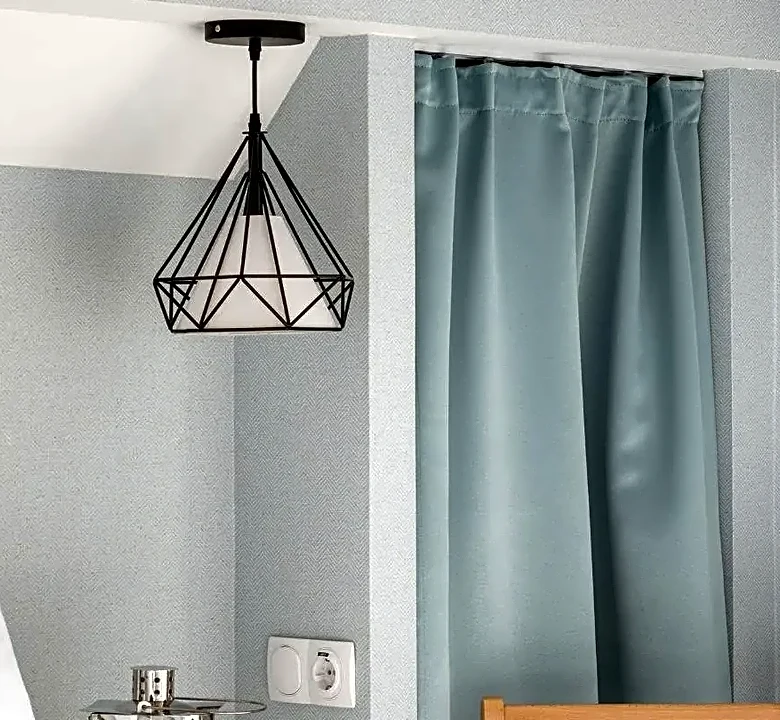
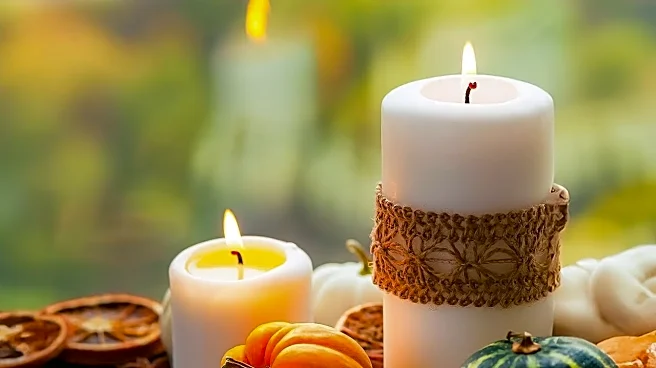
Lighting sets the mood more than anything else. Harsh overhead lights can feel clinical, so aim for warm, layered illumination. The best approach combines ambient light with more focused sources. Dim the main chandelier and supplement it with candles on the table. For safety and convenience, flameless or battery-operated candles provide a realistic flicker without the worry of an open flame. You can also place small, cordless lamps on a nearby sideboard to cast a gentle glow across the room. The goal is a cozy, intimate atmosphere where everyone feels comfortable and relaxed.
6. Personalize Each Place Setting
Small, personal touches show your guests you were thinking of them. A simple place card is the easiest way to do this. You don't need to be a calligrapher; writing each name on a piece of cardstock works perfectly. For a more creative approach, write names on large autumn leaves with a metallic marker. You can also tie a name tag to the stem of a small apple or mini pumpkin. These elements not only guide guests to their seats but also serve as charming decorative accents that make each person feel individually welcomed.
7. Balance Height and Scale
A well-styled table is all about balance. Once you have your centerpiece, linens, and place settings arranged, take a step back and look at the overall composition. Do the elements feel proportional? Your centerpiece shouldn't dwarf the plates, and tall, slender candles might look out of place next to low, rustic dinnerware. The key is to ensure that no single element dominates the tablescape. Everything should work in harmony, from the height of the water glasses to the width of the table runner, creating a scene that feels balanced, inviting, and ready for the feast to begin.