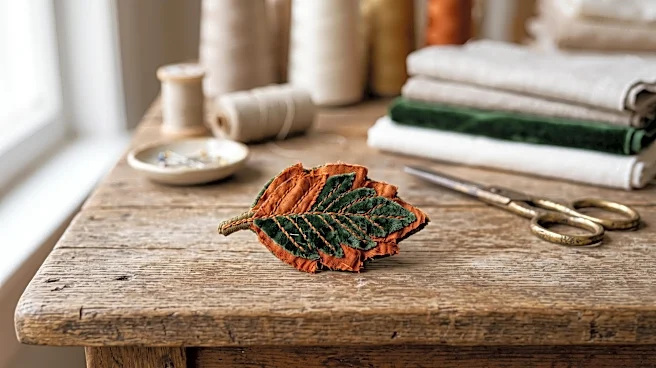




Looking for a unique, personal touch for your Thanksgiving outfit? This charming fabric-leaf brooch is a beautiful way to get festive while sustainably using up old clothing scraps. It’s a simple, satisfying project for a cozy fall afternoon.
Gather Your Autumnal Materials
Before you begin, gather your supplies. The beauty of this project lies in its use of remnants, so dig through your scrap bag or look at old clothes with a new eye. You’ll need fabric scraps in fall colors like reds, oranges, yellows, browns, and warm greens. Think old flannel shirts, corduroy pants, or cotton dresses. You will also need a stiffener to give your leaves shape. This can be a fusible interfacing, which you iron on, or a liquid stiffener. For a no-sew option, a simple mix of equal parts white
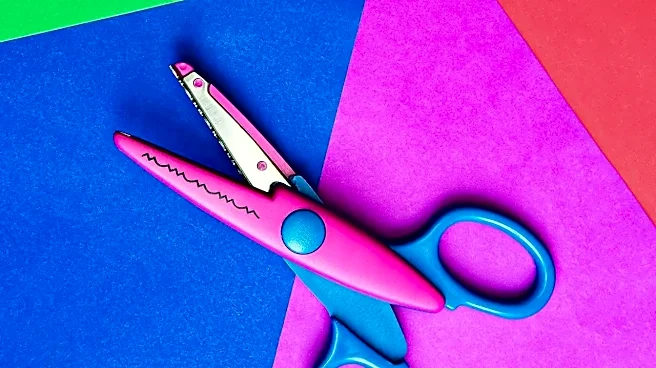
school glue and water works well. You’ll also want a backing material like felt, a pin back or safety pin, sharp scissors, and a hot glue gun or strong fabric glue. Finally, find a few real leaves from your yard to use as templates.
Step 1: Prepare Your Leaf Shapes
Start by creating your leaf templates. If you've gathered real leaves, you can simply trace their outlines onto a piece of paper or cardboard to create a sturdy, reusable pattern. Aim for a few different shapes and sizes, like oak, maple, or birch leaves, to create a more dynamic and natural-looking cluster. Once you have your templates, trace them onto the 'wrong' side of your fabric scraps. If you're using a patterned fabric, consider how the design will look once the leaf is cut out. Cut out two matching leaf shapes for every one leaf you plan to make; this will allow you to create a double-sided leaf with a clean finish.
Step 2: Stiffen the Fabric
To prevent your leaves from being limp and floppy, they need to be stiffened. If you are using fusible interfacing, cut a piece of interfacing slightly smaller than your leaf shape and iron it onto the wrong side of one of your fabric pieces, following the product's instructions. For a no-sew, no-interfacing method, you can use a liquid stiffener. In a small bowl, mix equal parts white glue and water to create a milky solution. Submerge your fabric leaf cutouts in the mixture, making sure they are fully saturated. Gently squeeze out the excess liquid and lay the leaves flat on a sheet of wax paper or plastic wrap to dry completely. They will feel stiff and almost paper-like when ready.
Step 3: Create the Leaf Details
Once your leaves are stiff, you can add realistic details. For sew-in options using interfacing, this is where you can use a sewing machine to stitch a central vein and smaller branching veins onto the leaves. A contrasting thread color can make these details pop. For no-sew, glue-stiffened leaves, you can create a similar effect by carefully drawing veins with a fine-tip permanent marker or even using dimensional fabric paint for a raised texture. Another method involves sandwiching a thin piece of floral wire between two fabric leaf cutouts (using Bondaweb or another double-sided adhesive) to create a leaf you can gently bend and shape.
Step 4: Assemble Your Brooch
Now for the final assembly. Arrange your finished leaves in a small, overlapping cluster that you find pleasing. Play with the composition, layering different colors, shapes, and sizes until it looks like a natural scattering of fall foliage. Once you’re happy with the arrangement, use a hot glue gun or strong fabric glue to secure the leaves to each other at their bases. Next, cut a small circle or oval of felt that is large enough to cover the glued area on the back of your leaf cluster. Glue the pin back to the center of the felt piece, and then glue the entire felt piece onto the back of your leaves. This provides a stable and tidy backing for your brooch.
Adding a Personal Touch
Feel free to customize your creation. You can add a small button, a wooden bead, or a tiny twine bow at the center of the leaf cluster for extra charm. Consider adding a touch of sparkle with a light dusting of glitter glue along the leaf edges. The types of fabric you choose will also dramatically change the look; wool scraps give a cozy, rustic feel, while bits of velvet or corduroy add a touch of texture and richness. This project is wonderfully versatile, so don't be afraid to experiment and make it your own.