




The Birth of a Holiday Icon
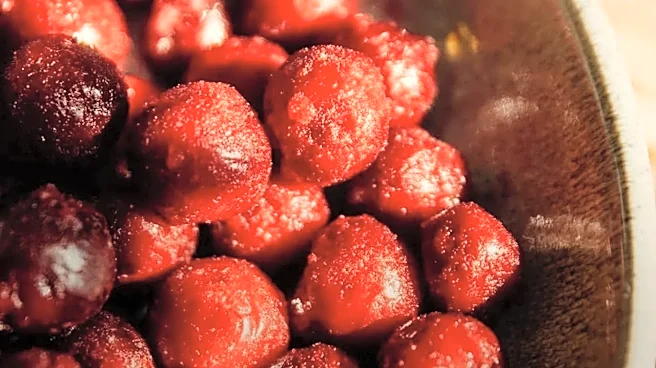
Cranberry sauce was an American tradition long before it came in a can. Native Americans introduced colonists to the tart native berry, and by the late 1700s, a sweetened sauce was a known pairing for roasted meats. But cranberries had a problem: a very short harvest season. This limited their use to just a few months a year. That all changed in 1912 when a lawyer-turned-grower named Marcus L. Urann began canning cranberry sauce, creating a product with a long shelf life. In 1930, he joined forces with two other major growers to form a cooperative, which would later be known as Ocean Spray. Their goal was to expand the market beyond the fresh-fruit season. The jellied log became a nationwide staple by 1941, cementing its place as an indispensable
part of the Thanksgiving feast.
The Cooperative's Dilemma
Being a holiday hero was great for branding but terrible for business. For decades, the vast majority of cranberry sauce sales occurred in the few weeks leading up to Thanksgiving and Christmas. This created immense pressure on the Ocean Spray cooperative, which today consists of about 700 family-owned farms. These farmers needed a way to sell their crops year-round, not just during one seasonal spike. Their entire livelihood depended on moving beyond the holiday niche. The cooperative structure itself, where profits go back to the farmer-owners, created a powerful incentive to innovate. They weren't just selling a product; they were building a sustainable future for their farms. This set the stage for a decades-long mission to change how America thought about the cranberry.
Beyond the Sauce: Juices and Craisins
The first major breakthrough in making the cranberry a year-round fruit had nothing to do with the sauce. In the 1960s, a marketing executive named Edward Gelsthorpe championed the idea of cranberry juice drinks. The launch of Cranberry Juice Cocktail in 1963, followed by blends like Cran-Apple, was a massive success. It competed with sodas and orange juice, turning the cranberry into a daily beverage. The next revolution came in the 1990s with the introduction of Craisins Sweetened Dried Cranberries. By creating a snappy, trademarked name and marketing them as a versatile snack and salad-topper, Ocean Spray created an entirely new, billion-dollar category for their fruit. Suddenly, cranberries were in lunch boxes, cereals, and baked goods, completely detached from their holiday origins.
The Final Frontier: The Sandwich
While juice and Craisins built a year-round business, the original canned sauce was still largely stuck in November. The final push was to reframe the sauce itself as a versatile condiment. This meant encouraging its use outside the holiday context. The most natural fit was the turkey sandwich, a year-round diner staple. The tangy, sweet flavor of cranberry sauce is a perfect counterpoint to savory roasted turkey, and Ocean Spray pushed this pairing through recipe development and marketing. Restaurants and diners provided a key avenue for this transformation. By getting cranberry sauce onto menus as a standard topping for turkey clubs or a glaze for pork chops, it demonstrated the sauce's utility to a wider audience. This strategy helped normalize cranberry sauce as something you'd find next to the ketchup, not just the stuffing.