








The Myth: A Uniform of Black and White
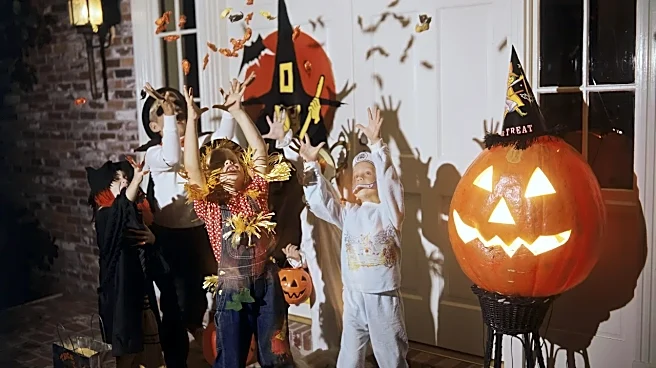
The Thanksgiving decorations in stores and school pageants have taught us to expect a uniform: black dresses, black coats, and stark white collars. This image presents the Pilgrims as austere, pious people who shunned worldly vanity for a monochrome existence. It’s a powerful visual shorthand that has stuck for generations, suggesting a life devoid of color. The problem is, this picture was painted nearly 200 years after the Mayflower arrived, reflecting the ideals of a later era, not the reality of 17th-century life. This somber costume is more of a 19th-century invention, born from Victorian romanticism that sought to portray the Pilgrims as figures of stern morality.
The Reality: A Wardrobe of Russets, Reds, and Violets
So, what did the Pilgrims actually wear? Probate records and estate inventories
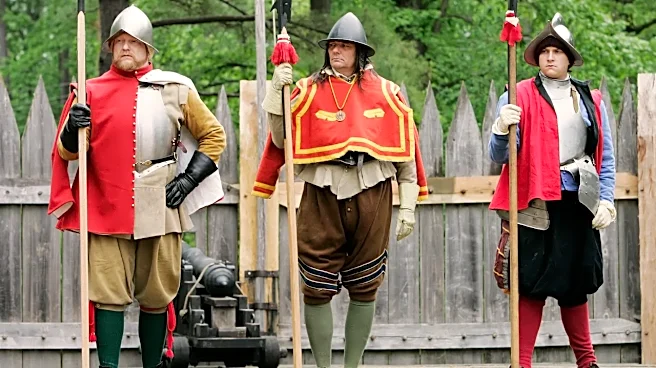
from Plymouth Colony, which meticulously listed a person's belongings after death, tell a very different story. These documents are a treasure trove of historical detail, listing garments in a surprising array of colors. People wore clothing in earthy greens, browns, and russets, but also vibrant blues, reds, and even violets. For example, Governor William Bradford’s inventory listed an 'old violett Coullered Cloake' and a 'red waistcoat'. Another colonist, Mary Ring, owned a 'Red petticote' and items of both violet and blue. Their religion did not forbid color; they were simply English people of their time, wearing practical clothes made with the natural dyes available.
The Status of Black Clothing
This isn't to say black clothing didn't exist. It did, but it wasn't an everyday uniform for the masses. In the 17th century, achieving a true, colorfast black dye was an expensive and difficult process. For this reason, a black outfit was often a person's 'Sunday best'—a formal garment worn for church, special occasions, or to have a portrait painted. It was a status symbol, a sign of wealth and sobriety, much like a tuxedo is today. Most portraits of the era show subjects in their finest clothes, which is one reason the image of wealthy Puritans in black eventually became conflated with the more modestly dressed, and more colorful, Pilgrims of Plymouth.
The Buckle Stops Here
And what about those oversized buckles on their hats, belts, and shoes? They are another piece of the myth. Buckles were not in fashion when the Pilgrims landed in 1620 and would not become common until much later in the 17th century. Even then, they were a luxury item. The Pilgrims, being practical and often of modest means, would have used simpler and cheaper leather laces or ties to fasten their shoes and breeches. The image of the buckled hat is largely a stereotype that became a popular visual shorthand for 'Pilgrim' in later art and theater, but it has no basis in the reality of their daily lives.
How the Myth Was Made
The black-clad, buckled-up Pilgrim image took hold in the 19th century. Artists and writers began to depict the Pilgrims not as they were, but as they imagined them to be: paragons of religious discipline. This interpretation was also influenced by a historical blurring of the Pilgrims with the Puritans, a different group who settled the Massachusetts Bay Colony a decade later. Some wealthier Puritans did wear fine black clothing, and over time, their image was projected back onto the Mayflower colonists. These Victorian-era paintings and stories were copied for textbooks and pageants, cementing a historical fiction into our collective memory of Thanksgiving.