



1. Perfect the Pan Gravy
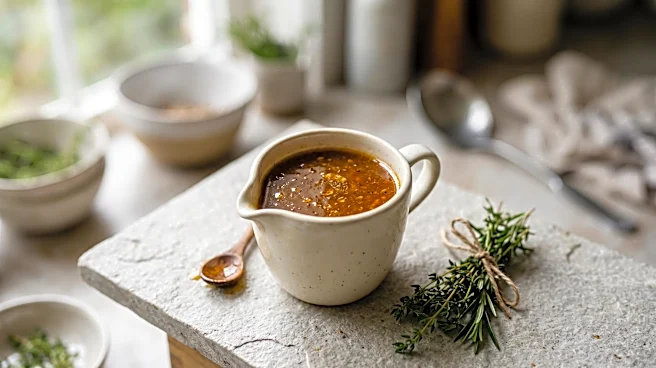
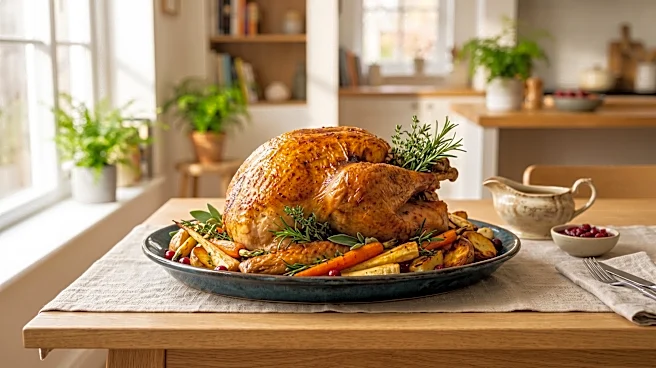
Let's start with the classic for a reason. A rich, homemade gravy is non-negotiable for many, and it all starts with those drippings. After transferring your turkey to a cutting board to rest, pour the contents of the roasting pan through a fine-mesh sieve into a measuring cup or a fat separator. Let it sit for a few minutes so the fat rises to the top. Skim off a few tablespoons of that flavorful fat and return it to the roasting pan set over your stovetop burners. Whisk in an equal amount of all-purpose flour to create a roux, cooking it for a couple of minutes until it smells nutty. Then, slowly whisk in the reserved defatted drippings, scraping up all the treasured browned bits from the bottom of the pan. If you need more liquid, supplement
with chicken or turkey stock until you reach your desired consistency. Simmer for 5-7 minutes until thickened, and season only after tasting—the drippings are already quite flavorful.
2. Build a Superior Soup Base
Tomorrow’s leftover turkey soup will thank you. Those drippings are a concentrate of roasted flavor that can transform a simple stock into something extraordinary. Once you've strained and chilled your drippings, the fat will solidify on top. You can scoop this fat off and save it for other uses (like frying potatoes or eggs), leaving you with a rich, gelatinous substance underneath. This is your flavor bomb. Add this jelly to your stockpot along with the turkey carcass, vegetables like onions, carrots, and celery, and water. As it simmers, the drippings will melt back into the liquid, infusing your soup with a deep, savory character that you simply can't get from a carton. It’s the difference between a good soup and a great one.
3. Roast Next-Level Vegetables
Why use plain olive oil when you can use schmaltz with an upgrade? Roasting vegetables in turkey drippings is a game-changer. The leftover fat coats vegetables like potatoes, Brussels sprouts, carrots, and onions, helping them crisp up beautifully while basting them in savory flavor. After skimming the fat from your drippings, simply toss your prepared vegetables in a few tablespoons of the liquid fat until they are lightly coated. You can even do this directly in the still-warm roasting pan for maximum flavor and one less bowl to wash. Spread them in a single layer on a baking sheet and roast at a high temperature (around 400-425°F) until tender and caramelized. The sugars in the vegetables will brown, enhanced by the rich, meaty essence of the drippings, creating a side dish that might just steal the show.
4. Bake Savory Biscuits or Buns
Infuse your baked goods with an incredible depth of flavor by swapping some of the butter or shortening in a recipe for solidified turkey fat. When making savory biscuits, scones, or even dinner rolls, you can 'cut in' the cold turkey fat just as you would with butter. This technique introduces layers of fat into the dough, which melt during baking to create flaky, tender results with a subtle, savory undertone that pairs perfectly with leftover turkey and gravy. Some recipes even call for incorporating the liquid drippings or leftover gravy directly into the dough for a richer, more cohesive 'leftover' biscuit, perfect for creating mini turkey pot pies or sandwiches.
5. Create a Warm, Umami-Rich Vinaigrette
This may be the most surprising use, but it’s a chef’s trick worth knowing. The defatted drippings—the savory jus, not the fat—can be whisked into a warm vinaigrette for a hearty winter salad. In a small jar or bowl, combine a spoonful of Dijon mustard, a splash of apple cider or white wine vinegar, and some finely chopped shallots. Then, instead of whisking in olive oil, slowly stream in the warm, liquid turkey jus. The process is similar to creating a classic French pan sauce. The resulting dressing is light yet packed with an umami punch that beautifully complements a salad of bitter greens, roasted squash, and leftover turkey. You can also use this flavorful liquid to liven up mayonnaise or Greek yogurt for a savory spread for day-after sandwiches.