



The Anatomy of a Lump
We’ve all seen it: that moment when a beautiful, simmering pan of drippings turns into a clumpy, flour-flecked mess. The mistake isn't just about speed; it's about science. The problem begins when your thickening agent, usually flour, is introduced to hot liquid improperly. Starch granules in the flour need to be individually coated in fat before they can absorb liquid and swell to thicken your sauce smoothly. When you pour broth or stock into your pan too quickly, or if you just sprinkle dry flour into hot drippings, the liquid immediately cooks the outside of each flour clump. This creates a gummy, waterproof barrier, trapping dry, raw-tasting flour inside. The result isn't a sauce; it's a collection of tiny, unappetizing dumplings that no
amount of desperate whisking at the end can fully fix.
Mastering the Roux: Your Gravy's Foundation
The secret to lump-free gravy lies in a simple, centuries-old technique: making a proper roux. A roux is a paste made from equal parts fat (like butter or turkey drippings) and flour. By cooking the flour in the fat first, you accomplish two essential things. First, you cook out the raw, chalky taste of the flour, developing a nutty, toasted flavor that deepens the longer you cook it. Second, you completely coat every single starch granule in a protective layer of fat. This fat acts like a raincoat, preventing the granules from clumping together when the liquid is finally introduced. To make it, melt your fat over medium heat, then whisk in the flour until you have a smooth, bubbly paste. For a classic turkey gravy, you’ll want to cook this mixture for 3-5 minutes, until it turns a golden caramel color and smells fragrant.
The Slow Stream to Success
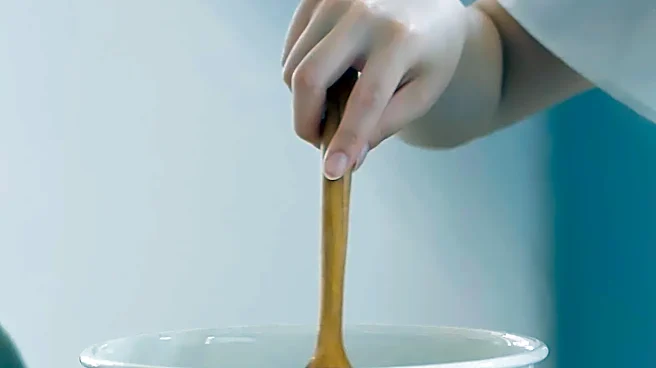
Once your roux is ready, it’s time to add the liquid. This is the moment where the headline's advice becomes paramount. Do not dump all your liquid in at once. Doing so will overwhelm the roux, causing it to seize up and break into clumps even after all your careful preparation. Instead, begin by adding your warm stock or broth just a little at a time—about a half-cup to start. Whisk constantly and vigorously as you pour. The mixture will thicken and may even look like it's seizing up, but trust the process. As you continue whisking, the paste will loosen. Once it’s smooth, you can begin adding the remaining liquid in a slow, steady stream, whisking continuously until it is all incorporated. This gradual method allows the fat-coated flour granules to absorb the liquid evenly, ensuring a silky, homogenous sauce.
Emergency Fixes and Final Flourishes
What if, despite your best efforts, you still spot a few lumps? Don't panic. The quickest and most effective fix is an immersion blender; a few seconds of blitzing directly in the pan will smooth it out instantly. If you don't have one, you can pour the gravy through a fine-mesh sieve into another pot, using a spoon to press the liquid through while the strainer catches the lumps. Once your gravy is smooth and simmering, remember to taste and season it at the very end. Pan drippings and broths can be very salty, and the flavor concentrates as the gravy reduces. Waiting until the end prevents you from accidentally over-salting. For a final touch of richness and shine, whisk in a tablespoon of cold butter or heavy cream just before serving.