



The Tradition We Inherited
Let’s be honest, washing a turkey feels right. It’s a tradition passed down through generations, rooted in the idea that we’re cleaning the bird of any impurities or lingering bacteria before cooking. In an era before modern processing, poultry might have arrived with feathers or dirt that needed removing. The instinct to 'clean' our food before eating it is strong, and a 2020 survey found that nearly 78% of people still wash or rinse their turkey before cooking, even though federal advice has recommended against it since 2005. But in today's kitchens, this well-intentioned step actually creates a new, invisible hazard.
The Science of the Splash Zone
The primary reason to skip the rinse is cross-contamination. Raw poultry can carry bacteria like Salmonella and Campylobacter.
When you run water over the turkey, it doesn't just wash these germs down the drain. Instead, it atomizes them, creating a fine mist of contaminated water that can splash as far as three feet from your sink. According to the USDA, this spray can land on countertops, cutting boards, utensils, and even other ready-to-eat foods, like the salad you have sitting on the counter. One USDA study found that 60% of sinks were still contaminated with bacteria after raw poultry was washed in them, and even after an attempted cleaning, 14% of those sinks remained contaminated. Essentially, washing the turkey gives these harmful germs a free ride around your kitchen.
Heat, Not Water, Is the Hero
So if water doesn't work, what does? The answer is simple: heat. Cooking the turkey to the proper internal temperature is the only way to destroy any illness-causing bacteria. The USDA and CDC both state that poultry is safe to eat only when it reaches an internal temperature of 165°F. Rinsing the bird in water, or even with vinegar or lemon juice, does not effectively kill surface bacteria. To be certain your turkey is safe, you must use a food thermometer. Check the temperature in three places: the thickest part of the breast, the innermost part of the thigh, and the innermost part of the wing, making sure to avoid the bone. Even if your turkey has a pop-up timer, a reliable food thermometer is the only way to guarantee it's done.
What to Do Instead for Crispy Skin
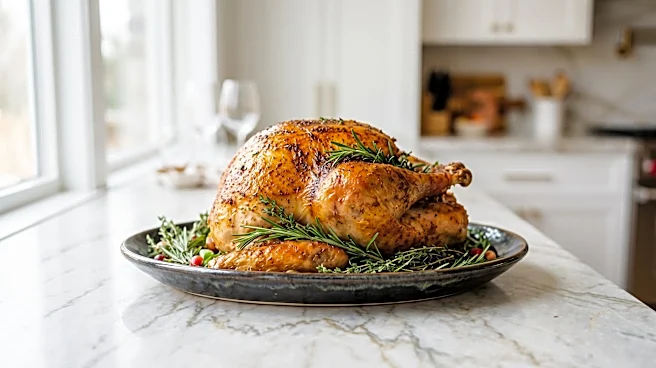
Not only is skipping the rinse safer, but it also leads to a better-tasting turkey. Moisture is the enemy of crispy skin. Instead of washing the bird, your first step after unwrapping it should be to pat it thoroughly dry, inside and out, with paper towels. This is the single most important step for achieving that golden, crackly skin everyone craves. For even better results, you can let the patted-dry turkey rest uncovered in the refrigerator overnight. The cold, circulating air acts as a natural dehumidifier, leaving the skin taut and ready to crisp up beautifully in the oven. From there, you can proceed with your favorite seasoning method, like rubbing it with oil, butter, or a dry brine.
A Quick Guide to Safe Handling
Food safety goes beyond just skipping the rinse. To keep your Thanksgiving feast safe, always follow a few core practices. First, wash your hands with soap and water for at least 20 seconds before and after handling the raw turkey. Use separate cutting boards—one for the raw turkey and another for vegetables and other ready-to-eat items. Never place cooked food on a plate or surface that previously held the raw turkey. Finally, after you're done prepping the bird, be sure to clean and sanitize any surfaces it may have touched, including the sink, faucets, and countertops, using hot, soapy water followed by a sanitizing spray.