




The holiday dessert table is a high-stakes arena where a soggy crust or bland filling can derail a festive meal. If you are opting for the convenience of frozen, knowing what to look for is the difference between a hit and a miss.
The Crust Integrity Test
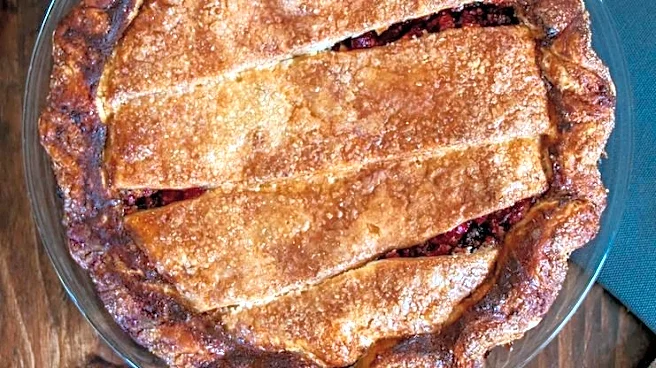
The crust is the structural foundation of any good pie, and in the frozen aisle, it is often the first thing to fail. When selecting a pie, look closely at the type of crust offered. Single-crust pies, like many pumpkin varieties, tend to hold their shape much better during slicing. Double-crust pies, particularly those with fruit fillings like apple, can be hit or miss. Some premium options offer a crackly, sugary topping that provides a much-needed textural contrast, while others may result in a soggy bottom or a broken
top once they emerge from the oven. If you want a clean slice, prioritize crusts that promise a flaky or short texture.
Spice Profile and Flavor Depth
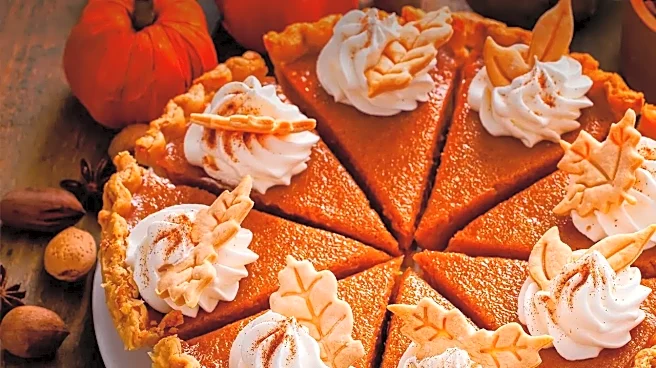
A common pitfall of mass-produced frozen pies is a lack of seasoning. A pumpkin pie that lacks warmth from cinnamon, nutmeg, or cloves can end up tasting bland or even watery. When reading labels or inspecting the product, look for descriptions that promise dimensionally spiced flavors rather than just sweetness. You want a filling that tastes like real ingredients—such as real pumpkin or real fruit—rather than a one-note sugar bomb. A great pie should balance acidity or spice against its sweetness to keep the palate engaged.
Texture and Consistency
Texture is where many frozen desserts fall short of home-baked standards. For custard-based pies like pumpkin, you are looking for a luscious, rich consistency that isn't too thin or watery. For nut-based pies like pecan, the goal is a balance between a gooey filling and a crunchy topping. However, be wary of pies that are described as overly thick or tacky, as this can lead to a heavy, unpleasant eating experience. The ideal pie offers a variety of textures, such as a crumbly crust paired with a smooth filling.
Ingredient Quality and Distribution
Check the ingredient list to see how much of the 'star' ingredient is actually present. In a high-quality pecan pie, for example, the nuts should be a prominent ingredient, not just a garnish on top. A common disappointment in budget-friendly options is when the premium toppings, like toasted pecans, are concentrated only on the surface while the filling remains plain. A superior pie will have a more even distribution of textures and flavors throughout every bite.
Serving Size and Yield
Don't let the weight of the box fool you into thinking you have enough for everyone. While some wholesale club pies can weigh over four pounds, the suggested serving size on the box is often optimistic. If you are feeding a large group, consider that many large pies can be cut into squares to yield more servings than traditional wedges. Always calculate your needs based on the actual weight and the number of guests to ensure you aren't left with a dessert shortage mid-celebration.
Baking Time and Preparation
Convenience is the main draw of frozen pies, but they are not always 'heat and eat.' Many high-quality frozen pies require significant oven time—sometimes over an hour—to achieve the proper bake and texture. Before you commit to a specific brand, check the preparation instructions. You don't want to realize halfway through your holiday prep that your dessert requires a much longer bake time than you had planned for.
The Price-to-Value Ratio
Finally, weigh the cost against the quality. Some pies are incredibly affordable, sometimes costing as little as fifty cents per serving, while more decadent, nut-heavy options can be significantly more expensive. A higher price tag doesn't always guarantee a better pie, but it often reflects better ingredients like real butter or premium nuts. Compare the price per ounce to ensure you are getting a fair deal for the quality you are bringing to the table.