




The Mysteriously Dry Turkey
The number one fear in any Thanksgiving kitchen is a dry, tough turkey. It’s easy to point a finger at the oven for running too hot, but the real issues usually happen long before the bird goes in and right after it comes out. The first mistake is improper thawing or skipping a brine. A fully thawed turkey cooks more evenly, while a simple dry or wet brine helps the meat retain moisture. The second error is relying on the pop-up timer; these are notoriously inaccurate and often pop only after the bird is already overcooked. A digital meat thermometer is your best friend—pull the turkey when the thigh hits 165°F. Finally, and perhaps most importantly, you must let the turkey rest for at least 20 to 30 minutes before carving. Slicing it immediately
causes all the juices to spill out onto the cutting board, leaving the meat dry. Resting allows those juices to redistribute, ensuring a moist, flavorful result.
Gravy That's Lumpy and Lifeless
Lumpy gravy is a classic Thanksgiving blunder, but it has nothing to do with your burner's heat setting. The lumps are simply clumps of flour or cornstarch that seized up when they hit hot liquid too quickly. The key to smooth gravy is technique. First, create a proper roux by whisking flour into melted fat (like butter or turkey drippings) and cooking it for a minute before slowly adding your stock. This coats the starch granules in fat, preventing them from clumping. If you're using a cornstarch slurry, always mix it with cold or cool liquid before whisking it into the simmering gravy. If you still end up with lumps, don't despair. The fastest fix is an immersion blender, which will smooth the gravy out in seconds right in the pot. No immersion blender? Simply pour the gravy through a fine-mesh sieve to strain out the lumps.
Mashed Potatoes That Turn to Glue
When mashed potatoes become dense and gluey, it’s not a heat problem; it’s a starch problem. Potatoes are full of starch, and when those starch cells are overworked, they rupture and release a sticky substance. The two biggest culprits are using the wrong type of potato and overmixing. For light, fluffy mashed potatoes, choose high-starch varieties like Russets or Idaho potatoes. Waxy potatoes, like red potatoes, have less starch and can become gummy when mashed. The second mistake is using a tool that's too aggressive, like a food processor or blender. These machines shred the starch cells. For the best texture, use a potato ricer or food mill. If using an electric mixer, mix on low and stop as soon as they become smooth. Overworking them, even for a minute too long, can turn them from fluffy to gluey.
The Dreaded Soggy Bottom Pie
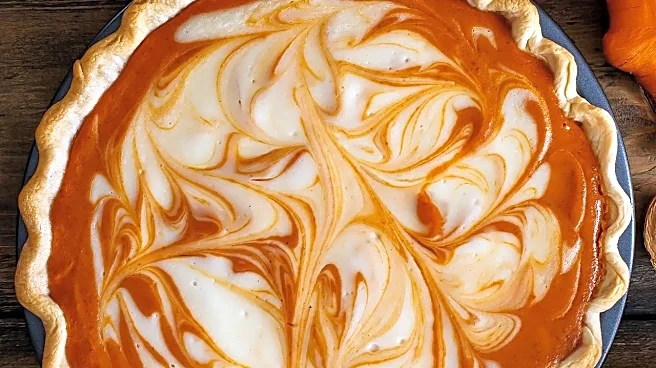
A perfectly baked pie with a soft, undercooked bottom crust is a huge letdown. This happens when a wet filling soaks into the raw dough before it has a chance to bake and set. Several non-stove-related tricks can prevent this. The most effective method is 'blind baking'—partially or fully baking the crust before adding the filling. This creates a firm, moisture-resistant layer. You can also create a waterproof barrier by brushing the bottom of the unbaked crust with a beaten egg white, which cooks quickly and forms a seal. Another baker's trick is to sprinkle a thin layer of 'crust dust,' a mix of flour and sugar, on the bottom before adding a fruit filling to absorb excess moisture. Finally, placing your pie pan on a preheated baking stone or steel helps transfer heat to the bottom of the crust quickly, ensuring it gets crisp.
Stuffing That's Either Soup or a Brick
The ideal stuffing is moist and tender in the middle with a crisp top, but it often ends up either mushy or bone-dry. This is a moisture management issue, not an oven temperature problem. The most common mistake is using fresh bread. Soft, fresh bread quickly turns to mush when liquid is added. For the best texture, use stale, dry bread cubes that can absorb the broth without falling apart. Another misstep is an incorrect bread-to-liquid ratio. Adding too much liquid creates a soupy mess, while too little results in a dry, crumbly brick. Add your stock gradually until the bread is moist but not saturated. Finally, cooking stuffing inside the turkey is a primary cause of sogginess and poses a food safety risk, as the stuffing may not reach a safe temperature. Baking it separately in a casserole dish allows you to control the moisture and ensures it cooks evenly with a perfectly browned top.