


1. Choose a Solid, Rich Color Palette
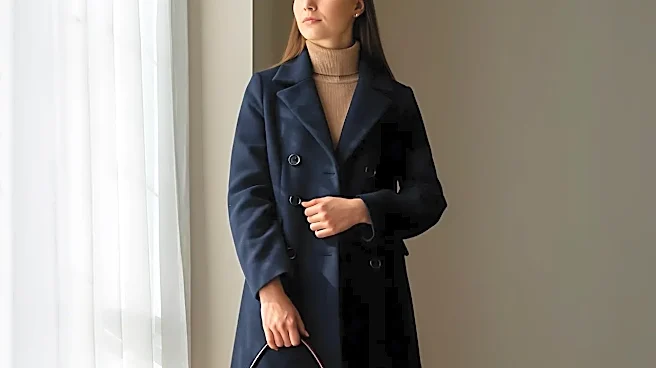
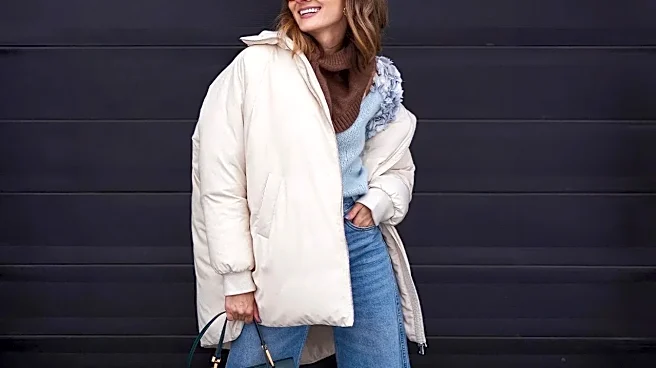
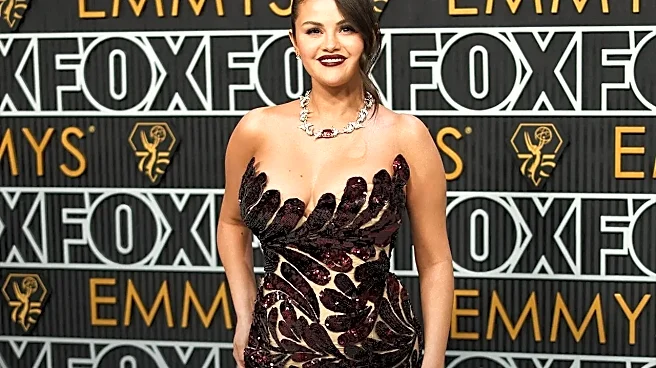
The fastest way to make an accessory pop is to set it against a clean backdrop. Busy patterns and loud prints inevitably compete for attention, forcing your grandmother's delicate locket or father's vintage watch to fight for the spotlight. Instead, opt for a monochromatic or solid-color outfit in a rich, seasonal hue. Deep tones like navy blue, emerald green, charcoal gray, or burgundy create a powerful contrast, especially for gold and silver pieces, making them appear more vibrant. A simple black turtleneck or a cream-colored cashmere sweater becomes the perfect, gallery-like canvas. This strategy allows the heirloom—with its intricate details and unique history—to be the singular focus, drawing the eye exactly where you want it to go.
2. Select a Strategic Neckline or Sleeve
The
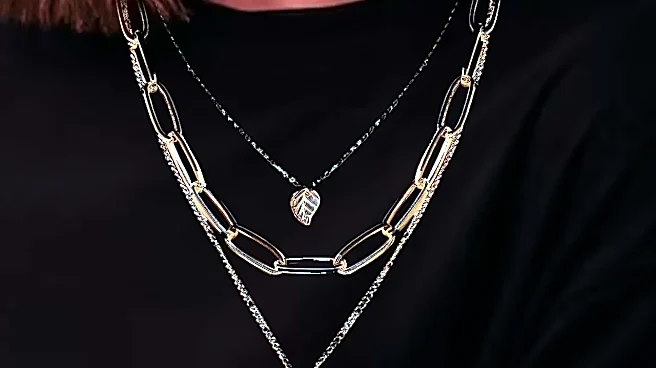
cut of your clothing can act as a frame for your jewelry. To highlight a beloved necklace, choose a neckline that gives it space to shine. A scoop neck or a V-neck naturally draws the eye downward, creating a perfect stage for a pendant. A classic crewneck allows a shorter chain to rest cleanly on the collarbone, while a turtleneck provides a high-contrast background that makes a metal or gemstone glow. The same logic applies to bracelets and rings. A three-quarter sleeve or a neatly cuffed long sleeve ensures a family bracelet or ring is always visible, rather than getting lost under a fussy or overly long sleeve. By thinking of your sleeves and neckline as part of the presentation, you ensure the heirloom isn't just an add-on, but an integrated part of a thoughtful look.
3. Embrace Minimalist, Unfussy Silhouettes
Just as patterns can be distracting, so can overly complex silhouettes. Ruffles, elaborate drapes, and excessive layers create visual noise that can easily overwhelm a single, meaningful piece of jewelry. A simple sheath dress, a well-tailored pair of trousers with a silk blouse, or a classic sweater-and-skirt combination provides a clean canvas. These minimalist looks rely on good tailoring and simple lines rather than complicated design elements. This 'less is more' approach creates an air of quiet confidence and sophistication. It signals that the focus of your ensemble isn't the clothing itself, but the story you're choosing to tell with your heirloom accessory. Let the heirloom be the statement, and let the outfit be its elegant, understated support.
4. Prioritize Texture Over Pattern
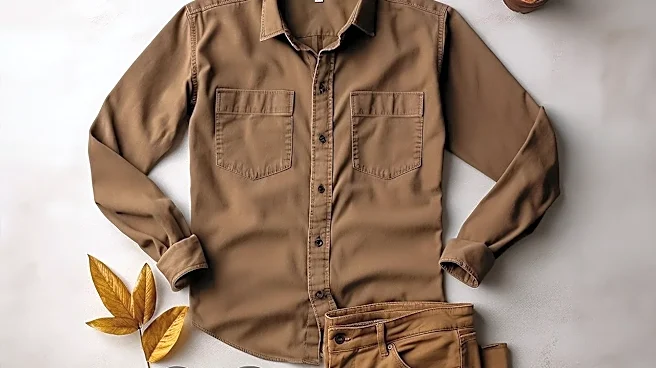
A simple outfit doesn't have to be a boring one. If you're skipping patterns, you can still create a visually interesting and luxurious look by focusing on texture. A soft cashmere knit, a smooth silk blouse, a rich velvet blazer, or fine-wale corduroy pants all add depth and dimension to your outfit without creating a busy background. These materials feel cozy and seasonally appropriate for a Thanksgiving gathering, but their uniform surface doesn't compete with the shine of a metal or the cut of a gemstone. A cable-knit sweater, for example, offers beautiful texture that complements, rather than clashes with, a vintage brooch pinned to the shoulder. This approach allows you to build a look that is both tactilely appealing and visually supportive of your heirloom.
5. Let the Heirloom Tell Its Story Solo
Often, the desire is to accessorize an entire outfit. But when showcasing a piece with deep sentimental value, the most powerful move can be to let it be the only accessory. If you're wearing your great-aunt's stunning Art Deco earrings, consider forgoing a necklace. If you're wearing a cherished family ring, maybe skip the bracelet on that arm. This allows the one special piece to have its own moment. Over-accessorizing can dilute the impact and make a treasured item feel like just another part of a costume. By letting one heirloom be the star, you elevate its status from mere decoration to a true centerpiece. You're not just wearing jewelry; you're wearing a memory, and giving it the space and respect it deserves.