

The Thanksgiving feast is over, but the cleanup has just begun. Before you toss that beautiful, 'washable' tablecloth in the machine, pause. Not all fabrics are created equal, and the wrong cycle can mean disaster for your treasured linens.
First, Triage the Stains
Before your tablecloth even sees the inside of a washing machine, it's time to play stain detective. The key is to act fast, as heat from a washer or dryer can set many common Thanksgiving spills permanently. For gravy or butter, gently scrape off any solids, then sprinkle the spot with cornstarch or baking soda to absorb the oil before washing. Red wine and cranberry sauce, which are dye-based stains, should be blotted immediately with a clean cloth—never rubbed. Flushing the stain from the back of the fabric
with cool water can help push the pigment out instead of deeper in. Always pretreat stains according to their type before the main wash, as this single step is often more critical than the wash cycle itself.
The Naturals: Cotton and Linen
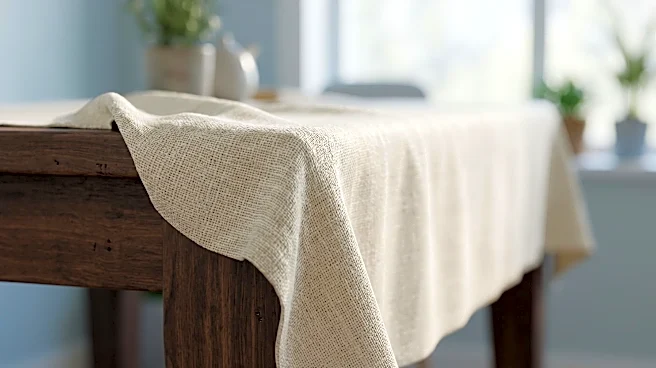
Cotton is the workhorse of table linens, known for its durability. White cotton tablecloths can typically handle a hot water wash (around 140°F or 60°C) to tackle tough stains and keep them bright. For colored cotton, stick to a cooler 100°F (40°C) to prevent the colors from bleeding. Linen, while strong, requires a bit more finesse. It’s prone to wrinkling, so a gentle cycle with cold water and a low spin speed is your best bet to minimize creases. Linen also gets softer with each wash, but you should never use a hot dryer, which can cause it to shrink and weaken the fibers. For both cotton and linen, removing them from the washer or dryer immediately is crucial to prevent deep-set wrinkles.
The Synthetics: Polyester and Blends
Polyester tablecloths are popular for a reason: they are wrinkle-resistant, durable, and generally easy to care for. Most can be machine washed in cool or warm water on a normal cycle. One pro tip is to avoid washing polyester with cotton items, as the lint from the cotton can cling to the polyester fibers, creating a pilled look. For polyester-cotton blends, follow the care instructions for the more delicate fiber, which usually means cooler water and lower heat. One thing to avoid with many modern stain-resistant polyester cloths is fabric softener, which can break down the protective coating.
The Delicates: Lace and Embroidery
If your Thanksgiving table features an heirloom tablecloth with lace or detailed embroidery, machine washing can be risky. The agitation can snag delicate threads and cause irreparable damage. Hand washing is the safest route. Use cool water and a mild detergent, letting the tablecloth soak for a bit before gently swishing it. Never wring or twist the fabric to remove water; instead, gently press the water out. If you must use a machine, place the tablecloth in a mesh laundry bag and select the most delicate, cold-water cycle your machine offers. Always air dry these pieces flat, away from direct sunlight, which can fade colors and weaken the fibers over time.
The Final Step: Drying and Storing
The job isn't finished once the wash cycle ends. Never put a tablecloth in the dryer if any stains remain, as the heat will likely make them permanent. For fabrics like linen, air drying is best to prevent shrinkage and excessive wrinkling. If you do use a machine, choose the lowest heat setting and remove the cloth while it's still slightly damp. This makes ironing much more effective. For the smoothest finish, iron your tablecloth on the reverse side while it is still damp. Once clean and dry, store your linens by rolling them instead of folding to prevent sharp creases, ensuring they are ready for your next holiday gathering.