
A Symphony of Softness
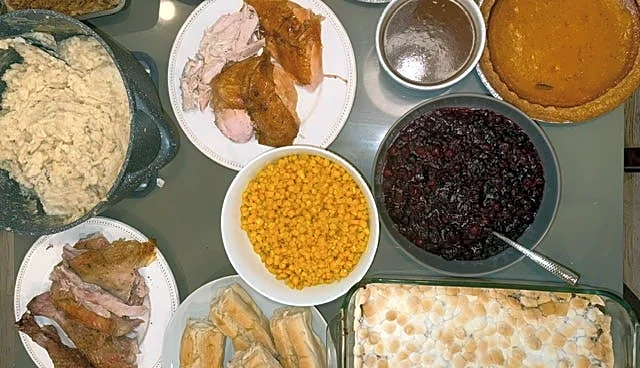
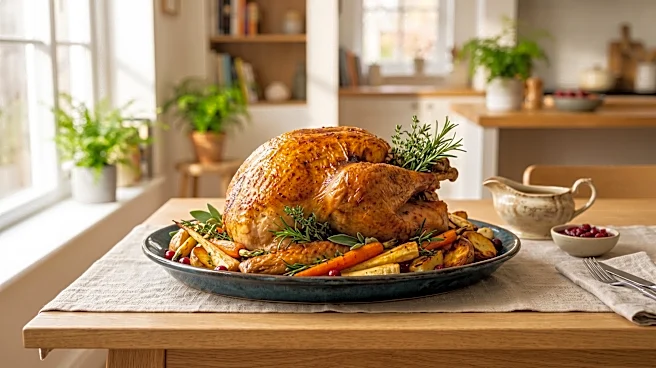
The traditional Thanksgiving meal is a textural monolith. We have creamy mashed potatoes, pillowy stuffing, tender turkey, and velvety gravy. We have sweet potato casserole that’s more dessert than vegetable and green bean casserole held together by cream of mushroom soup. Each dish is delicious in its own right, a comforting hug on a plate. But when assembled, they can create a culinary fatigue. Bite after bite of rich, heavy, and soft food can overwhelm the palate, making everything start to taste the same. It’s not a failure of any single dish, but a systemic lack of contrast. Without something to break up the monotony, the meal can feel heavy and one-note, leading to that all-too-familiar post-dinner slump.
The Power of a Palate Reset
This is where the salad comes in,
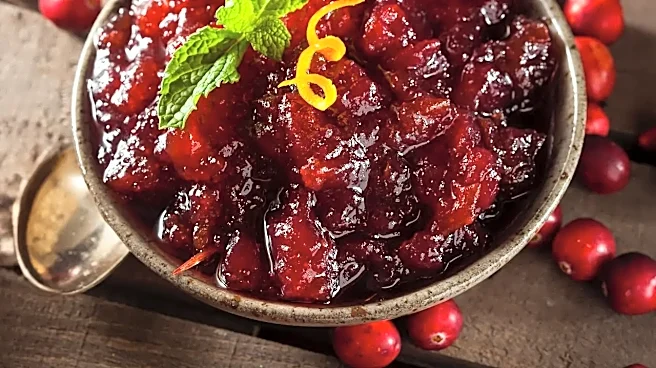
and not just any salad. We’re not talking about a few sad leaves of iceberg with a bottled ranch. We need a salad with purpose. We need crunch and we need acid. Acidity is the secret weapon in a chef's arsenal for a reason. A sharp vinaigrette made with lemon juice or a good vinegar cuts through the richness of fats like butter and gravy, brightening up the entire plate. It acts as a palate cleanser, waking up your taste buds and making you appreciate the next bite of turkey or stuffing even more. As food writer Samin Nosrat has noted, that's why cranberry sauce is so essential; its tartness provides a necessary contrast to the meal's richness. A proper salad offers this same benefit, but with an added dimension: texture.
An Argument for Crunch
Texture is just as important as flavor. The physical sensation of eating—the mouthfeel—adds a critical layer to the dining experience. The satisfying crunch of a toasted nut, the crisp snap of a raw vegetable, or the juicy burst of a pomegranate seed provides a delightful counterpoint to the soft textures dominating the Thanksgiving table. It keeps things interesting. Sturdy greens like radicchio, endive, or even shaved Brussels sprouts hold up well on a buffet and offer a pleasant bitterness that complements sweet and savory flavors. This isn’t about adding a “healthy” option to the table out of obligation; it’s about making every other dish taste better by providing a moment of crisp, fresh relief.
How to Build the Perfect Counterpoint
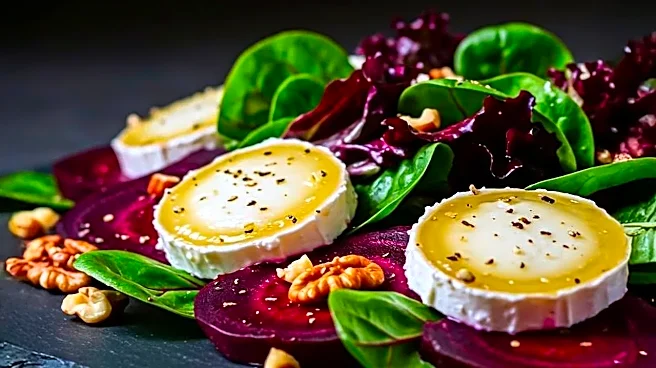
Constructing the ideal Thanksgiving salad is about bold choices. Start with a base of bitter or sturdy greens like radicchio, frisée, shredded kale, or shaved Brussels sprouts. Add a sweet element to balance the bitterness, such as sliced pear, apple, persimmon, or dried cranberries. For the all-important crunch, think toasted walnuts or pecans, salty pumpkin seeds, or pomegranate arils. Crumbled cheese like goat cheese, feta, or blue cheese can add a creamy, tangy element. Finally, the dressing must be assertive. A simple vinaigrette with a sharp base like red wine, champagne, or cider vinegar, whisked with good olive oil and a touch of Dijon mustard and honey, is perfect. This combination creates a salad that isn't just a side dish but an integral part of the meal's architecture.