






Hosting your first Friendsgiving is a huge milestone. Before you get lost in a sea of tiny pumpkins and scented candles, a little planning goes a long way. Making a few key decisions upfront will make decorating easier, cheaper, and more fun.
Decision 1: What’s the Vibe?
Before you buy a single decoration, decide on the overall atmosphere. Are you aiming for a cozy, casual potluck with mismatched plates and board games? Or is this a slightly more 'grown-up' affair with a coordinated look and feel? There’s no wrong answer. Some popular themes include rustic farmhouse, modern neutral, or even a moody, candlelit dinner. A theme doesn't have to be complicated; it can be as simple as 'cozy and warm' or 'bright and modern'. This choice will guide every other decision, from the color
palette to the centerpiece, ensuring your decor feels cohesive rather than chaotic.
Decision 2: What’s Your Budget?
Friendsgiving is notoriously more casual and budget-friendly than its formal family counterpart, and your decor can reflect that. Decide on a realistic budget before you start shopping. You can create a warm, inviting table for as little as $35 to $40 by shopping at grocery stores instead of home decor boutiques. Think about what you can borrow or use that you already own. Focus your spending on one or two elements that will make a big impact, like a fresh eucalyptus garland for the table or some quality taper candles. For everything else, consider DIY options. A kraft paper table runner costs a few dollars and can be personalized with guests' names or gratitude prompts. Natural elements like pinecones, acorns, or branches from the yard are free and add an authentic touch.
Decision 3: What’s Your Color Palette?
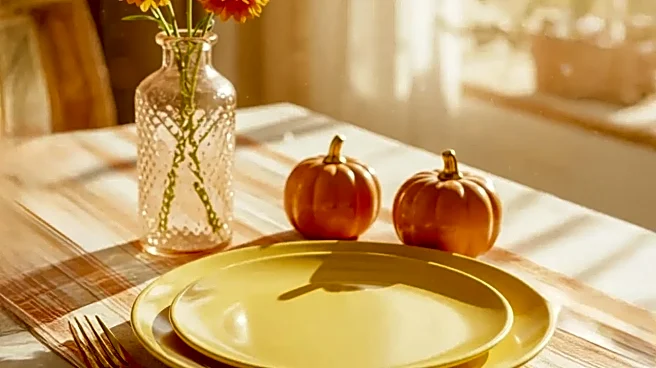
The traditional autumn palette of burnt orange, deep red, and golden yellow is a classic for a reason. But you don't have to be limited by it. For a more modern and sophisticated feel, consider a neutral palette of cream, beige, and sage green. Alternatively, a moody and dramatic look can be achieved with deep plums, oxblood, and antique gold. Some hosts even opt for a complete departure with bright, playful colors like pink and purple or cool blues to create a unique atmosphere. The key is to pick two or three main colors and repeat them throughout the space—in your napkins, candles, and other small accents—to make everything look intentional.
Decision 4: Where Is Your Focal Point?
You don't need to decorate every square inch of your home. Instead, choose one or two focal points to concentrate your efforts. For most, the dining table is the natural star of the show. A beautiful centerpiece, layered linens, and thoughtful place settings can make the entire room feel festive. Another popular option is a dedicated photo booth area, which can be as simple as a fall-themed banner or a balloon garland against a wall. If your space is small, you might make a buffet or drink station the decorative highlight, freeing up space on the dining table itself. Focusing your energy and budget on one area creates a bigger impact than spreading small decorations thinly throughout the house.
Decision 5: What Will Be Personal vs. Store-Bought?
The charm of Friendsgiving often lies in its personal touches. Decide where you want to invest your time with DIY projects and where it makes more sense to buy pre-made items. Place cards are a perfect opportunity for personalization, whether they're handwritten on cardstock, tied to mini pumpkins, or even written on dried orange slices. A 'gratitude wall' with sticky notes or a chalkboard sign also adds a meaningful, interactive element. On the other hand, buying things like string lights, a pre-made floral arrangement, or a festive banner can save you valuable time and stress during a busy hosting week. Strike a balance that plays to your strengths and allows you to enjoy the day with your friends.