




The sight of a frozen turkey priced at 49 cents a pound is a siren song for inflation-weary families. But before you load up the cart, it is worth asking if that deal is a gift or a clever trap.
The lure of the loss leader
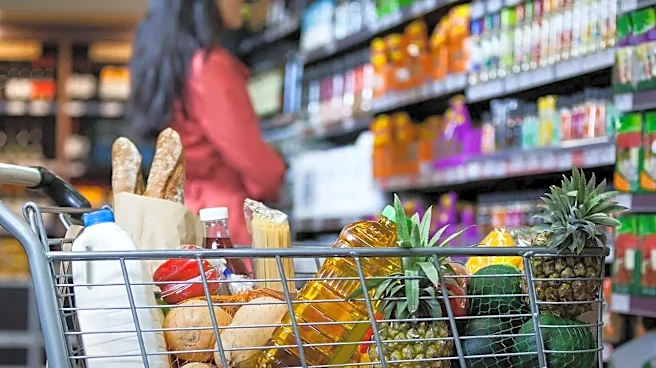
If you have walked through the aisles of a Stop & Shop or a Wegmans this week, you have likely seen the aggressive signage touting complete holiday meal deals. These bundles, often priced between $30 and $40, promise to feed anywhere from six to ten people. On the surface, it looks like a massive win for your wallet. However, there is a calculated strategy behind these prices. In the world of retail, these are known as loss leaders. Retailers are often willing to sell a centerpiece item, like a turkey, at or even below cost because they know it acts as a magnet.
They are not just selling you a bird; they are selling you the opportunity to walk through their doors.
The math behind the meal deals
To understand the value, you have to look at how these bundles are constructed. Most of these deals rely heavily on store-brand items to keep costs down. For example, Wegmans offers a loyalty-card deal that provides a stuffed turkey, green bean casserole, potatoes, and cornbread for about $36. Without the deal, those same items would cost nearly $70. Other giants like Target and Walmart are competing fiercely, with Target offering a six-person meal for $30 and Walmart promising a ten-person feast for $35. While the savings are real, the composition of the meal varies wildly. One store might include microwaveable mashed potatoes, while another might swap them for macaroni and cheese. The 'deal' is only as good as the ingredients you actually want to eat.
The hidden cost of the 'complete' meal
The real question is whether the discount on the turkey offsets the extra spending triggered by the trip. When you head to the store specifically for a $39 Aldi bundle that feeds ten, you are rarely just buying those specific items. Retailers are banking on the 'while I am here' effect. You might go in for the turkey and the stuffing, but you will likely leave with the beverages, the dessert toppings, the extra sides, and the household essentials you realized you were low on. As one shopper noted, even small additions like extra vegetables can quickly eat into the savings. The goal for the retailer is to ensure that once you have committed to their store for the centerpiece, you build the rest of your holiday around their inventory.
The rising cost of the bird
The reason these discounts feel so significant is that turkey prices have been climbing. The average price for a 16-pound turkey has risen about 10 percent compared to last year, hovering around $23.68. When a local grocery store offers a frozen turkey for just over $6, it feels like a massive victory against inflation. This price gap is exactly what retailers exploit. By offering a turkey at a price that seems impossible compared to the national average, they create a sense of urgency and necessity that drives foot traffic.