


The Tyranny of the Single Oven
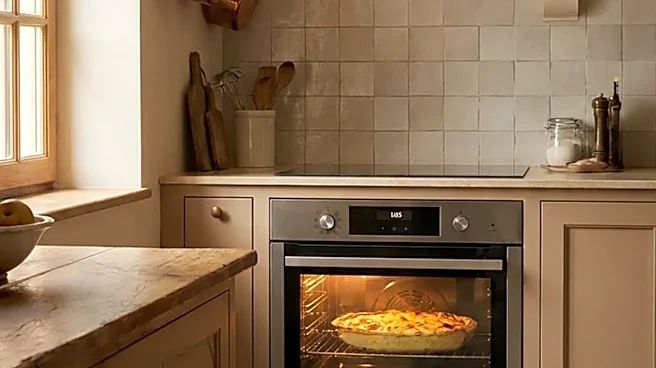
Let’s be honest: Thanksgiving dinner is a project management problem with a gravy boat at the end. The most beautiful menu is useless if you can't physically cook it. The entire meal orbits around one appliance, which is usually occupied for hours by a massive turkey roasting at a stubbornly specific temperature. A typical 14-pound turkey, for example, might need around 3.5 hours at 325°F. That’s 3.5 hours where nothing else requiring a different temperature—say, 375°F or 425°F—can even think about getting in there. Any useful recipe collection shouldn't just tell you what to cook; it should tell you how to cook it within the physical constraints of a normal kitchen. It needs to acknowledge the brutal competition for oven real estate.
The Oven Hogs: Handle with Care
First,
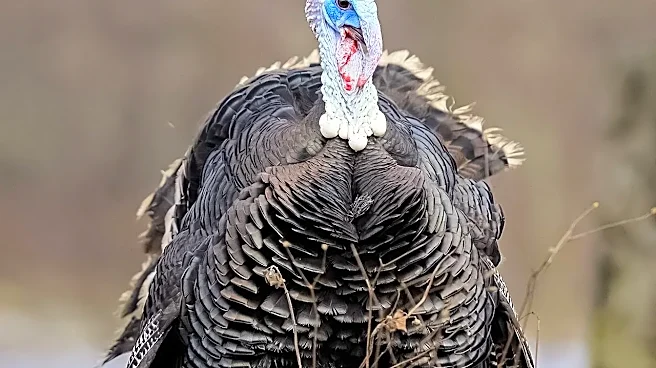
you must identify the 'Oven Hogs'. These are the dishes with long bake times or inflexible temperature demands. The undisputed king is the turkey itself, which camps out for hours. But others are nearly as demanding. A classic bread stuffing, baked separately for that crispy top, often needs 45 to 60 minutes at 350°F or 375°F. Sweet potato casserole, another star, can require up to 30 minutes at 375°F, and that’s after the potatoes might have been roasted for an hour beforehand. These dishes are non-negotiable for many, but they form the rigid backbone of your schedule. You can't improvise their oven time. Planning your entire cooking timeline starts with mapping out when and for how long these hogs need the oven. They are the big rocks you must place in the jar first.
The Quick-Change Artists: Your Flexible Friends
In the next category are the dishes that are more adaptable. These are your 'Quick-Change Artists'—sides that bake relatively quickly or are forgiving on temperature. The classic green bean casserole is a prime example; most recipes call for about 20-30 minutes at 350°F, a temperature it often shares with stuffing. This makes it a great candidate to slide into the oven while the turkey is resting. Dinner rolls that need warming, macaroni and cheese that just needs a final browning, or a gratin that can bake alongside something else all fall into this group. The key is to find recipes that can either bake in under 30 minutes or don't have a meltdown if the oven is 25 degrees warmer or cooler than specified. These are the supporting players who fill the gaps in your oven schedule.
The Unsung Heroes: No Oven Required
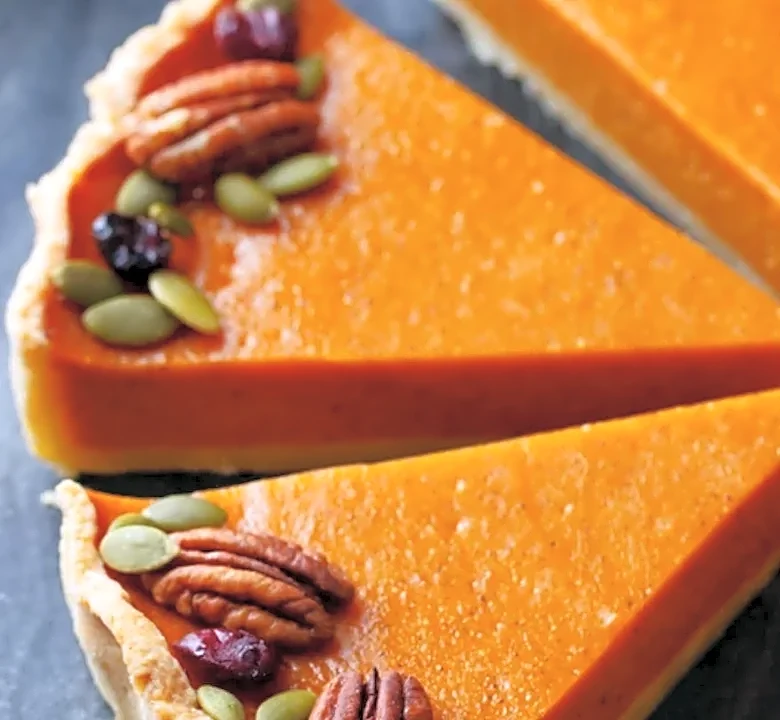
Finally, we celebrate the true MVPs of Thanksgiving Day: the 'No-Oven-Needed All-Stars'. Every dish you can fully or mostly prepare on the stovetop, in a slow cooker, or serve at room temperature is a victory. Creamy mashed potatoes can be made on the stove and kept warm. Cranberry sauce is a classic stovetop creation. Many vibrant, crunchy salads with fall ingredients like apples, fennel, or kale require nothing more than a knife and a bowl, offering a much-needed fresh contrast to the richer dishes. And don't forget about dessert. An army of no-bake options, from pumpkin cheesecakes to chocolate tiramisu, can be made a day ahead, leaving your oven free and your sanity intact. Leaning heavily on these recipes is the secret to a relaxed and successful Thanksgiving.
How to Build a Battle Plan for Your Oven
So, how do you apply this? Simple: perform an 'oven audit' on your menu. Grab your recipes and a piece of paper. First, schedule your turkey. Then, find the window after it comes out to rest—that's your prime time for hot sides. Can the stuffing and a casserole bake together at 350°F during that 45-minute rest period? Great. Which dishes can you convert to a stovetop or slow-cooker method? Do it. Can you make three things on Wednesday, including a no-bake dessert and your cranberry sauce? You're winning. By categorizing your dishes by their oven dependency, you transform a list of recipes into a workable plan. You stop seeing a menu and start seeing a timeline, which is the only way to truly conquer the day.