


The Hero Complex in the Kitchen
For many Thanksgiving hosts, a perfect meal feels like the ultimate expression of love and competence. We plan for weeks, brine the turkey, and create a Tetris-like schedule for the oven. This desire for control often stems from anxiety and a fear of chaos. When a guest's dish doesn't meet our high standards, it can feel like a direct threat to the day's success. The urge to swoop in and 'rescue' the dish isn't just about the food; it's about managing our own stress and trying to maintain a perfect, idealized version of the holiday. We tell ourselves we're saving the meal, but often, we're just feeding our own need to be the hero of the day. This drive is powerful, but it completely misses the point of a shared meal.
Why 'Fixing' It Is Quietly Insulting
Imagine your cousin, who
rarely cooks, spent hours proudly making their grandmother's famous cornbread. They arrive, beaming, only to watch you whisk it away to the kitchen for 'a little touch-up.' Your well-intentioned rescue operation sends a clear, albeit unspoken, message: 'Your contribution isn't good enough.' It devalues their effort and can make them feel embarrassed or inadequate. A potluck-style Thanksgiving is a group effort, and every contribution is part of the collective feast. By appointing yourself the ultimate quality control inspector, you undermine the spirit of sharing and collaboration. You're turning a communal meal into a one-person show with a supporting cast, and that's a recipe for hurt feelings, not holiday cheer.
You're a Host, Not a Head Chef
The primary job of a Thanksgiving host is not to curate a five-star menu. It’s to create a warm, welcoming environment where people can connect and feel appreciated. Your role is to facilitate joy, not to police the parsley. Etiquette experts agree that a host's main responsibilities are logistical: providing the main course, coordinating the menu to avoid duplicates, and ensuring there are enough plates and utensils. Once you've done that, your job is to graciously accept what your guests bring. That includes store-bought pies, lumpy mashed potatoes, and stuffing from a box. Welcoming every dish, regardless of its culinary pedigree, shows that you value the person who brought it more than the perfection of the plate.
The Graceful Art of Letting Go
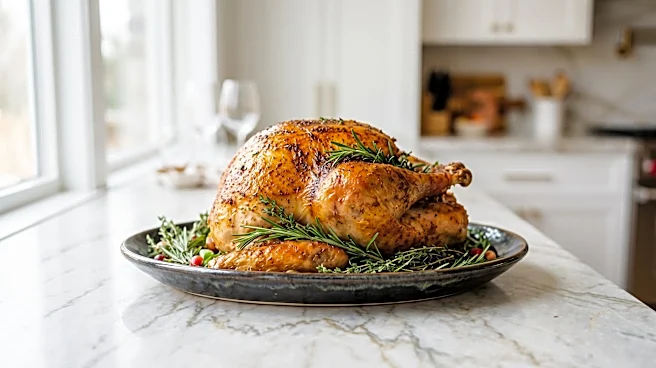
Letting go doesn't mean resigning yourself to a terrible meal. It means planning smarter. First, assign specific categories—like 'vegetable side,' 'potato dish,' or 'dessert'—so you have a balanced menu. If you're worried about a particular guest's cooking skills, assign them something low-risk, like rolls, drinks, or a simple salad. Second, control the core elements yourself. If perfect gravy and a juicy turkey are non-negotiable for you, make them yourself and consider everything else a bonus. Finally, and most importantly, adjust your mindset. The goal is a happy, low-stress gathering. A slightly burnt side dish often becomes a funny family story; a stressed-out, micromanaging host just makes everyone uncomfortable. Embrace imperfection and choose gratitude over grievance.
What If a Dish Is Truly a Disaster?
Sometimes, a dish isn't just imperfect—it's inedible or even a potential health hazard (like dangerously undercooked poultry). In these rare cases, you can intervene, but with subtlety. Don't announce the problem to the room. Quietly 'forget' to put the dish out or place it at the far end of the buffet table where it’s less likely to be noticed. If it’s a food safety issue, you have the right to discreetly dispose of it without a public announcement. The key is to handle it without shaming the guest. There will be plenty of other food. Focus on the abundance, not the one item that didn't work out. No one needs to know about the rescue mission that happened behind the scenes.