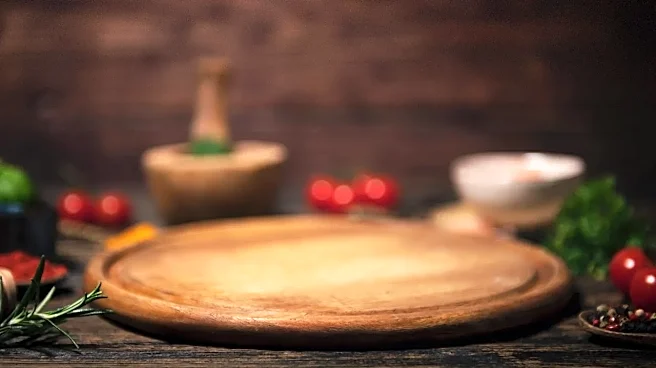





The juice groove is the siren song of the Thanksgiving carving board, promising a mess-free feast. But a deep trench won't save a dinner if your board is too small or too heavy to lift.
The Myth of the Perfect Groove
We have all seen them in the kitchen aisle: heavy wooden slabs with deep, winding trenches designed to catch every drop of poultry nectar. It is easy to fall into the trap of thinking the juice groove is the most important feature, but it is often a trade-off. A deep groove might prevent a countertop flood, but it also eats into your actual carving real estate. If you are working with a large bird, you need flat, unobstructed space to maneuver your knife and stabilize the carcass. Before you commit to a high-walled perimeter, consider if you actually need a pour
spout for gravy or if a simple, wide groove is enough to keep the mess contained without sacrificing your workspace.
Size Matters More Than Weight
When shopping, do not just look at the weight of the wood; look at the footprint. A board might look massive in a photo, but once you place a 20-pound turkey on it, you might realize there is no room left for your hands or the sliced meat. However, there is a catch: an oversized board that looks great on a massive island might be a nightmare in a compact kitchen. You need to measure your counter space and your storage shelves before you buy. An extra-large board is useless if it won't fit in your cabinet or if it becomes too heavy and awkward to lift once it is wet and loaded with food.
Stability and the Accessory Trap
Many specialty boards come equipped with built-in spikes or lifters to help steady a slippery bird. While these can be helpful for beginners or particularly large turkeys, they add complexity to your cleanup. You have to wash more parts, and those same spikes might make the board useless for everyday chopping. Before paying a premium for a board with integrated tools, check your utensil drawer. You might already own the carving forks and lifters you need, making a simpler, flatter surface a much more versatile and easier-to-clean choice for the rest of the year.
The Versatility Test
If you are looking for value, consider a reversible board. These are designed with a carving side and a flat side for everyday prep work. It sounds like a win-win, but use caution. A board with deep grooves or built-in spikes might be great for the bird, but the second side might be too uneven for slicing vegetables or prepping dough. A truly versatile board is one where the non-carving side is actually functional for daily kitchen tasks. If you choose this route, remember the golden rule of wooden boards: never leave them submerged in water, or they will warp before next Thanksgiving rolls around.