
What to Look for in a Great Sheet Pan
Before you can unlock its potential, you need to choose the right pan. Look for one made from heavy-gauge aluminum or aluminized steel. These materials offer the best of both worlds: aluminum's excellent, even heat conduction for uniform browning and steel's strength, which prevents the pan from warping under high heat. A flimsy, thin pan is prone to buckling, which can lead to uneven cooking. Also, insist on a pan with a rimmed edge. That one-inch lip is crucial for containing roasting vegetables, catching juices, and preventing your stuffing from sliding off. For home kitchens, the 'half-sheet' size, typically 18x13 inches, is the most versatile, fitting perfectly in standard ovens while offering ample space for most tasks.
Master the Thanksgiving Roast
Roasting is the
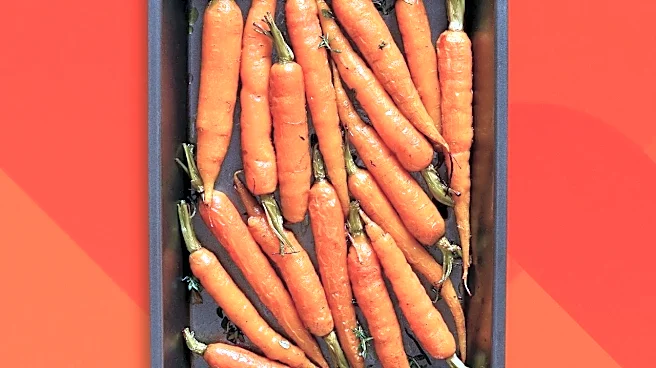
sheet pan’s classic move. Whether you’re preparing Brussels sprouts, carrots, or sweet potato wedges, the large, flat surface is your best friend. The key to a perfect roast is giving your ingredients space. Don’t crowd the pan. Overloading it causes food to steam rather than roast, leaving you with soggy results. Use high heat, typically around 400°F, to encourage caramelization and develop deep, savory flavors. For extra-crispy results, you can even preheat the sheet pan in the oven before adding your seasoned vegetables. This immediate, intense heat kickstarts the browning process. A sturdy pan will handle this heat without twisting or popping.
Reinvent Your Stuffing Game
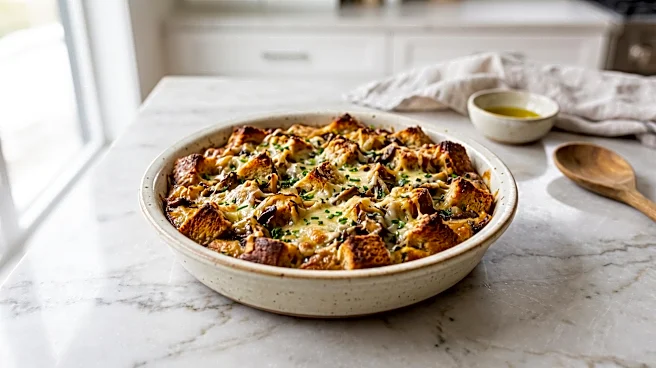
If you love the crispy, crunchy bits of stuffing, moving it from the casserole dish to the sheet pan will be a revelation. Spreading the stuffing across a wide, flat surface dramatically increases the top layer that's exposed to the oven's direct heat. This technique delivers a much higher ratio of coveted crispy edges to soft, tender interior. Simply prepare your favorite stuffing recipe, spread it in an even layer on a parchment-lined sheet pan, and bake until the top is golden brown and toasted. It’s a simple switch that yields a huge textural payoff and is guaranteed to be a crowd-pleaser.
The Unsung Hero of Pie-Making
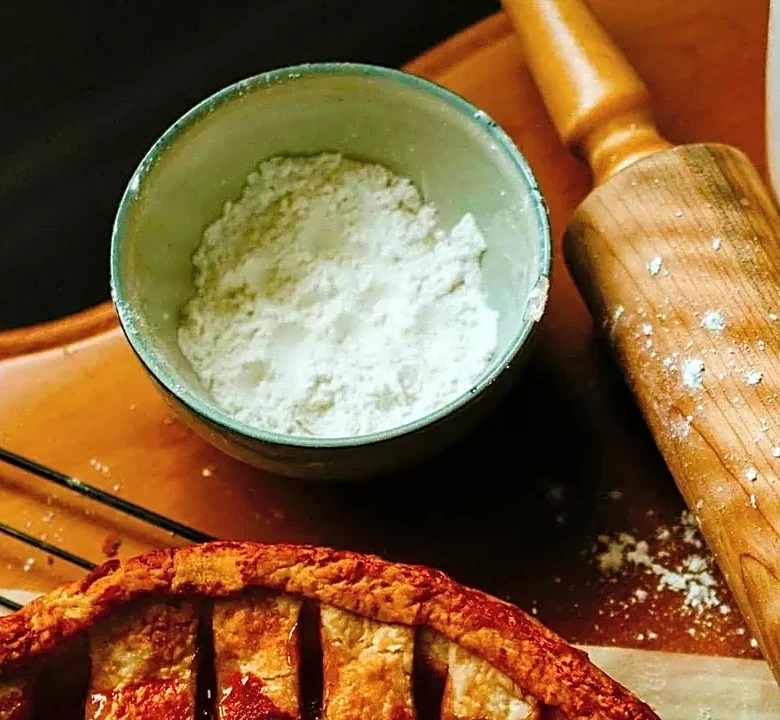
Every baker of fruit pies knows the dread of a bubbling-over disaster. A sticky, burnt-on mess on the oven floor is the last thing anyone wants to deal with on Thanksgiving. This is where the sheet pan serves as your secret weapon. Simply place your pie dish on a sheet pan before putting it in the oven. Any drips from a juicy apple or berry pie will land on the pan, not your oven. For even easier cleanup, you can line the sheet pan with aluminum foil or parchment paper first. Not only does this trick save you from scrubbing the oven, but it also makes it much easier and safer to move the hot pie in and out, as you can grip the sturdy edges of the pan instead of fumbling with a round pie plate and a bulky oven mitt.