

First, Assess the Physical Reality
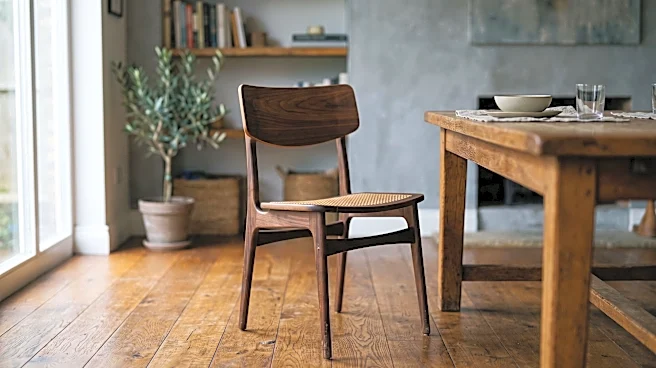
Before getting lost in sentiment, start with a practical assessment. Is the chair's problem a simple loose joint that a bit of glue and a clamp can fix, or is the frame cracked and the wood splitting? Solid wood furniture is often built to last and can be worth repairing multiple times, whereas pieces made from particleboard may not survive another holiday. If a repair requires specialized skills or the cost approaches 50% of a new, comparable chair, replacement might be the more sensible option. A wobbly leg is one thing; a chair that feels genuinely unstable or unsafe is another. No amount of nostalgia is worth a guest tipping over during dinner. Take an honest look at the materials and the extent of the damage to ground your decision in reality.
What Story Does the Chair Tell?
Objects become powerful when they connect us to our past, serving as tangible links to people and memories. This is the sentimental value, and it’s often the most compelling reason to keep a piece of furniture. Does this chair remind you of a specific loved one who always sat there? Does it hold the story of countless family gatherings? This connection is priceless and can't be replaced. However, it's also important to distinguish between genuine, cherished sentiment and simple habit. Sometimes we keep things not because they hold deep meaning, but because we've just always had them. The goal is to honor your heritage, not to be held hostage by it. Remember, the memories live within you, not within the object itself.
Does It Fit the Gathering You Host Today?
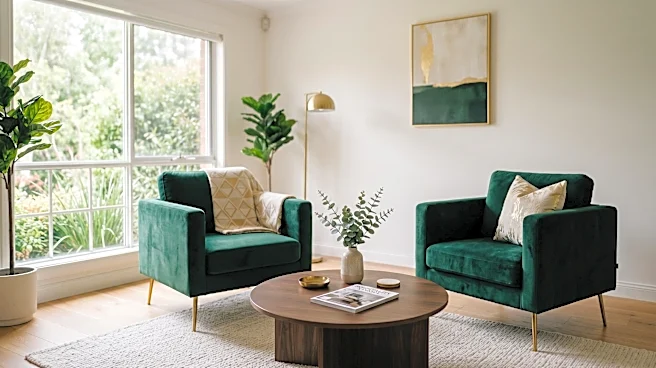
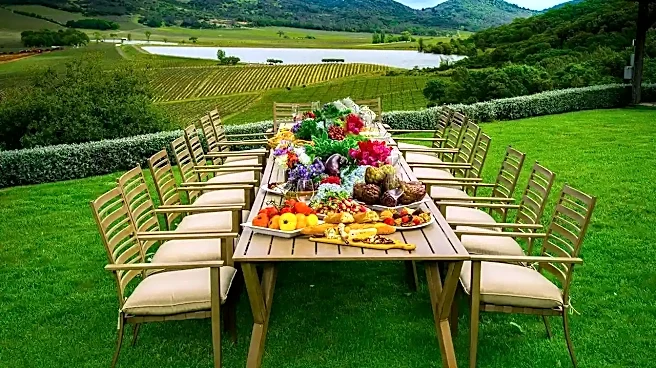
Thanksgiving celebrations are evolving. The formal, sit-down dinner with a dozen matching chairs is, for many, giving way to more casual, potluck-style 'Friendsgivings' or smaller family meals. Today's gatherings often feature a mix of homemade and store-bought food, flexible seating, and a focus on comfort over formality. Your decor may also have shifted toward more modern, nature-inspired, or minimalist aesthetics with earthy tones and metallic accents. An ornate, heavy dining chair might feel out of place in a home that now prioritizes a relaxed, cozy atmosphere. Consider the function and flow of your space. Does keeping that one bulky, mismatched chair create an awkward seating arrangement or take up valuable room that could be better used for mingling?
Is It Functional Beyond the Holiday?
Many people are now opting for versatile home decor that works for the entire autumn season, not just for a single holiday meal. A piece of furniture that only gets used once a year—and is a problem even then—might not be earning its keep. Does the chair serve a purpose in your home during the other 364 days? Could it be a reading chair in a bedroom, an accent in the entryway, or is it simply taking up storage space? An object's practical value is a key part of its worth. If a piece of furniture no longer meets your needs in terms of size, style, or function, it might be time to let it go, even if it’s technically repairable. Your home should be filled with things that are not only beautiful and meaningful, but also useful.
Giving Yourself Permission to Evolve
Ultimately, deciding the fate of a family heirloom is about balancing reverence for the past with the needs of the present. Holding onto objects can be a source of comfort and identity, but it can also become a burden if it keeps you from creating a home that reflects who you are today. Letting go of a piece of furniture is not letting go of the memories associated with it. It can be an act of creating new traditions—ones that are more flexible, more comfortable, and a better fit for the life you currently live. You can take a photo of the chair, pass it along to another relative who might cherish it, or simply thank it for its service and make space for something new. Honoring your legacy doesn't mean you have to live in a museum of your own past.