


The Ritual of the Unfolding
Long before the turkey is brined or the pies are baked, the real ceremony begins. It’s the act of retrieving the Thanksgiving tablecloth. It might live in a cedar chest, an acid-free archival box, or simply a cotton pillowcase in the back of a linen closet. The object itself has a weight that’s more than just fabric. Unfolding it is a ritual, a quiet signal that the holiday has truly commenced. The fabric carries the scent of storage—of cedar, clean linen, and time itself. It’s a tangible link, a bridge between the everyday and the sacred space of the holiday table. This act connects us to every other year we’ve performed the same ritual, creating a sense of stability in a fast-moving world. It’s not just preparing a table for a meal; it’s setting
a stage for memory.
A Ghost of Gravy Past
A pristine, perfect tablecloth is beautiful, but an heirloom tablecloth tells a story. Look closely. Near the edge, there might be a faint, stubborn ghost of a cranberry sauce spill from 2014. Over by where your uncle always sat is a pinprick-sized gravy stain that survived countless gentle washings. These aren’t flaws; they are footnotes. Each mark is evidence of a meal shared, a story told, a moment of laughter or chaos that became part of the family narrative. In a world obsessed with newness, the imperfections of an heirloom object provide a sense of authenticity and comfort. They are proof of life lived. This physical record transforms the cloth from a mere covering into a document of every Thanksgiving it has witnessed, a map of meals and moments past.
The Invisible Thread of Connection
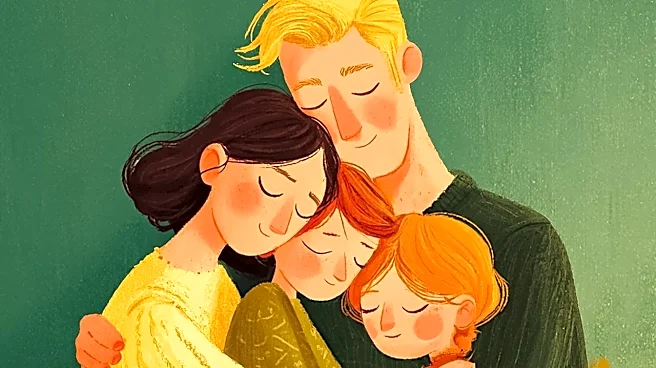
Using the heirloom tablecloth is an act of communion with those who are no longer at the table. It’s a way of inviting ancestors to the feast. Psychologists note that heirlooms serve as tangible links to our past, reinforcing our sense of identity and belonging. This cloth was held by your grandmother, washed by your mother, and now smoothed out by your hands. That connection is what psychologists call 'essence value'—the belief that an object can carry the spiritual presence of those who used it. It’s more than just remembering them; it’s a way of feeling their presence and continuing a tradition they valued. The tablecloth becomes an invisible thread, stitching generations together and reminding us that we are part of a longer timeline.
A Canvas for the Future
While steeped in the past, the heirloom tablecloth is also profoundly about the present and future. Some families have taken this idea literally, creating 'memory tablecloths' where guests sign their names or write what they're thankful for each year with fabric markers. Over time, the cloth becomes a tapestry of handwriting, doodles, and handprints, capturing the family as it evolves. But even without the writing, every new gathering adds another layer to the heirloom's story. The children who once needed a highchair are now helping to set the table. New partners and friends join the circle. The tablecloth doesn’t just preserve old memories; it becomes the backdrop for making new ones, a silent promise that this tradition will continue for the next generation to inherit.