


Start by Assessing Your Linens
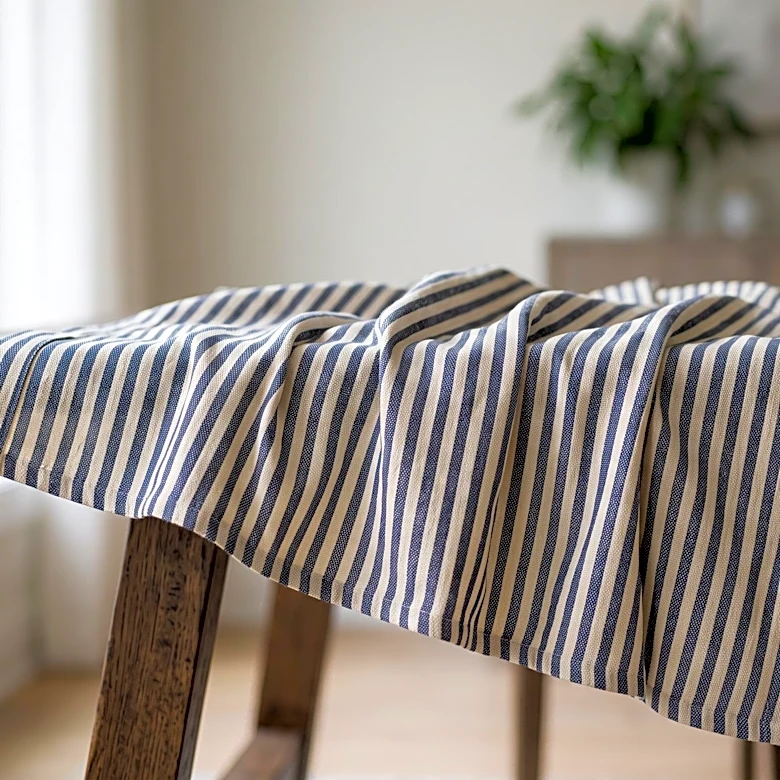
Before you can choose the right accent, you need to understand your foundation. Look at the table linens you plan to use. Are they solid-colored or patterned? Are they made of rustic, textured linen or crisp, smooth cotton? A simple, elegant fold in a cloth napkin provides the perfect canvas. The style of your existing linens is your starting point. A casual, farmhouse-style striped napkin will call for a different ring than a formal, embroidered one. Identify the dominant feel of your fabric—is it modern, traditional, rustic, or glamorous? This will help you narrow down the vast world of napkin rings to a few key styles that make sense for your table.
Lean on Versatile Materials
When in doubt, focus on materials that play well with others. Natural textures are famously
versatile. Woven napkin rings made from rattan or jute, for example, can pair with bold, colorful napkins or simple, neutral ones. They add a layer of organic texture that feels warm and inviting, perfect for a harvest theme. Similarly, smooth, simple wooden rings are a timeless choice that works with almost any style, from rustic to minimalist. These natural materials don't compete for attention; instead, they add a quiet, textural harmony that makes any napkin feel more considered.
Embrace Metallics as a Neutral
One of the safest and most stylish choices for maximum versatility is a metallic napkin ring. Gold, silver, copper, and brass act as neutral elements with a touch of polish. A simple gold or silver ring can elevate a casual cotton napkin or complement a formal, high-end linen. They catch the warm glow of candlelight beautifully, adding a festive sparkle to the table. For a contemporary look, consider modern shapes like square or hexagonal rings in a matte black or gold finish. Because they coordinate with most flatware, metallics are a foolproof way to create a cohesive, elegant look without having to perfectly match colors.
Use Color Theory to Your Advantage
If your linens feature a pattern, you have a built-in color palette to work with. Instead of trying to match the dominant color, pull out a less obvious secondary or tertiary shade. For a tablecloth with a floral pattern of burgundy, green, and cream, a simple green or cream napkin ring can create a sophisticated, layered look. If your linens are a solid color, you can either match that color for a chic monochromatic look or choose a complementary color for a bolder statement. For example, rich amber or warm brown napkin rings can add depth to a table set with cream or beige linens. The goal is coordination, not perfect matching.
Mind the Shape and Scale
Finally, consider the physical relationship between the ring and the napkin. A thick, plush napkin will require a ring with a wider diameter, typically around 1.75 to 2 inches, to avoid crushing the fabric. A thinner, more delicate linen napkin can work with a more slender ring. The visual weight should also feel balanced. A heavy, ornate napkin ring might overwhelm a simple, lightweight napkin, while a tiny, delicate ring could get lost on a thick, heavily textured one. The ring should hold the napkin securely without a struggle, allowing guests to easily remove it when they sit down.