



The Seduction of the Spectacle
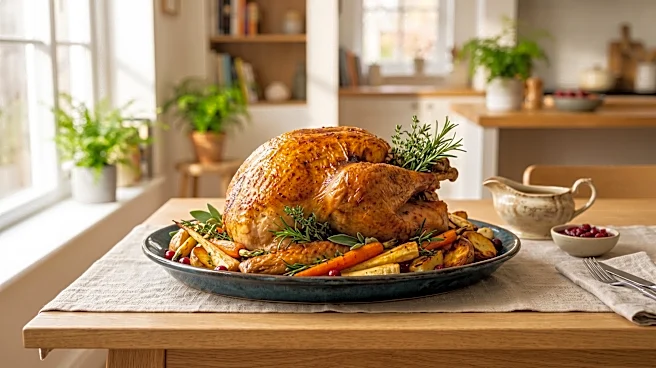
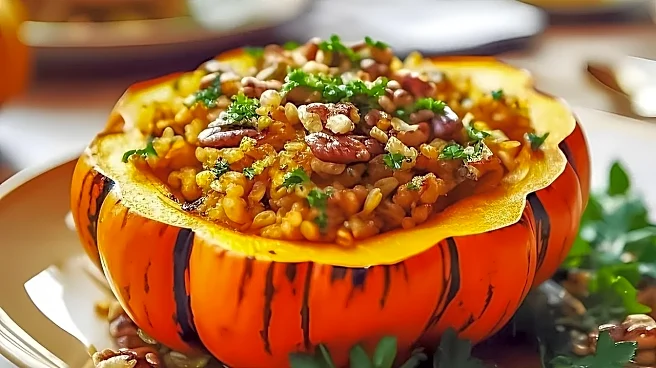
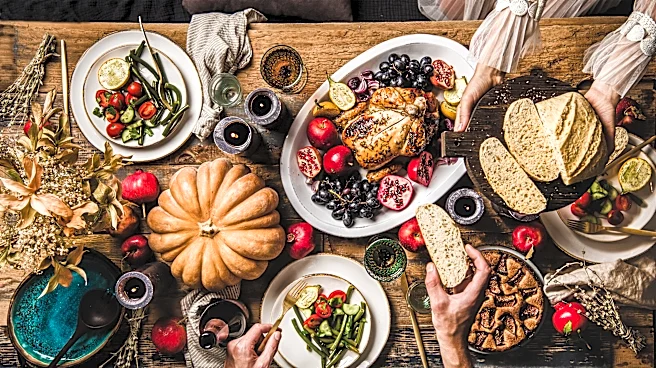
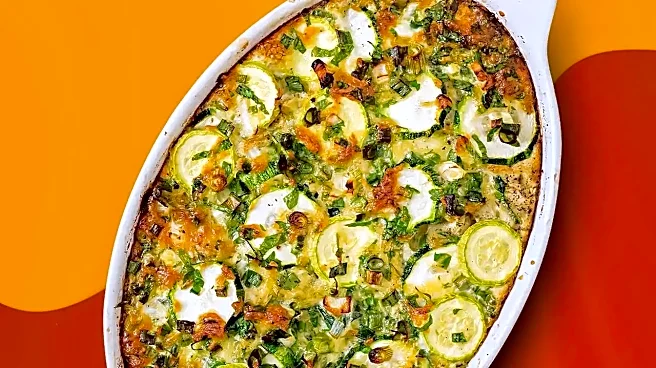
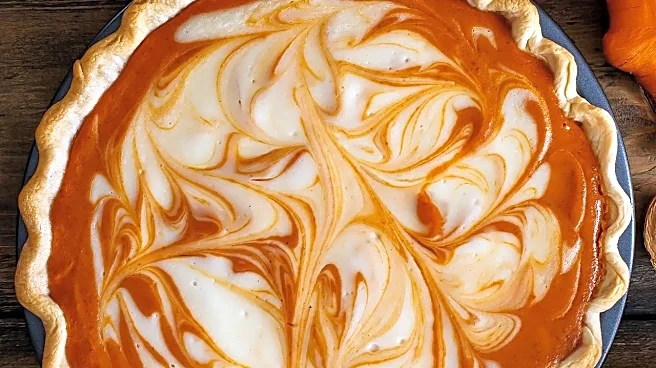
We all feel the pressure. In an era of curated social media feeds, the Thanksgiving spread has become a competitive sport. There’s a powerful urge to outdo last year, to impress your in-laws, and to prove your culinary prowess with a dazzling new dish you saw online. This ambition comes from a good place—the desire to create a memorable, special meal for the people you love. The internet dangles an endless buffet of 'must-try' recipes, from Gruyère-topped sweet potato stacks to deconstructed pumpkin pies. It’s easy to fall into the trap of thinking that newer equals better, and that a table full of novelties is the ultimate sign of a great host.
The High Stakes of the Holiday
Thanksgiving isn't just another dinner party; it’s the Super Bowl of home cooking. The stakes are
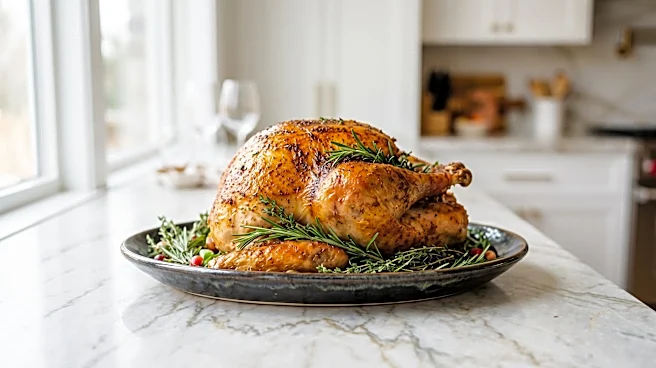
incredibly high, both emotionally and logistically. For many, this meal is steeped in tradition and nostalgia. Your family and friends aren't just craving turkey; they are craving 'your' turkey. They look forward to the specific stuffing they’ve eaten since childhood or the mashed potatoes that taste exactly like they remember. Introducing a slate of untested recipes risks not just a kitchen failure, but also a sense of disappointment. A failed experimental side dish means one less beloved classic on the table.
The Unforgiving Math of the Kitchen
From a purely practical standpoint, trying multiple new recipes at once is a logistical nightmare. A new recipe introduces countless unknowns. How long does it 'really' take to prep? Does it need the oven at 400 degrees when your turkey requires 325? Will you need a special tool you forgot to buy? Juggling oven space and stovetop burners is already a complex game of 'kitchen Tetris' on Thanksgiving. Adding unfamiliar techniques and cooking times dramatically increases your stress levels and the probability of something going wrong—from undercooked casseroles to burnt toppings. A calm, present host is far more important than a trendy, chaotic menu.
A Smarter Strategy for Innovation
This doesn't mean your menu has to be frozen in time forever. The key is to innovate wisely. Adopt the 'one new thing' rule. Limit yourself to trying just one new recipe each year. This makes the experiment manageable and low-risk. If it’s a flop, there are plenty of other trusted dishes to enjoy. Choose a simple new appetizer or a dessert that can be made a day ahead. Better yet, 'test-drive' any potential new Thanksgiving recipes in the weeks leading up to the holiday. Host a small, casual dinner in October or early November. This gives you a chance to perfect the dish, understand its timing, and decide if it's truly worthy of a spot at the main event. You can also delegate innovation by asking guests to bring a dish to share, which can add variety without adding to your workload.
Remember the Real Goal of the Day
Ultimately, the goal of Thanksgiving isn’t to produce a magazine-worthy food spread; it's to connect with loved ones. Guests will remember how you made them feel far longer than they will remember whether the green bean casserole had artisanal mushrooms. A frantic, stressed-out host who is chained to the stove creates an anxious atmosphere for everyone. By sticking with what you know and trust, you give yourself the gift of time and presence. You can relax, mingle with your guests, and actually enjoy the holiday you worked so hard to create. Perfection is not the goal—connection is.