



1. Aiming for Thematic Perfection
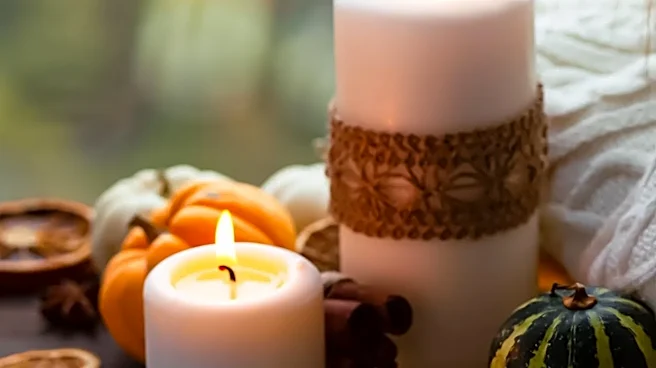
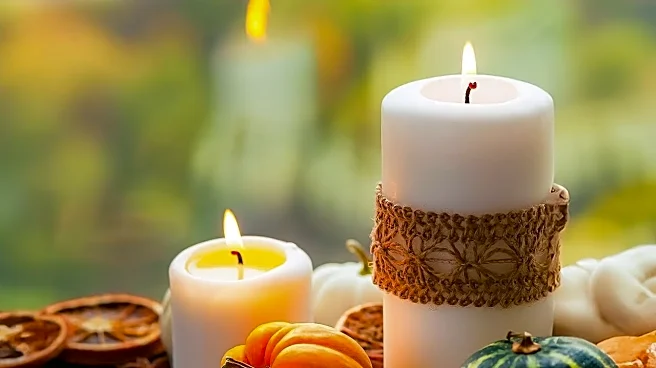
The belief that every surface must feature a turkey, pilgrim, or perfectly matched color scheme is a fast track to stress and expense. Chasing a rigid theme often results in a collection of decor you only use one day a year and can make your home feel more like a party store than a personal space. Instead of a narrow 'turkey day' theme, aim for a broader 'autumn harvest' feel. This allows you to use decor that works from September through November. Think in textures and natural tones: cozy blankets, warm-colored pillows, and unscented pillar candles. The food is the star of the show; let your decor be the warm, inviting backdrop rather than the main event.
2. Ignoring Nature's Free Decor
We often forget that the most beautiful and authentic fall decor is right outside our doors,
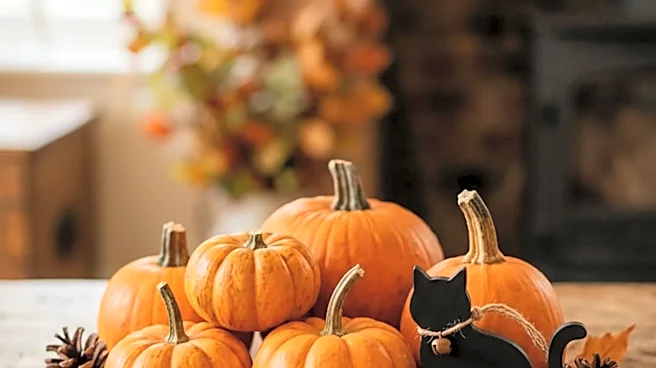
and it's free. Foraging for natural elements is not only budget-friendly but also connects your indoor space with the season. A walk around the yard or a local park can yield beautiful branches, colorful fallen leaves, pinecones, and acorns. These items can be simply arranged in a bowl, scattered down the center of a table runner, or placed in a clear vase. Small pumpkins and gourds from the grocery store also add an instant, effortless touch of the season without requiring any elaborate setup.
3. Overcrowding the Dining Table
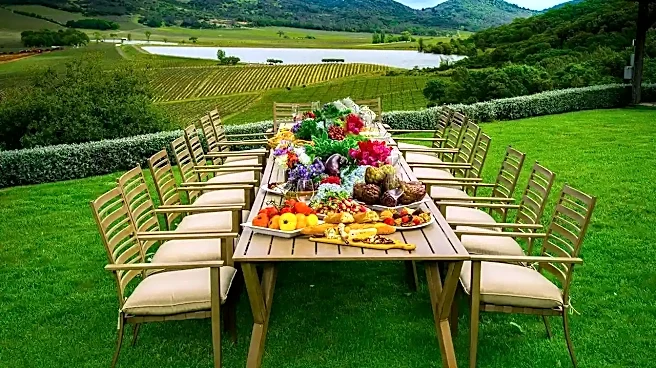
A stunning centerpiece is a classic, but one that’s too tall or wide becomes a beautiful nuisance. If guests have to peer around a massive floral arrangement to speak to the person across from them, the decor is hindering connection, not helping it. The primary purpose of the table is to hold food and host conversation. Keep centerpieces low and manageable. A series of small bud vases, a scattering of mini pumpkins and tea lights, or a simple garland of eucalyptus provides festive charm while leaving plenty of room for passing the mashed potatoes and maintaining sightlines.
4. Decorating Every Single Room
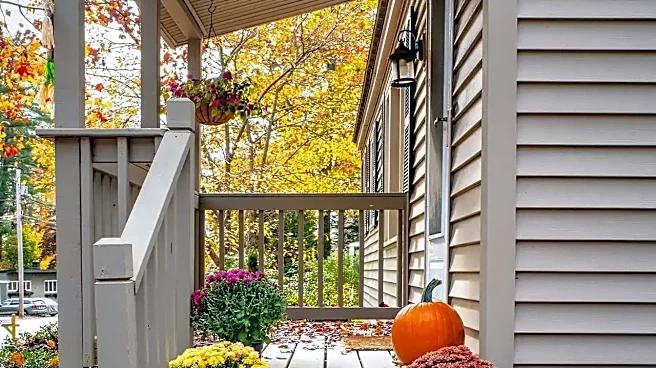
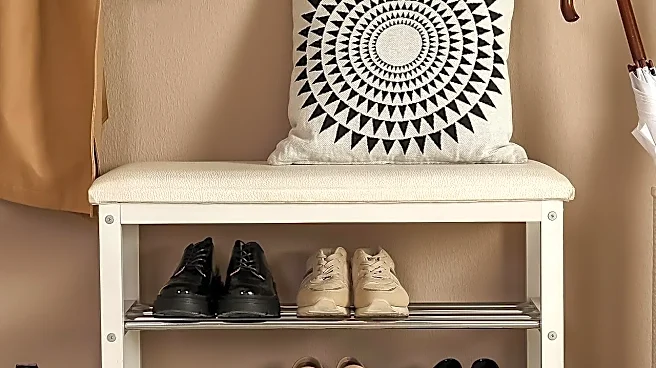
Unless you're hosting a multi-day event that utilizes your entire home, there's no need to decorate every corner of every room. Spreading your efforts too thin often leads to a diluted and stressful result. Instead, focus your energy on high-impact zones where guests will spend the most time. Typically, this means the entryway, the dining room, and the main living area. A welcoming wreath on the front door sets an immediate festive tone. Concentrating your best decor on the dining table and mantelpiece creates focal points that feel special and complete without the exhaustion of a whole-house makeover.
5. Believing It All Has to Be DIY
The pressure to handcraft every element of your Thanksgiving decor can turn a joyful holiday into a week of stressful projects. While a personal touch is wonderful, it doesn't mean you have to do everything from scratch. Give yourself permission to mix handmade items with store-bought conveniences. Maybe you create a simple centerpiece from foraged branches but buy a festive table runner. Perhaps you print place cards but use your everyday white dishes instead of a themed set. The goal is to create a warm atmosphere, not to prove your crafting prowess. A relaxed and present host is far more important to the spirit of Thanksgiving than a house full of flawless, but exhausting, DIY decor.