




The Case for One Long Table
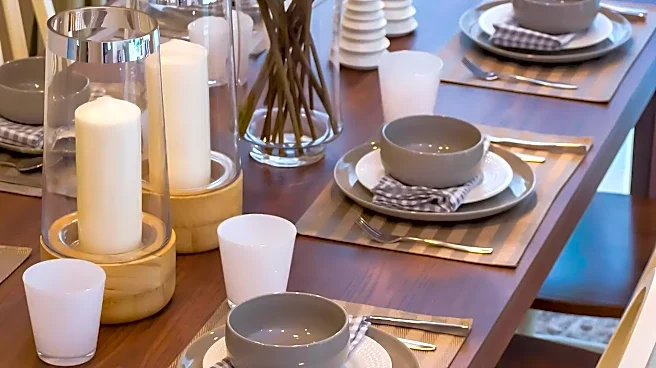
There’s an undeniable, Rockwellian charm to a single, long banquet table. It creates a powerful visual of unity and togetherness, where everyone is part of one large, shared experience. This layout is fantastic for family-style dining, making it easy to pass platters down the line and creating a communal atmosphere. Decorating is often simplified; a single runner, a series of candles, or an elongated floral arrangement can make a dramatic statement without the need for multiple centerpieces. However, the long table has its drawbacks. Conversation can become siloed, limited to the people sitting immediately next to or across from you. Guests at the ends of the table can feel isolated from the main action in the middle. Logistically, it requires
a large, rectangular room, and once guests are seated, it can be difficult for them to get up without disrupting the entire row.
The Power of Several Small Tables
Opting for several smaller tables—often round or square—sacrifices the single-gathering aesthetic for a different kind of social energy. This setup excels at fostering more intimate conversations, as guests can easily chat with everyone at their table. It offers great flexibility for hosts with awkwardly shaped rooms or limited space, as smaller tables can be arranged to fit various nooks. This layout is also perfect for creating designated zones, like the classic 'kids' table' or a quieter area for older relatives. On the other hand, a room full of small tables can sometimes feel more like a wedding reception than an intimate family dinner, potentially creating social pods that don't mingle as much. From a hosting perspective, it requires more thought in terms of decor to create a cohesive look across multiple surfaces, and serving can be more complex than a straightforward pass-along approach.
How to Choose Your Layout
The right choice depends entirely on your specific circumstances. First, assess your space honestly. A long, narrow room is built for a banquet table, while a more open or square room might better accommodate several smaller ones. Consider your guest list and the desired vibe. If you want to encourage mingling between different family and friend groups, smaller tables might be more effective. If you prize a feeling of grand unity, the single table is your champion. Also, think about your serving style. A buffet-style meal works well with any layout, but if you're serving family-style, ensure there's enough room on the table for all the platters. For very large gatherings in rented halls, multiple tables arranged in a U-shape can offer the best of both worlds: a sense of togetherness without the logistical nightmare of a 30-foot-long table.
Tips for a Flawless Seating Plan
Whichever layout you choose, a thoughtful seating plan is your best tool. Use place cards to strategically seat guests, which makes everyone feel welcome and guides conversation. Try to mix and match family members and friends to encourage new connections, and don't seat couples directly next to each other. Place a natural conversationalist in the middle of a long table to keep the energy flowing. For small table setups, ensure a host is present at each to facilitate introductions and conversation. Finally, always do a dry run. Set up your tables and chairs a few days in advance to check traffic flow and make sure every guest has adequate elbow room—aim for about 24 inches per person. This foresight ensures you can focus on the food and festivities when the big day arrives.