




The Potluck That Isn't a Potluck
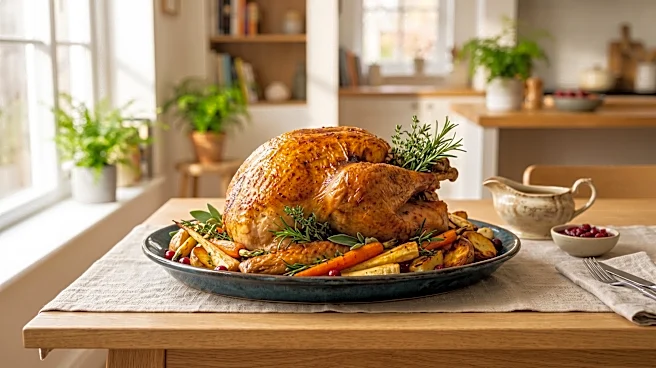
Let’s be clear: a potluck is a communal meal where guests contribute different dishes. The host provides the space and often the main course—like the turkey—while guests fill in the gaps with sides and desserts. The beauty of it is the variety, the surprise, and the shared effort. It is, by definition, a collaborative and slightly chaotic affair. What it is not, however, is a catering job where your friends and family serve as unpaid line cooks executing your master vision. When you invite someone to bring 'their famous green bean casserole' and then email them a new recipe that uses blanched haricots verts and toasted almonds instead of canned beans and fried onions, you are no longer hosting a potluck. You are directing a play, and you've
just rewritten everyone else's lines. This move transforms a gesture of community into a transaction, stripping the 'luck' right out of the pot.
Anxiety in the Kitchen
Why do hosts do this? The impulse often comes from a place of anxiety, not malice. The pressure to orchestrate a perfect, magazine-worthy Thanksgiving meal is immense. The host fears a disjointed menu, duplicate dishes, or a contribution that doesn't meet their standard of quality. This anxiety can manifest as control. They want the curated perfection of a meal they cooked entirely themselves, but also the reduced workload of a potluck. Unfortunately, you can't have both. This behavior is rooted in a fundamental misunderstanding of what makes a potluck special. The charm isn't in its flawless execution; it's in the story each dish tells. That slightly-too-sweet sweet potato casserole comes from a recipe passed down from a guest's grandmother. The lumpy mashed potatoes are a college roommate's one and only specialty. To 'correct' these dishes is to erase their history and, in a way, devalue the person bringing them.
An Insult to the Cook
From the guest's perspective, being asked to alter a beloved recipe feels like a vote of no confidence. It sends a clear message: 'I trust you enough to ask for help, but not enough to believe you can execute it properly.' When you've spent years perfecting your cornbread stuffing, it's disheartening to be told to add sausage and cranberries because the host saw it on a food blog. Bringing a dish to a shared meal is an act of generosity and vulnerability. The guest is sharing a piece of their culinary identity. Having that contribution 'edited' is not just a critique of the food; it feels like a critique of their judgment and taste. It creates an awkward dynamic where the guest is forced to either disappoint the host by sticking to their original recipe or swallow their pride and make a dish that isn't truly theirs.
Choose Your Path: True Potluck or Benevolent Dictatorship
So, what’s the right way forward? The host must make a choice. Path one is the 'True Potluck.' Embrace the spirit of collaboration. Use a sign-up sheet with broad categories (e.g., 'potato side,' 'green vegetable,' 'pie') and then let go. Trust your guests. The meal might be eclectic, but it will be a genuine reflection of the community you've gathered. The oven schedule might be tight and the table might feature three different mac and cheese recipes, but the experience will be authentic. Path two is the 'Benevolent Dictatorship.' If you have a very specific vision for the meal, that's perfectly fine—but then you must own the labor. Cook the main dishes yourself and assign guests simple, non-negotiable items that are hard to mess up: a bottle of wine, a bag of ice, dinner rolls from a specific bakery, or a simple cheese platter. This way, your vision remains intact, and guests can contribute without feeling micromanaged. Both paths are valid, but you cannot walk both at once.