



The Prime Suspect: Overbaking
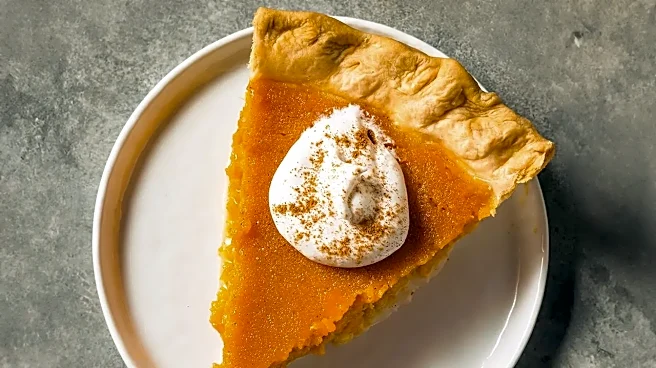
The simplest reason for a cracked pumpkin pie is that it was baked for too long. At its heart, pumpkin pie is a custard, with its structure coming from eggs. As eggs heat up, their proteins bond together, turning the liquid filling into a creamy solid. But when they get too hot—or stay hot for too long—those protein bonds tighten excessively, squeezing out moisture and causing the filling to shrink and pull apart, creating a fissure. This process can even continue after the pie is removed from the oven, as residual heat keeps cooking the center. To prevent this, pull your pie when its edges are set but the center still has a distinct jiggle, often described as being like Jell-O. That wobbly middle, usually a few inches wide, will firm up as it cools,
resulting in a perfectly smooth, creamy texture.
The Shock and Awe of Cooling
A perfect bake can be undone in minutes by a sudden temperature change. Moving a piping hot pie directly from the oven to a cool countertop or, even worse, a chilly refrigerator, causes the filling to contract too quickly. The edges cool and shrink faster than the still-warm, expanded center, creating tension that inevitably leads to a crack. The solution is a slow, gentle cooldown. Once your pie is done, turn off the oven, crack the door open (a wooden spoon is great for propping it), and let the pie rest inside for 10 to 20 minutes. This gradual transition helps the filling set and stabilize. After that, let it cool completely at room temperature for a couple of hours before it even thinks about seeing the inside of a refrigerator.
It Starts with the Right Mix
Sometimes, the problem begins before the pie even enters the oven. Overmixing the filling, particularly after the eggs are added, can whip too much air into the custard. Those air bubbles expand during baking, causing the filling to puff up like a souffle and then collapse as it cools, a perfect recipe for cracking. Mix your ingredients only until they are just combined. Using room-temperature eggs can also help them incorporate more smoothly without the need for aggressive whisking. Baking the pie on a lower oven rack can also be beneficial. It helps ensure the bottom crust gets crisp while allowing the delicate custard filling to bake more gently and evenly, reducing the risk of the top setting too fast and cracking.