


What Exactly Is Sidesgiving?
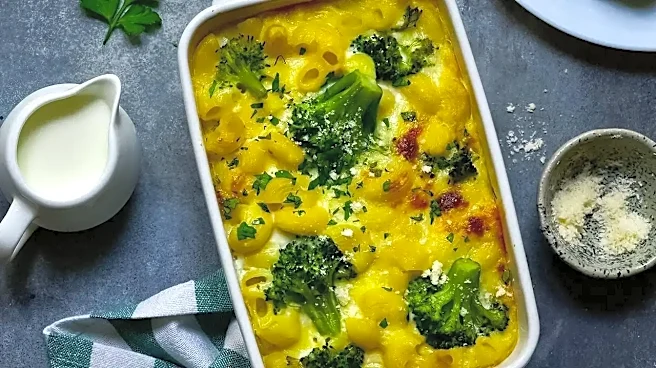
Sidesgiving is a Thanksgiving celebration where the side dishes are promoted from supporting cast to the main stars of the show. The concept is simple and liberating: build your entire feast around the likes of mashed potatoes, stuffing, green bean casserole, and macaroni and cheese, with the turkey either playing a much smaller role or being cut from the production entirely. This approach isn't just for vegetarians; it's for anyone who believes the best plate at Thanksgiving is a mosaic of varied textures and flavors, unburdened by the pressure of a perfect bird. It's a modern, flexible take on the traditional meal that prioritizes abundance, variety, and, most importantly, what guests actually love to eat.
The Allure of an All-Sides Feast
The growing popularity of Sidesgiving
stems from a few key advantages. First, it dramatically lowers the stress of hosting. There's no giant bird to thaw, brine, and baste for hours, which frees up both oven space and the host's sanity. Second, it’s inherently more inclusive and adaptable. Crafting a menu of diverse sides makes it exponentially easier to cater to vegetarians, vegans, and guests with gluten sensitivities. Finally, it unleashes culinary creativity. Instead of focusing on one main, cooks can experiment with several smaller, more inventive dishes, turning the Thanksgiving table into a true culinary showcase.
Building the Perfect Sidesgiving Menu
A great Sidesgiving spread is all about balance. You want a variety of flavors, textures, and food groups to ensure the meal feels complete and satisfying. Think in categories: a starchy anchor, a variety of vegetables, a cheesy indulgence, and something fresh to cut through the richness. The most popular sides are classics for a reason: stuffing, mashed potatoes, sweet potatoes, green bean casserole, and mac and cheese are often cited as the top favorites. Aim for a mix of old traditions and new twists to keep things exciting.
The 'Centerpiece' Side
Even without a turkey, it’s nice to have one visually impressive dish that acts as a centerpiece. This is the 'main event' side that signals the meal's festive nature. A stunning Mushroom Wellington, with its savory filling and flaky pastry crust, is a popular choice. Another showstopper is a whole roasted cauliflower, perhaps seasoned with warming spices and served over a creamy tahini sauce. For something truly spectacular, consider a stuffed butternut squash, filled with a hearty mixture of wild rice, apples, and herbs, which can be sliced and served right at the table.
The Supporting Stars: Starch and Veggies
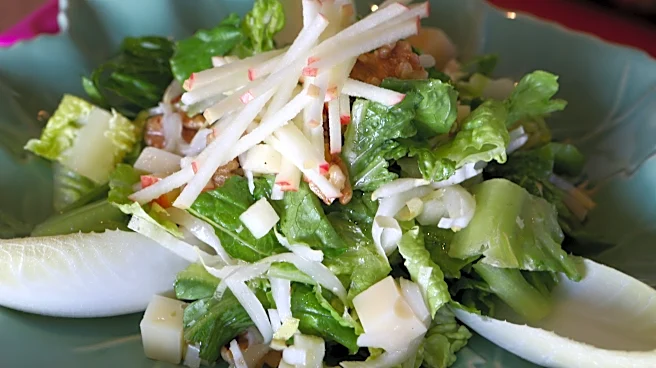
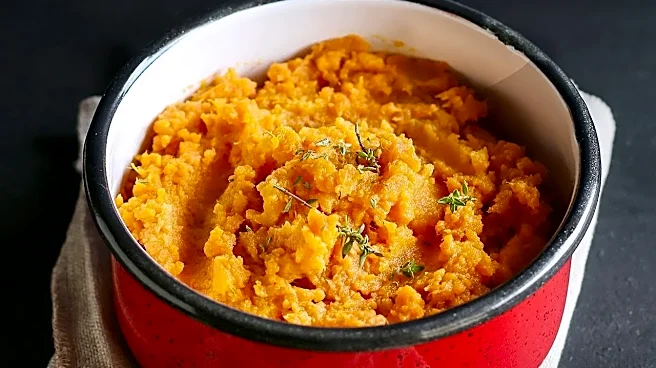
No Sidesgiving is complete without potatoes and stuffing. For mashed potatoes, going beyond basic butter and milk can elevate the dish; consider adding mascarpone or cream cheese for ultimate creaminess. For stuffing, classics like sausage and herb are always a win, but a cornbread-based dressing adds a welcome Southern flair. When it comes to vegetables, balance is key. Alongside a rich green bean casserole, offer something brighter, like roasted Brussels sprouts with pancetta, simple lemon-butter green beans, or colorful glazed carrots. A fresh, crunchy fall salad with pears, walnuts, and a sharp vinaigrette can also provide a much-needed counterpoint to the richer dishes.
Tips for a Flawless Potluck-Style Sidesgiving
Sidesgiving is perfectly suited to a potluck format, which further reduces the host's burden. If you're organizing, the key is communication. As the host, you might provide the 'centerpiece' side and one or two other staples. Then, create a sign-up sheet with general categories (e.g., 'potato dish,' 'green vegetable,' 'casserole,' 'dessert') rather than specific recipes. This prevents overlap while allowing guests to bring a dish they're excited to make. Have extra serving utensils and platters ready, and consider using labels for each dish so everyone knows what they're enjoying.