






The pressure to host the 'perfect' Thanksgiving is real, and nowhere does it show up more than the dinner table. We imagine a scene cluttered with forks, spoons, and glasses, each with a mysterious purpose. But what if elegance isn't so complicated?
The Formal Setting We're Taught to Fear
Let’s start with the source of all the anxiety: the formal place setting. Traditionally, this is a landscape of metal and glass designed for a multi-course meal. A typical formal setting includes a dinner plate on a charger, flanked by an array of forks (dinner, salad, fish) on the left, and knives (dinner, fish) and spoons (soup, teaspoon) on theright. Above the plate, you'll find a dessert spoon and fork, and to the top left, a bread plate with its own butter knife. To the right sit the glasses
for water, red wine, and white wine. The core rule is to use utensils from the outside in. While impressive in a fine dining restaurant or at a state dinner, this setup can feel rigid and intimidating for a family holiday meant to be about warmth and togetherness. It takes up a lot of space and, more importantly, requires a lot of washing up.
Why Simpler Is Smarter (and More Stylish)
Modern hosting is pivoting away from rigid formality and toward connection. The goal is to make guests feel comfortable and welcomed, not tested on their etiquette. A table crowded with unnecessary silverware can have the opposite effect, creating a stuffy atmosphere. By simplifying, you’re not being lazy; you’re being intentional. A streamlined table setting gives you more room for the things that really matter: the food, the decorations, and the space for guests to relax without worrying about which fork to use. It communicates confidence and a focus on community over protocol. The new elegance is about creating a warm, inviting mood where the company is the main event, not the complexity of the flatware.
The Essential Thanksgiving Trio
For the average Thanksgiving meal, you really only need three core utensils: a dinner fork, a dinner knife, and a spoon. This basic but effective setup covers every likely scenario. Place the dinner plate in the center. To the left, place the fork. To the right of the plate, place the knife with the blade facing in, and then the spoon to the right of theknife. This spoon can be used for soupy side dishes, stirring coffee, or even for dessert if you're keeping things truly simple. The water glass goes above the knife. If you're serving wine, place that glass to the right of the water glass. That’s it. This configuration, often called a 'basic' or 'informal' setting, is clean, universally understood, and perfectly adequate for turkey, stuffing, cranberry sauce, and a slice of pumpkin pie.
Making Simple Look Special
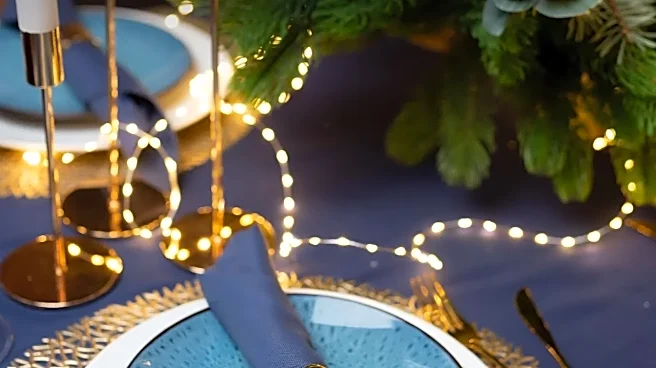
A simplified place setting doesn't have to look sparse. In fact, its simplicity provides a canvas for other decorative touches that add personality and warmth. Instead of a dozen utensils, focus on one or two high-impact details. Use a quality cloth napkin, perhaps folded and tucked under the fork or placed in the center of the plate with a simple ribbon tied around it. A handwritten place card adds a personal, thoughtful touch. You can also bring in natural elements; a single sprig of rosemary or a small pinecone placed on each napkin adds a beautiful, seasonal scent and texture. Woven placemats can add texture, and a simple runner down the center of the table can anchor the whole look without the fuss of a full tablecloth. These small, intentional choices create a tablescape that feels just as special as a formal one, but far more personal and relaxed.