





Even before opening in April 2026, eyes were already on All Well. Chef Noah Sandoval, James Beard Best New Chef: Great Lakes awardee and two-Michelin-starred restaurant Oriole veteran, was bound to attract attention with his resume, but setting out to establish
neighborhood bar with executive chef Larry Feldmeier just a few blocks away, naturally, piqued even more interest.
All Well, one of the year’s most highly anticipated openings, combines both a five-course prix fixe (with optional wine pairing for $90) and a la carte bar service until midnight. It’s designed as a more affordable counterpoint to its decade-old predecessor Oriole. Breaking from the traditional tasting menu, a few of All Well’s courses provide options. The beverage program, headed by Maxx Kleiner, has a few seasonal cocktails that rotate often, plus the tried-and-true drinks.
The vibe
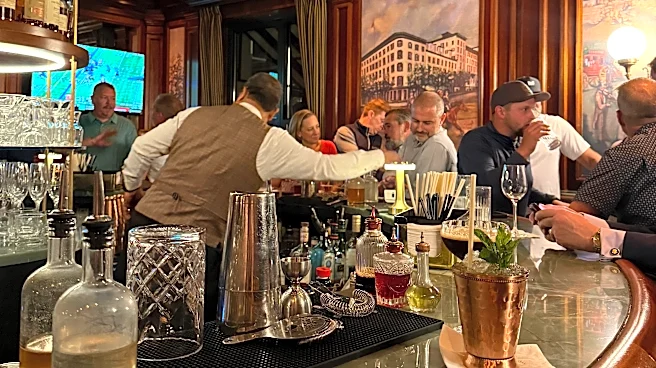
The notorious restaurant mood lighting tis in full form at All Well, but I was still able to read my menu without any additional lighting support. The dining room is airy and open with plenty of space between tables to maneuver. With limited visual frills in the design, the focus does feel primarily on the meal.
All Well calls itself a “neighborhood restaurant and bar,” but the reputation of its host neighborhood seems contrary to the implied informality and accessibility of a “neighborhood bar.” As West Loop transformed from warehousing center into a metropolitan hub of corporate headquarters, awarded restaurants, and loft apartments, it has become a target for pointed complaints about uppity shifts in local culture once only reserved for the places like the Gold Coast and River North.
For this reason, it would be disingenuous to put All Well in the same category as your typical neighborhood haunt, though it does share the block with the Golden Arches. But, by West Loop standards, it fits the bill of a West Loop neighborhood bar. (The corporate gossip I overheard from neighboring tables supported that notion.) The foie gras mousse ($22) on the a la carte menu doesn’t scream “proletariat,” but a short rib sandwich ($25) could make for a nice, mid-priced meal after a day grinding at one of those aforementioned corporate headquarters. And with a prix fixe menu at only $145, one could assume that if Marx would ever approve of a coursed meal, it’d be one this reasonably priced. It is, after all, 2026, and stepping out the door seems to cost at least $50.
What to order
- The first course arrives on a wooden platter with probably the most flamboyant and traditionally “prix fixe” presentation of the evening. Small finger foods packed with flavor include a buttery and sweet corn beignet and a tangy lemongrass crab bite, which was my favorite.

- For the first choice of the menu, I opted for the Hokkaido scallop, and I will continue to sing its technical praises. The scallops, poached in a fish broth, sit at the center of the plate with a pork XO broth at its base. Surrounded by an aerated gooseberry sauce, the dish gradually evolves with every bite — as you dig for the scallops and release the XO broth into the gooseberry reduction, every spoonful has a different flavor.
- Next was the Délice de Bourgogne, a French triple-cream cheese, doused in a beurre monté sauce. While it was a flashier course that suggested diners drizzle a cup of chicken brodo over the pasta, I actually preferred the pasta without the salty brodo. The accompanying grain toast with sweet buckwheat butter was delicious and toed the line of a mid-meal dessert while still a great instrument for sopping up any remaining beurre monté from your plate.
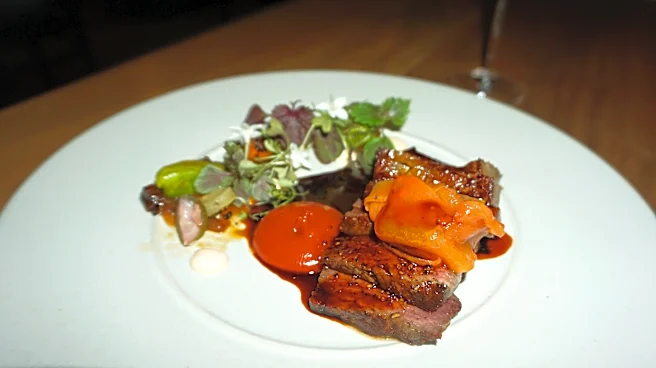
- While I was drawn toward the sablefish option for the main course, something about seeing a charred rib-eye with chamoy and peaches on the menu won me over. The sour tamarind from the chamoy was a brilliant contrast against the rib-eye and I’ll be adding chamoy to my steaks for the rest of my life. The chefs’ craft comes through once you’ve realized they’ve somehow incorporated five different kinds of peppers throughout the meal, including in the au jus.
- Dessert was a corn tart topped with blueberry compote and a scoop of horchata chai ice cream. Plagued by a perpetual sweet tooth, I was happy to make room for the dessert, although it was relatively mild compared to the bursts of flavor earlier in the course. Some could argue that as a fault, but I think it was more of an achieved balance that doesn’t set diners over the edge.
What to drink
- All Well’s tactful balance first hit me as I sipped on the Jaune Claude ($18), a lemongrass mezcal with yellow Chartreuse and elderflower. Neutralizing the smokiness of a mezcal is no easy task, but combining the citruses brought it down a notch.
- The 50/50 Manhattan ($16) was one of the lightest Manhattans that I’ve experienced and easily went down with the latter half of the menu.
Insider tip
If you’re lucky, a seasonal cookie will accompany your bill. I was fortunate enough to be given a delicious miso sesame cookie with mine and can only hope it makes an appearance on the a la carte menu sometime soon.
The Takeaway
At the core of All Well is balance — every acid is seemingly met with a fat, every dense bite is sealed with a refreshing or citrusy note, and even the drinks found the proper footing to flow with the meal. The service felt like a collection of experts, extremely knowledgeable and earning their stripes in the industry, being able to take a breather, dare I say, have fun in a restaurant. As intended, even if tasting menus aren’t in your wheelhouse, the a la carte menu is a great late-night meal to keep you full or backdrop to a post-work decompress.