





Thomas Straker, the London-based celebrity chef with more than two million followers on both Instagram and TikTok, is known for viral cooking videos, a cookbook, and an almost-evangelical enthusiasmfor butter. Now he’s bringing his cooking to Straker’s,
at 59 Grand Street, at West Broadway, in Soho, taking over the former Lucky Strike space, with the restaurant officially opening Saturday, October 10.
The New York opening lands alongside a major U.S. expansion for Straker’s butter business: His British butter is now sold in Whole Foodsstores around the country. Ahead of the opening, I spoke with Straker about why he chose New York, what he’s bringing over from London, and the year-delayed, roughly $2 million-over-budget transformation of Lucky Strike. This interview, which first appeared on Eater New York Substack, has been edited and condensed for clarity.
Why New York?
Thomas Straker: The dining scene here is completely different. People live outside of their apartments in New York — they’re out having breakfast, lunch, dinner — whereas in London there’s a lot more eating at home. People might eat out twice a week there; here, you end up eating out all the time. The market is so strong. If you do something that has an appeal, you can almost guarantee you’re going to be busy.
And I have a U.S. passport. I was born in Washington, D.C., so I thought, I’m either going to use it or lose it. I wanted to explore how to build the brand abroad. I didn’t want to open more of the same restaurants in London, and I didn’t really fancy any other cities in the U.K. So I thought, why not? I’m American.

How will the New York menu differ from London?
Straker: The menu structure is going to remain pretty much the same, almost unchanged. It’s more about piecing together what you can get here. I’d like to stick to fish caught on this coast — instead of sea bass, using striped bass, maybe Maine lobster. I went to some great dairy farms in Connecticut. I think you can find really good products if you look well.
What makes your line All Things Butter a standout?
Straker: First, it’s British. It comes from grass-fed, very well-looked-after cows, and we make it traditionally — it’s all churned traditionally. We have very rich grasses in the U.K., so the milk is fantastic for making dairy products. We’re going to use our own British butter at the restaurant.
My ethos is always: How can I take something and do the least to it to make it exceptional? I don’t want to manipulate things too much. I tell the chefs they need to question everything on the plate — what they’re putting on, what they’re taking away, why it’s there, and what they can do to refine it.
At the restaurant, what should someone order first?
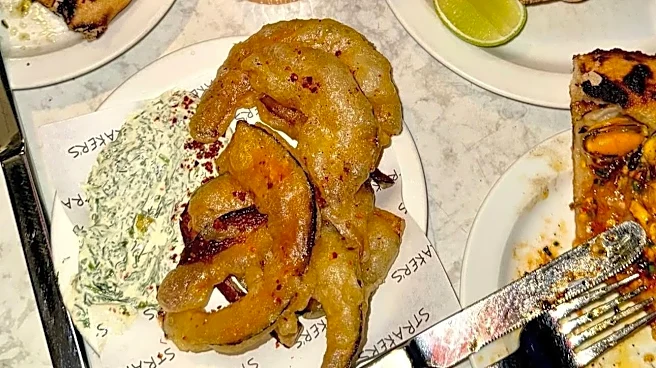
Straker: I’ve got this mussel flatbread on the menu in London. It’s a 48-hour cold-ferment dough, basically like a mini pizza. We cook down mussels in wine, reduce the stock, make a chile butter with it, chop mussels through it, add whole mussels, and bake it in the wood oven.
I wanted to create a fresh bread-and-butter course that was hot and that you could eat with a couple of drinks. It’s the one thing we’re definitely bringing over from London. It’s been on the menu since we opened, and I can guarantee it’ll still be there in 10 years if we’re lucky enough to be there.
How much of the London staff is coming over?
Straker: We’ve hired everyone here. I brought a couple of people over in support roles — someone who does our social media, one of the managers for a couple of weeks, and the chef from London will come over to observe.
But the only way it works is if you create the culture here. We’ve got a great team, a lovely chef and a very good GM. We know the formula; we just have to apply it here without changing it too much.
Who is the chef?
Straker: A guy called Luka Coyne. He’s Australian. I’ve actually got three Australians in my top team.
I wanted people who are up for putting the work in. Opening a restaurant isn’t easy. We’ve had delays, and sometimes you have to put in a few extra hard yards. I want people who want to make it a success and feel passionate about the business.

What appealed to you about the former Lucky Strike space?
Straker: The space has got an amazing energy. As soon as I walked in there, I knew — I thought, right, I’ve got to take this. It took probably six months to do the deal, and I signed the lease in April last year.
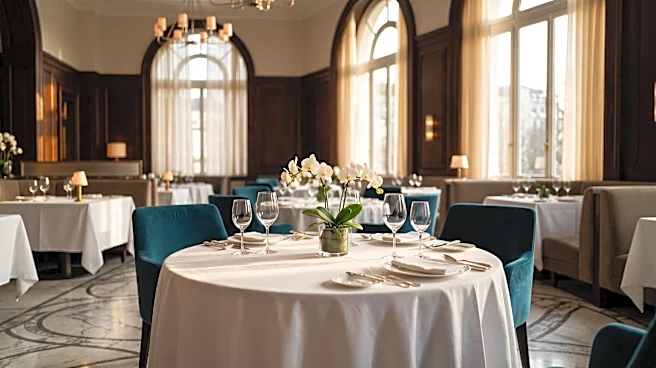
We knocked out the kitchen and put in an open kitchen and an open bar. The back dining room is sexy and comfortable. It’s sophisticated but casual.Post Companydid the interiors, and I gave them a lot of direction about how the London restaurant looks, while also wanting nods to Lucky Strike.
The build has been 12 months delayed and about $2 million over budget, but I think we’ve done a fantastic job.
What else should people know?
Straker: We’ve put together a really strong wine list, with lots of lovely Champagnes — you can drink Krug by the glass — and there’s an interesting English sparkling wine as well.
The GM has built a really good team of people who are passionate about their jobs and really care. It’s important that the team here feels ownership over the restaurant.