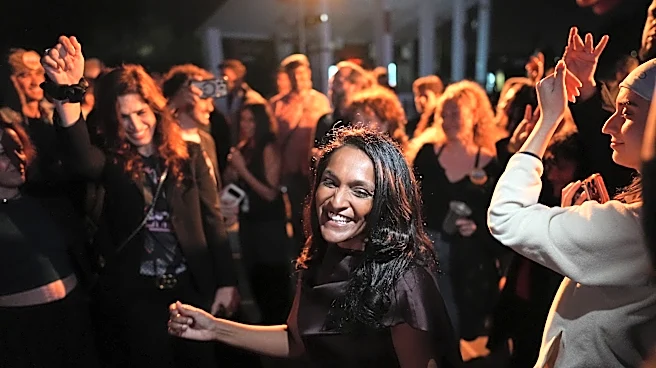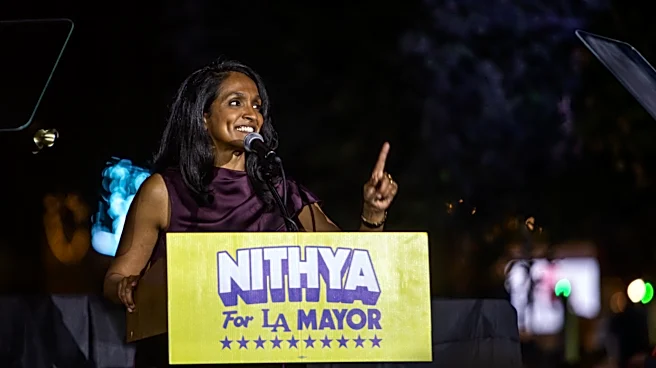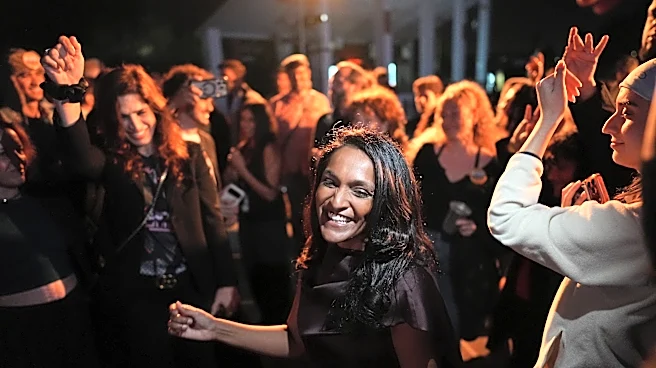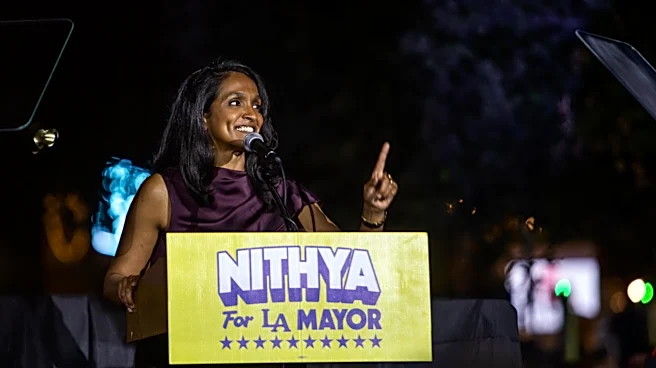



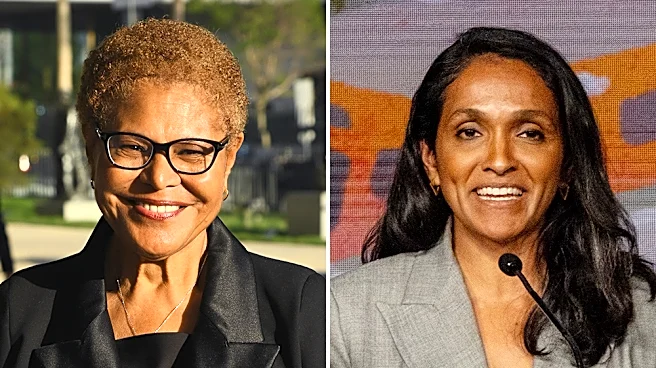
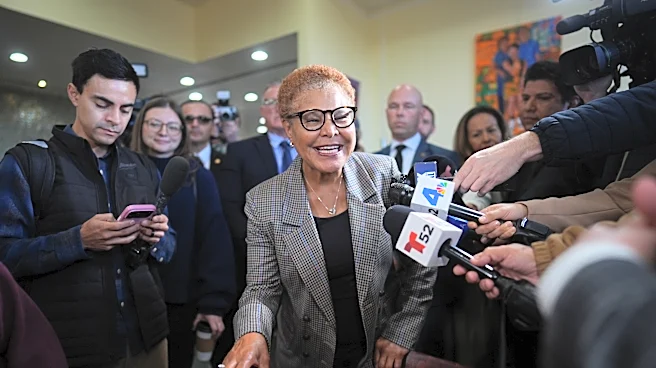
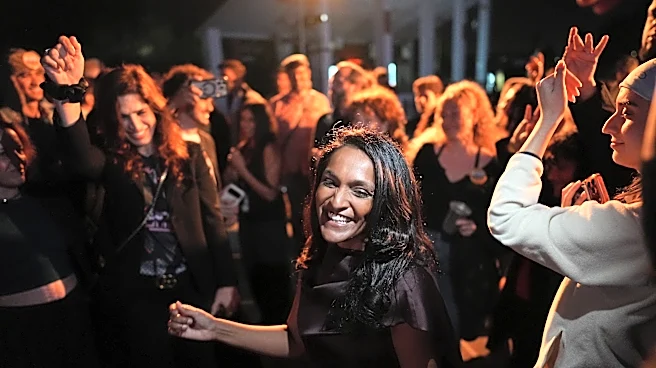

On November 5, 2026, Nithya Raman defeated incumbent Karen Bass to become the 44th Mayor of Los Angeles. It was a close race for Mayor-elect (and soon-to-be former city councilmember) Raman, whose victory with 52% of the vote was called two days after
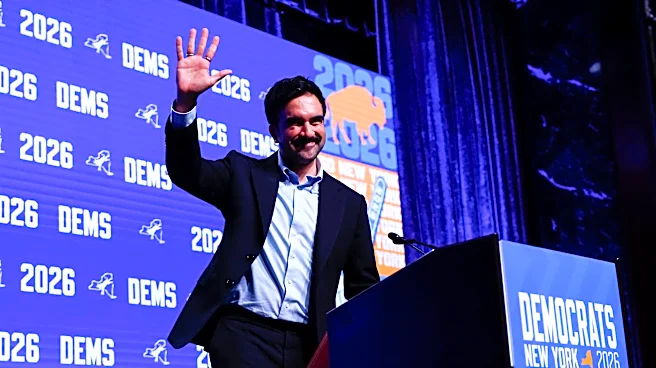
Election Day, with Bass conceding. The referendum on who would take the helm of the second-largest city in the United States was between two Democrats. Still, Raman’s victory rides a nationwide, historic blue wave, where Democrats captured a majority of seats in both chambers of Congress and multiple governorships, turning many formerly red cities, states, and counties blue.
Now that election season is done, the actual work must begin.
In July of this year, Raman’s team presented me with a strategy designed to support independent restaurants; in October, Bass shared her own executive directive for independent restaurants. Both echoed ideas previously introduced in Los Angeles, including reducing red tape, self-certification for al fresco dining permits, and establishing entertainment zones where patrons can consume alcohol and food in public spaces from licensed bars and restaurants.
Since winning her city council seat in 2020, Raman has pushed through the passage of stronger rental protections and reforms to improve the city’s response to homelessness. Raman also penned an Eater op-ed in 2020 stating that the City of Los Angeles has failed its street vendors.

The restaurant community will be holding Raman to account once she takes office in December. I spoke to Fat + Flour owner Nicole Rucker, who closed her Grand Central Market location in 2026. “I’ve seen our commercial districts deteriorate firsthand since COVID,” says Rucker. “To help small businesses thrive, our new mayor must invest in the basics: fixing potholes, cleaning sidewalks, repairing streetlights, and stabilizing our utility grid. We need to be a safe and beautiful city that cares for our communities.”
Hatch Yakitori + Bar and Snibbs footwear owner Daniel Shemtob closed his Downtown restaurant in October. “We need elected officials who understand what it takes to run a business, cut through unnecessary red tape, and make it easier for entrepreneurs to succeed,” says Shemtob. “We’re the ones taking the risks, creating jobs, and bringing energy to our neighborhoods. We’re not asking for handouts. We just want a city that works with us instead of making things harder.”

“My hope is that city hall becomes a partner for small business rather than an obstacle,” says Courtney Kaplan, who owns Camélia, Tsubaki, and Ototo with her life partner Charles Namba. “To provide protections for commercial tenants, to incentivize landlords to negotiate on rent, rather than let properties sit vacant or set rent rates so high that small local businesses are priced out in favor of large national chains with no ties to the community.”
Does Raman’s restaurant plan offer any relief mentioned by these operators? Potentially.
Raman’s three-pronged approach starts with reforming commercial corridors. In addition to establishing a rapid response for unhoused individuals, her team sees streetlight repair, sanitation, and maintenance as key to safety. Raman wants a nightlife czar to coordinate efforts across multiple agencies. She’s also tapping into the recently passed Assembly Bill 1679, which will allow pop-up businesses to fill empty storefronts. AB 1679 was signed by outgoing Gov. Gavin Newsom this fall.
With restaurant owners and legislators advocating for decreased wait times for permits, a self-certification al fresco permit process, and eliminating fees for outdoor dining permits, Raman promises to cut red tape for new businesses. Her vision for small businesses includes increasing a $100,000 threshold tax exemption that has remained the same since 2006. In addition to advocating for workers’ comp reforms and creating a commercial anti-harassment ordinance, she proposes protecting restaurants and businesses from predatory ADA lawsuits
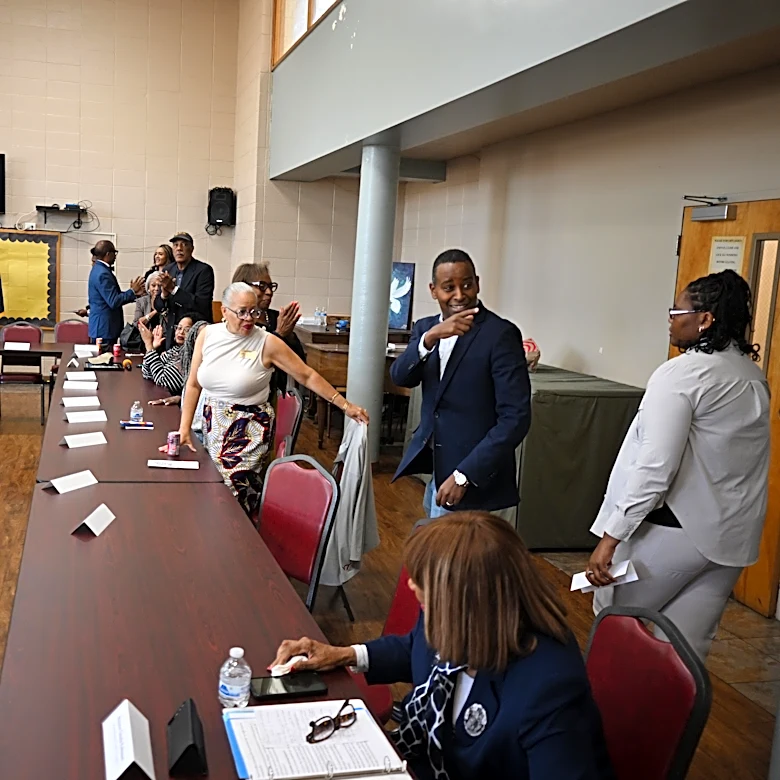
In mid-October, Gritz N’ Wafflez owner Jurni Rayne invited me to moderate a community discussion with Raman in Koreatown. When I asked how she will uplift restaurants, she emphasized the use of data, accountability, and transparency to restore trust. She also emphasized that the city must improve engagement with county entities, many of which oversee restaurant inspections and compliance.
“Over the course of this campaign, I’ve had the opportunity to sit down with people in the process of opening or operating in Los Angeles,” Raman said. “Some told me they would never open a restaurant in LA because of how hard the city makes it. There’s a huge lack of trust in City Hall. We want to make it easier for businesses to open and stay open.”
Disclosure: Mona Holmes moderated the panel at Gritz N’ Wafflez in October, but was not affiliated with the campaign or representing Eater.
More for the table:
- Ladyhawk and Laya chef Charbel Hayek is expanding to the Westside this month. He’ll debut Laya Cafe on November 20 in the former King and Queen Cantina in Santa Monica.
- Chinatown’s sandwich maker Frank & Frank’s is on the move. They’ll appear in Miami at Family Style Fest on December 5, and will debut a second location at the Shops at Santa Anita by the Christmas holidays.
- Eater LA contributor Bill Esparza wrote about Mariscos El Muelle 8 this week, one of my favorite mariscos spots in the region.