







Ine is Highland Park’s newest go-to for many different scenarios: a date night with hand rolls and sake, a quick meal of noodles or gyudon, or a group outing tasting through the menu’s different sections. Ine calls itself a Japanese bistro, although it,
in certain ways, also functions as a chic izakaya without the sprawling drinks menu. Many of the dishes are collaborations between chef-owner Sang Tae (Terry) Park and his team members, merging their collective experiences as seen through the lens of Japanese cuisine. Chef de cuisine Ethan Mai’s training in French cuisine from his time at Pasjoli comes through in many of the sauces, while others on the team contribute to dishes like genmai flan.
Park intended to keep the menu approachable while adding a refined touch. He uses ingredients that are affordable and multifaceted, like sea bream (kurodai), which makes multiple appearances on the menu, but that doesn’t mean you can’t splurge on Hokkaido uni and oysters with tarragon butter. Happily, nothing costs over $35.
What to order
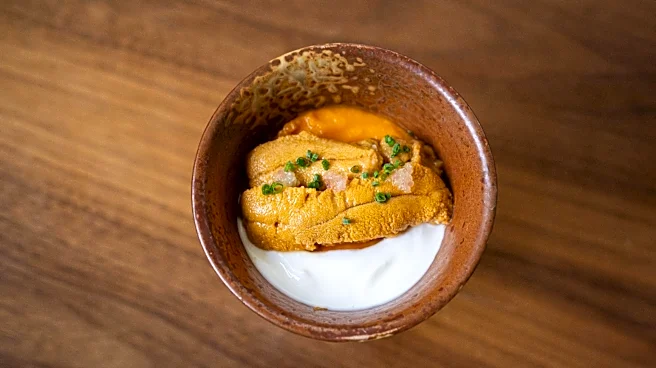
- The uni-crowned sweet potato puree is arguably Ine’s most popular appetizer: Park, an uni purist, took inspiration by an uni and corn dish he had in Tokyo. Dig deep into the bowl to get the crumbled biscuits that hide under the sweet, candy-like potato puree.
- Among the cold dishes, tuna with ajo blanco proves to be the most interesting. Tuna carpaccio gets served with a creamy ajo blanco made with almonds and silken tofu.
- Tuna and crispy rice is a combination that’s a dime a dozen, but Ine does it differently. Park doesn’t like the typical crispy rice texture because it can stick between the teeth; instead, he layers nori with a paste made from rice, which he then uses to form a cylinder that he deep fries and stuffs with rice and tuna. It’s a more delicate version of the classic starter that still gives a satisfying crunch.
- Grilled kurodai is a good example of Park’s vision for Ine: The fish gets preserved in the traditional Japanese way by aging it in salt, then cooked on a charcoal grill, but it’s served with a kombu beurre blanc influenced by chef Mai’s French training. The beurre blanc becomes even richer with umami flavors from the fish stock, bonito juice, and shio kombu powder.
- Ine’s noodles arrive in a light and comforting broth, made by simmering the bones of the sea bream for two hours. The thin noodles come topped with soy-braised tofu skin and fish balls, but I recommend also adding grilled sea bream.
- The koji mackerel entrée makes for a complete dinner. Marinated and grilled until the skin is crispy, the mackerel comes bedded with wild rice mixed with greens. A few leaves of lettuce give just contrast, cleansing your palate in between bites of the smoky fish.
- Try any of Ine’s hand rolls. The toro hand roll, served with yuzu mustard, capers, chives, and scallions, emulates the flavors of an Italian cold cut sandwich.
The vibe
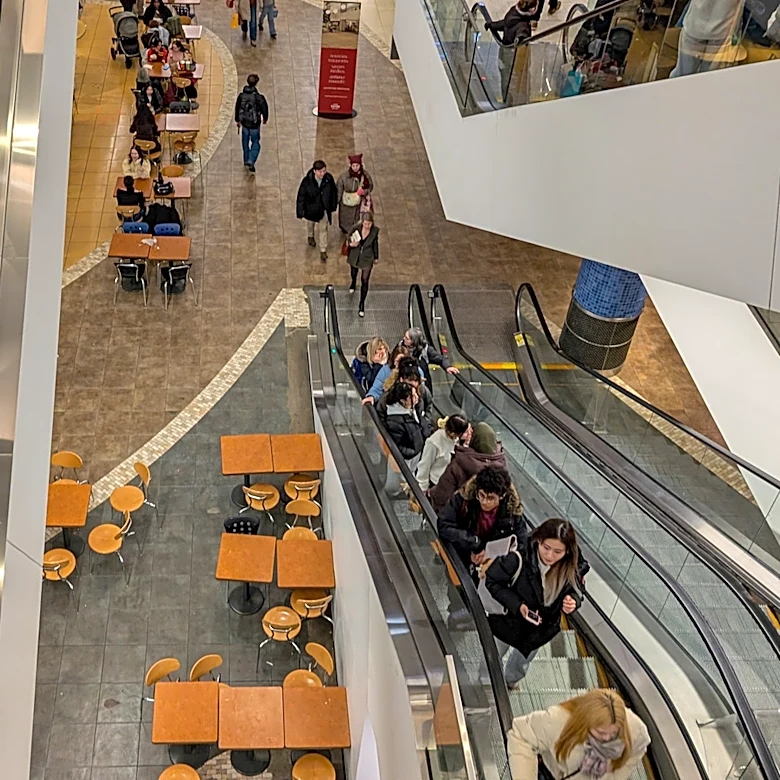
The dining room feels intimate and homey with wooden tables and dark green booths; an eight-seat counter wraps around the open kitchen. On the wall are vintage paintings like you might find in your Japanese grandmother’s living room, as well as potted plants and black-and-white photographs. Scenery from the cities that inspired chef Park are projected near the entrance.
Insider tip
In addition to the core menu, diners can order from a separate seasonal menu featuring a couple of special dishes (this past summer, they served cold noodles with tomatoes and dashi tsuyu). The restaurant doesn’t normally have any tables larger than a four-top, so call them and make special arrangements for larger groups.